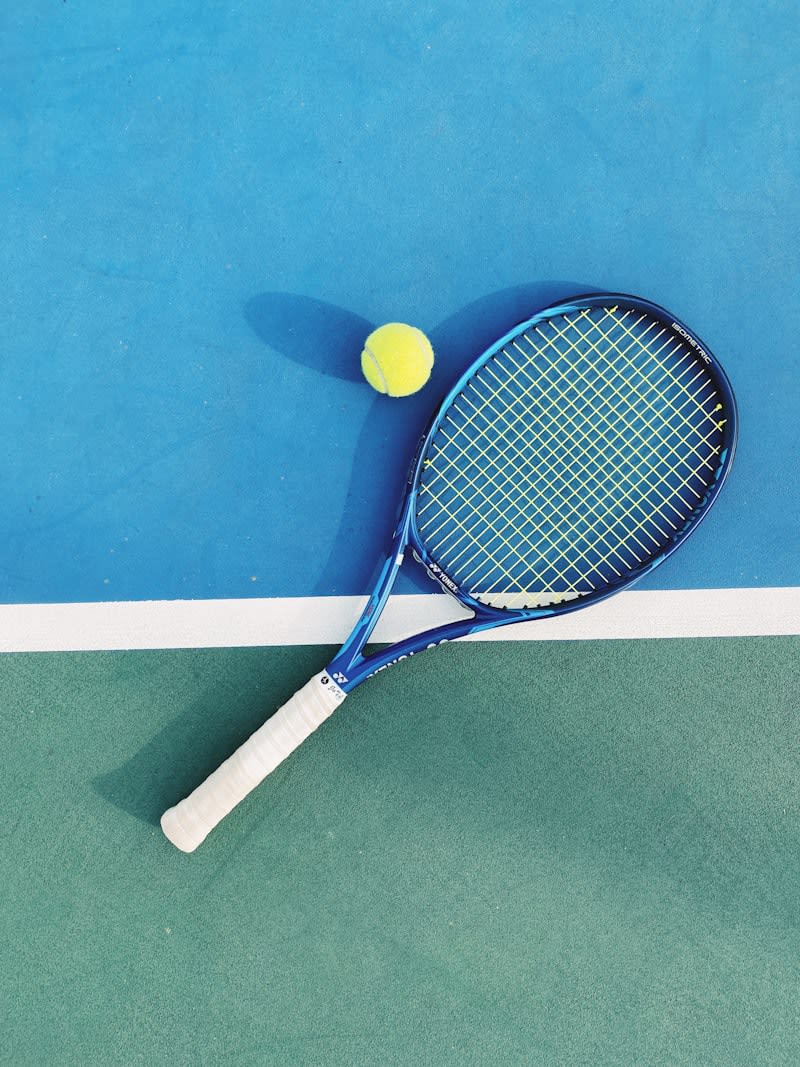
The Clay Court Gamble
Tennis is a sport of adaptation, and the Linz Open is testing that theory in the most fundamental way. Moving from traditional indoor hardcourts to indoor clay marks a radical departure for this event. For players like Mirra Andreeva, coming off the momentum of her 2026 Adelaide International title, this surface pivot isn't just a scheduling quirk—it’s a tactical reset.
Listen to the Second Serve Podcast
Get our daily AI-synthesized audio briefings and match reviews on the go.
Andreeva enters the draw as the top seed, a position that carries its own psychological burden. With Emma Raducanu officially withdrawing, the field opens up for the rising guard. Alexandra Eala’s inclusion as a wildcard adds a layer of intrigue, forcing the draw to accommodate a younger, hungry demographic that thrives when the ball slows down and the margins for error tighten.
The Tactical Breakdown
Transitioning to indoor clay changes the geometry of every rally. On a hardcourt, pace is your best friend. On this indoor clay, it becomes a liability if your rally tolerance isn't clinical. Andreeva’s game is built on patience and finding the right moment to pivot from defensive scramble to offensive strike. She doesn't just hit; she constructs.
- Rally Tolerance: The surface shift favors players who can sustain depth without rushing the transition to the net.
- Surface Geometry: Expect shorter, higher-bouncing trajectories that force opponents to strike the ball above their waist, neutralizing heavy hitters who prefer a lower, predictable strike zone.
- Serve Placement: The clay surface provides more friction; kick serves will jump significantly more than on the previous hardcourt layout, making high-bouncing wide serves the primary weapon for pulling opponents out of the court.
The Bigger Picture
The absence of Raducanu shifts the narrative toward the next generation of WTA talent. We are witnessing a clear movement where young players are being given every opportunity to assert themselves through the wildcard system. For Andreeva, this is a chance to prove that her Adelaide form wasn't a flash in the pan but the beginning of a sustained ascent.
Historically, surface changes mid-season are the ultimate litmus test for a player's technical foundation. Those who rely solely on court speed will struggle here; those who understand the nuance of slide, spin, and depth will thrive. As the tour leans further into these surface-specific challenges, the players who show the highest adaptability—like those currently taking their spots in Linz—are the ones who will define the coming seasons.
What Aryna Sabalenka Plays With
Wilson Blade 98 v9 (16x19)
Luxilon ALU Power 125
Wilson Pro Overgrip (12-Pack)
Analyze Mirra Andreeva vs. Alexandra Eala
Predict tactical adjustments, momentum swings, and serve strategy options for this match-up using our AI simulator.
The Aces Tactical Panel
This report was curated and edited by Bhaskar Goel. Tactical analysis and technical insights were provided by our specialized panel of expert correspondents.
Julian Price
Senior Tactical Correspondent
Stuffy, pedantic British academic and historian specializing in match momentum and historical context.
Elena Cruz
Director of Analytical Research
Data scientist specializing in court surface physics and movement patterns.
Bhaskar
The Editor & Fan
Passionate tennis player and site editor bringing everyday amateur insights and relatable fan commentary.
Arthur Vance
Senior Existential Analyst
Deep, eccentric, and DFW-inspired. Models court metaphysics, kinetic beauty, and player psychology.
Leo Sterling
High-Performance Consultant
Hard-nosed ex-trainer from Melbourne with a no-nonsense view on tour fitness.