By Elena Cruz
Listen to the Second Serve Podcast
Get our daily AI-synthesized audio briefings and match reviews on the go.
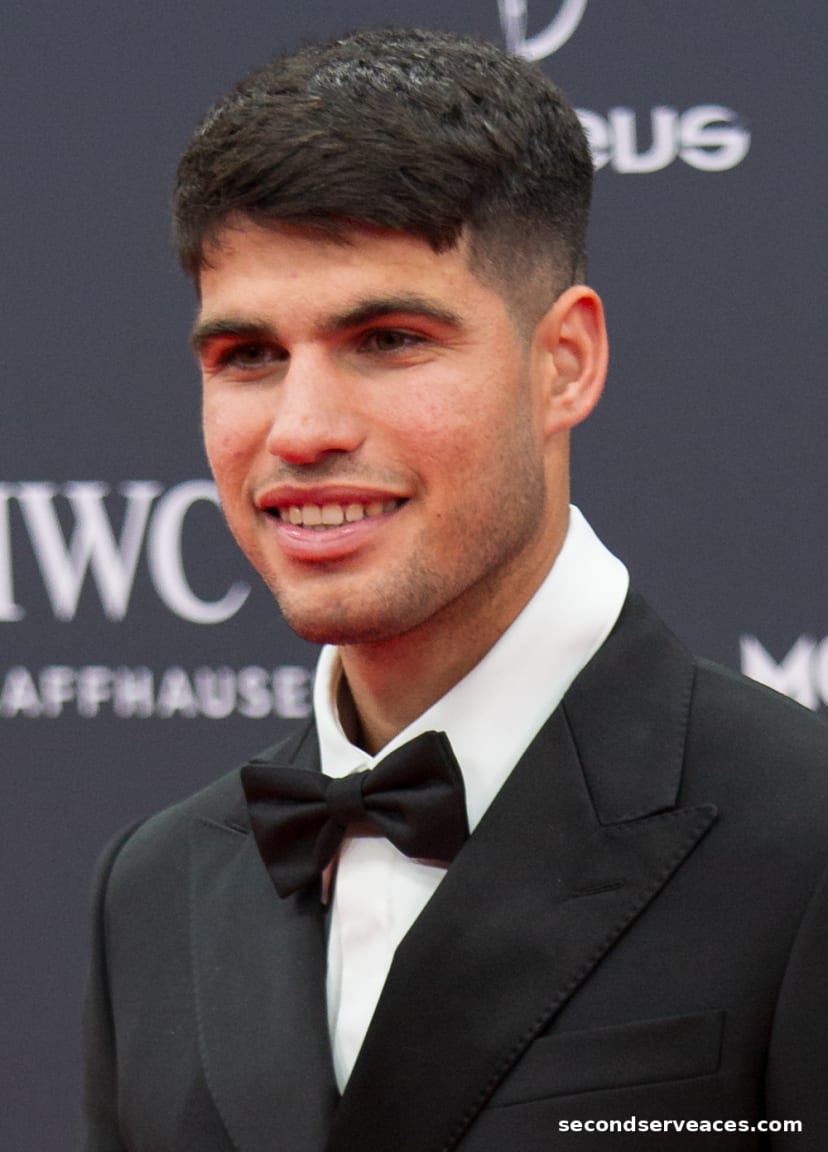
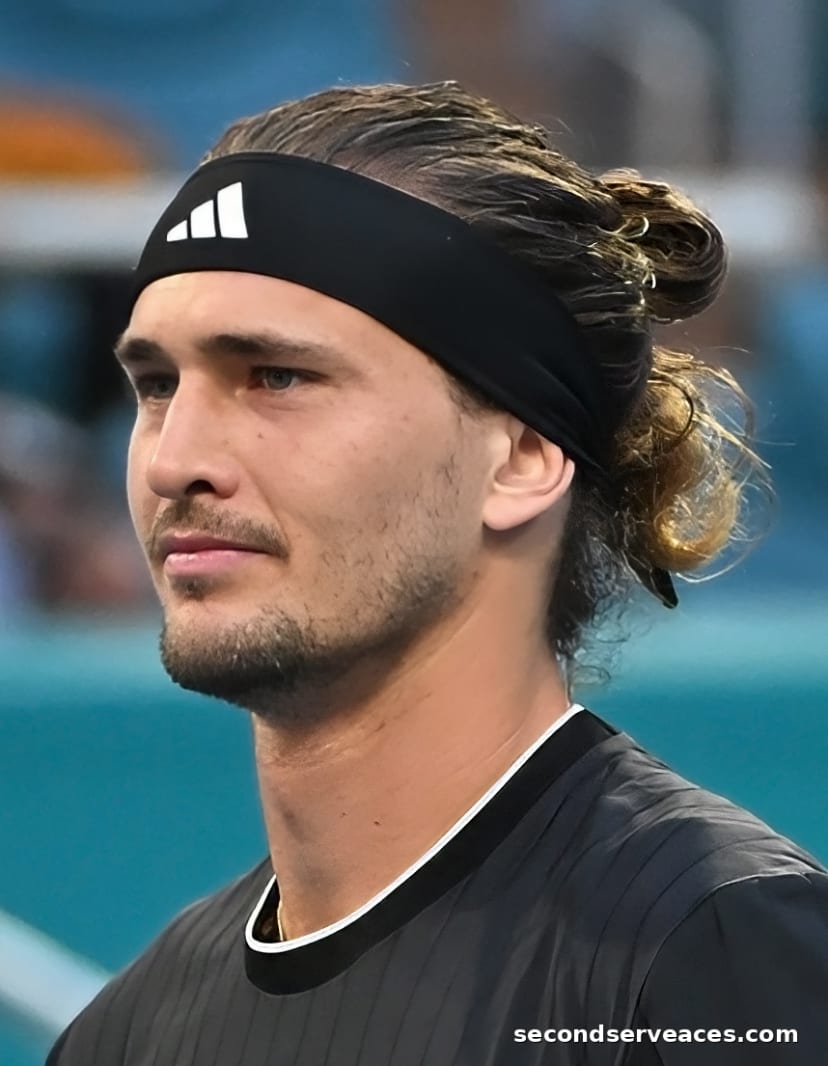
There is a specific kind of silence that falls over a tennis stadium when the seemingly invincible suddenly looks incredibly mortal. We felt it sweeping across the Coachella Valley as Daniil Medvedev dismantled Carlos Alcaraz to advance to the Indian Wells final. With a 6-3, 7-6(3) straight-sets victory, the rangy baseline maestro did what the rest of the ATP locker room has found utterly impossible so far this year: he beat the young Spaniard.
This wasn't just another win on the ATP Tour. This victory ended Carlos Alcaraz's staggering 16-match unbeaten run. Coming into the desert, Alcaraz was the undisputed alpha of the season, a locomotive of heavy spin and explosive movement. Medvedev, however, became the very first player to defeat Alcaraz this season, fundamentally rewriting the script of what many assumed would be a coronation in Tennis Paradise.
When you witness a match score of 6-3, 7-6(3) against a streaking world-beater, you aren't just looking at a good day at the office. You are looking at a tactical execution of the highest order. Let's pop the hood and look at exactly how Medvedev turned the desert courts into his own personal chessboard.
The Tactical Breakdown
If you've spent any time studying the friction of the Indian Wells surface, you know it is a hard court that secretly dreams of being a clay court. The gritty Plexipave grips the ball, allowing heavy topspin to kick up violently. Historically, this heavily favors Alcaraz, whose forehand RPMs routinely push opponents into the back fence.
But how do you push back a player who already volunteers to stand at the back fence?
Medvedev's signature ultra-deep return position is often mocked as geographically absurd, but against Alcaraz, it is a mathematical necessity. By standing nearly in the front row of the grandstands to receive, Medvedev gives himself the gift of time. He allowed Alcaraz's massive kick serves to lose their venom, dropping perfectly into his strike zone by the time the ball reached him. From there, Medvedev deployed his distinct, flat groundstrokes.
Here are the core pillars of how Medvedev executed this masterclass:
- Absorbing Pace over Generating It: Alcaraz relies on overpowering his opponents, rushing their footwork and forcing errors. Medvedev, wielding his racket like a backboard, absorbed the Spaniard's heaviest blows, hitting flat, skidding balls that stayed below Alcaraz's preferred strike zone.
- Neutralizing the Drop Shot: Alcaraz's favorite play to disrupt a deep baseliner is the drop shot. However, Medvedev's anticipation and long, loping strides allowed him to cover the front of the court far better than his positioning would suggest. The threat of the drop shot didn't induce panic; Medvedev simply used it as an invitation to engage at the net.
- Serving Through the Sandpaper: On a slow hard court, free points are a luxury. While Alcaraz tried to construct elaborate points, Medvedev utilized his sheer height and flat serve trajectory to cut through the heavy desert air, finding cheap points when match momentum threatened to swing.
- Rally Tolerance Under Pressure: Facing a break point against Alcaraz usually induces a heart-rate spike in mere mortals. Medvedev's ability to lock down, refuse to miss, and extend rallies past the eight-shot mark forced Alcaraz to pull the trigger prematurely, resulting in uncharacteristic bail-out shots.
Alcaraz's game is built around overwhelming rotational force and aggressive court positioning. Medvedev's game is built entirely on suffocating geometry. He doesn't necessarily hit you off the court; he just makes the court feel impossibly small for his opponent, and incredibly large for himself. In this tactical chess match, the octopus suffocated the matador.
The Bigger Picture
To fully appreciate the gravity of snapping a 16-match unbeaten streak, we have to look at the historical context of dominance in our sport. Martina Navratilova, who famously holds the absolute gold standard for unbroken dominance with her 74-match win streak in 1984, always understood that breaking an elite player's rhythm requires a fundamental disruption of their expectations. You don't beat a streaking player by playing their game slightly better than them; you beat them by forcing them to play yours.
That is exactly the tactical heritage Medvedev tapped into here. Navratilova used relentless serve-and-volley tactics to deny baseliners rhythm; Medvedev uses relentless depth and flat trajectories to deny aggressive shot-makers their preferred strike zones. It is the exact same philosophy of disruption, just applied from opposite ends of the court.
For Alcaraz, this loss is a crucial learning moment. A 16-match winning streak to start a season is a monumental physical and mental load. Being the hunted week in and week out requires an emotional output that is difficult to sustain, especially on the grueling ATP hard-court swing. This defeat provides him a momentary exhale—a chance to reset the odometer before the tour shifts to the faster, more humid conditions of Miami.
For Daniil Medvedev, advancing to the Indian Wells final with this specific victory is a thunderous statement of intent. The narrative surrounding the top of the men's game has been heavily focused on the youth movement, but Medvedev has forcefully reminded everyone that he remains the premier hard-court tactician on the planet. He proved that when the conditions are slow and the opponent is red-hot, he possesses the intellect, the unorthodox strokes, and the sheer will to dismantle the best laid plans on the ATP Tour.
Medvedev didn't just win a tennis match; he solved a puzzle no one else had an answer for all season. Now, the final awaits.
What Daniil Medvedev Plays With
Tecnifibre T-Fight 305 Isoflex
Tecnifibre Razor Soft
Analyze Martina Navratilova vs. Daniil Medvedev
Predict tactical adjustments, momentum swings, and serve strategy options for this match-up using our AI simulator.
The Aces Tactical Panel
This report was curated and edited by Bhaskar Goel. Tactical analysis and technical insights were provided by our specialized panel of expert correspondents.
Julian Price
Senior Tactical Correspondent
Stuffy, pedantic British academic and historian specializing in match momentum and historical context.
Elena Cruz
Director of Analytical Research
Data scientist specializing in court surface physics and movement patterns.
Bhaskar
The Editor & Fan
Passionate tennis player and site editor bringing everyday amateur insights and relatable fan commentary.
Arthur Vance
Senior Existential Analyst
Deep, eccentric, and DFW-inspired. Models court metaphysics, kinetic beauty, and player psychology.
Leo Sterling
High-Performance Consultant
Hard-nosed ex-trainer from Melbourne with a no-nonsense view on tour fitness.