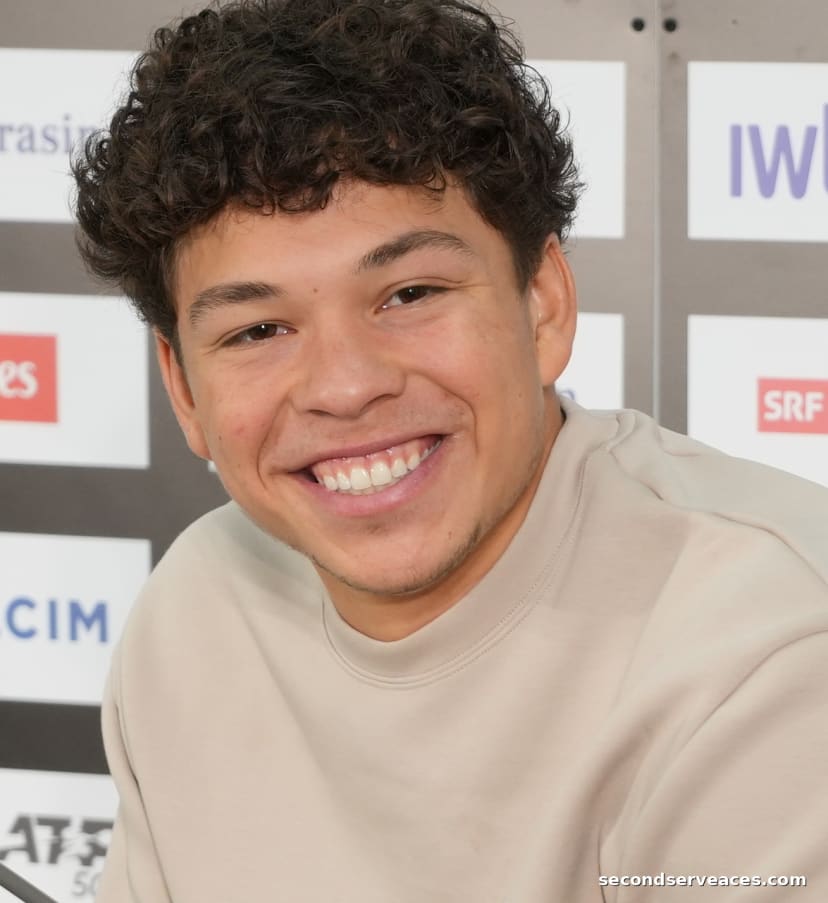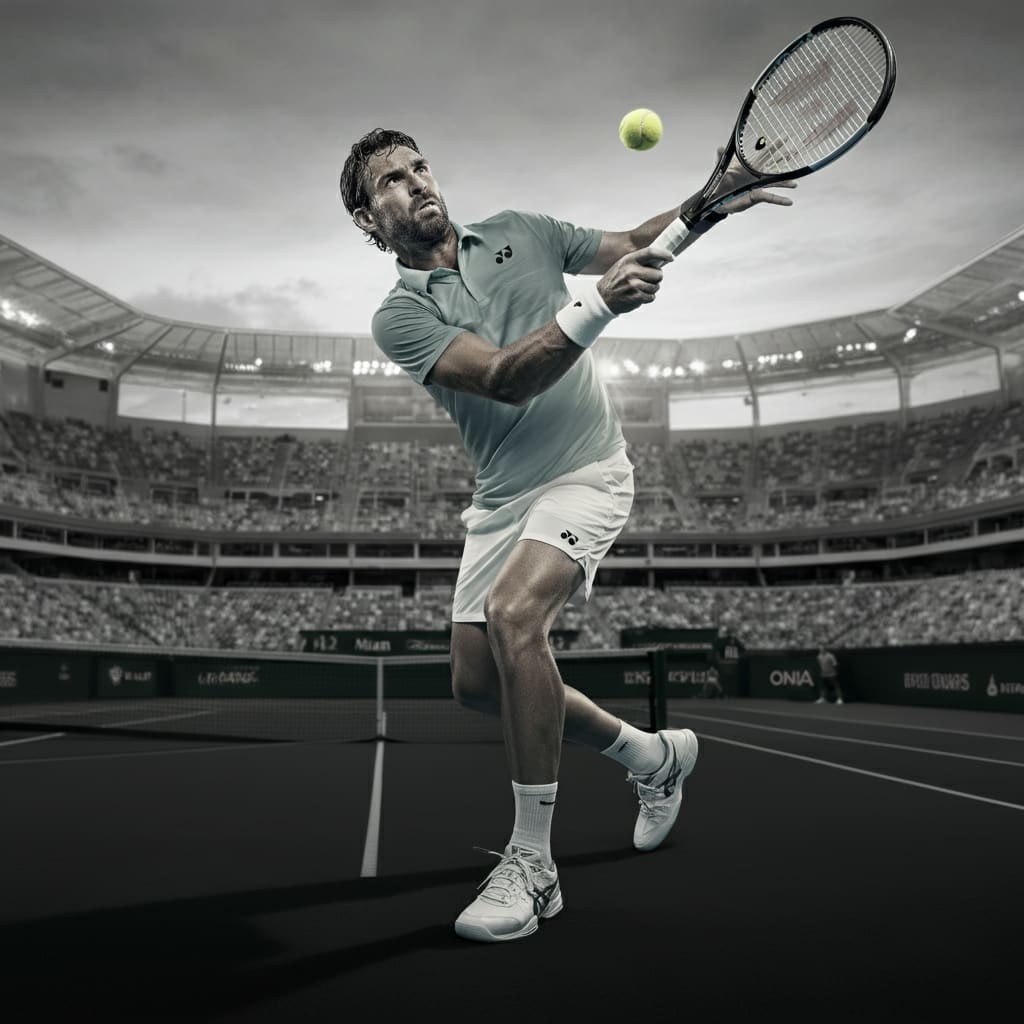
The Miami sun strips away illusions. Out on the hard courts, where the humidity clings to the lungs and the bounce demands explosive legs, Father Time usually claims victory over aging veterans. But not today. At 37 years old, Marin Cilic orchestrated a gritty, three-set resurrection against 27th seed Brandon Nakashima at the 2026 Miami Open. Dropping the opening set could have been the final chapter for the Croatian on this sweltering afternoon. Instead, he dug his heels into the baseline and forced a deciding set, following up his opening-round victory over Alexei Popyrin with a performance built entirely on sheer will and tactical clarity.
Listen to the Second Serve Podcast
Get our daily AI-synthesized audio briefings and match reviews on the go.
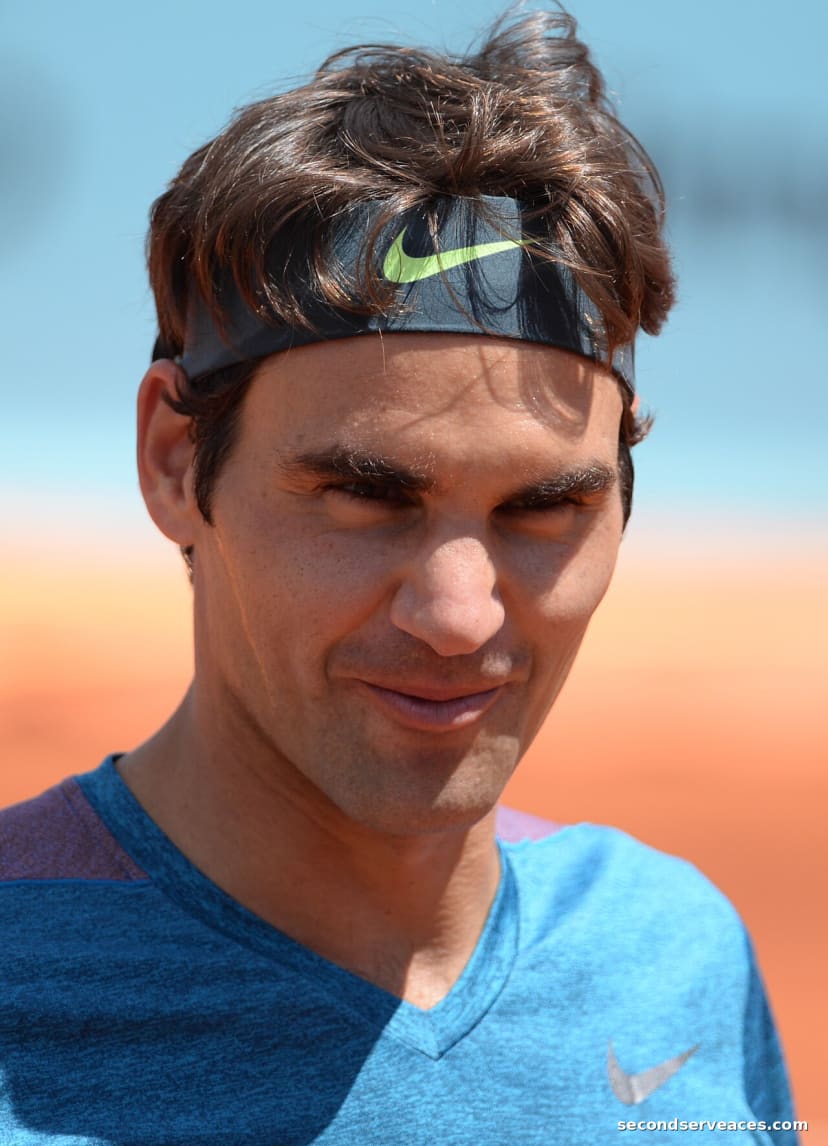
The record books require a heavy toll for entry, and Cilic paid it in full. By outlasting Nakashima, he became only the fourth player aged 37 or older to successfully mount a comeback victory at this unforgiving event. The men sharing this distinct honor? Roger Federer, Jimmy Connors, and Gael Monfils. These are competitors who understood intimately that a sharp mind can often drag an exhausted body across the finish line when the physical tank is running empty.
The Tactical Breakdown
To unseat a sturdy, relentless baseliner like Nakashima, Cilic had to confront his own physical limitations. The 24-year-old American thrives in the trenches, absorbing pace and redirecting the ball with mechanical precision. Prolonged rallies were a death sentence for the Croatian veteran. Consequently, Cilic had to redline his primary weapons: the booming first serve and the heavy, flat forehand.
We know the Cilic blueprint intimately. When his ball toss is consistent, his flat, penetrating groundstrokes dictate the geometry of the court. By aggressively stepping inside the baseline on Nakashima’s second serves, Cilic successfully shortened the points. He likely utilized his signature wide slider on the deuce court to drag the younger American out of position, deliberately opening the opposite flank for a clean winner. It was a high-wire act of risk management—knowing when to pull the trigger early in the rally rather than allowing Nakashima to dictate the tempo from the center of the court.
The Bigger Picture
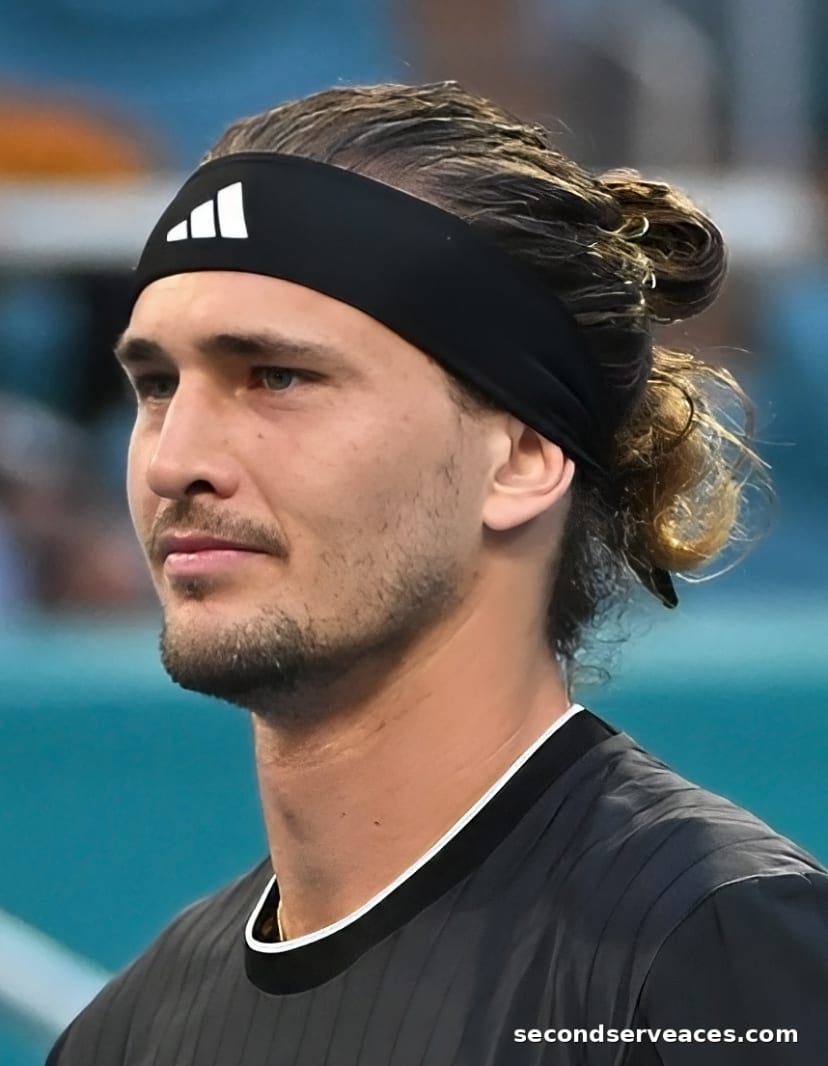
Surviving the second round is merely the appetizer in the crucible of a Masters 1000 event. Looming in the third round is Alexander Zverev. The history between these two is an open book of frustration for Cilic; he has not registered a victory against the imposing German since Washington in 2015. Over a decade of scar tissue resides in this matchup.
Zverev’s capacity to anchor himself deep behind the baseline and loop heavy topspin fundamentally neutralizes the flat strikes that Cilic prefers. Furthermore, Zverev's towering first serve creates a defensive nightmare. For Cilic, this upcoming clash represents the ultimate fitness test. Ten years ago, he possessed the fast-twitch muscle fibers to grind through those elongated, heavy-hitting exchanges. Now, he must rely entirely on first-strike tennis and aggressive net approaches to disrupt Zverev’s formidable rhythm. Regardless of the outcome against the top tier, this Miami run underscores the enduring stubbornness of a former Grand Slam champion refusing to quietly exit the stage.
What Alexander Zverev Plays With
Head Gravity Pro
Head Hawk Touch 1.25
Head Prime Tour (12-Pack)
Analyze Marin Cilic vs. Roger Federer
Predict tactical adjustments, momentum swings, and serve strategy options for this match-up using our AI simulator.
The Aces Tactical Panel
This report was curated and edited by Bhaskar Goel. Tactical analysis and technical insights were provided by our specialized panel of expert correspondents.
Julian Price
Senior Tactical Correspondent
Stuffy, pedantic British academic and historian specializing in match momentum and historical context.
Elena Cruz
Director of Analytical Research
Data scientist specializing in court surface physics and movement patterns.
Bhaskar
The Editor & Fan
Passionate tennis player and site editor bringing everyday amateur insights and relatable fan commentary.
Arthur Vance
Senior Existential Analyst
Deep, eccentric, and DFW-inspired. Models court metaphysics, kinetic beauty, and player psychology.
Leo Sterling
High-Performance Consultant
Hard-nosed ex-trainer from Melbourne with a no-nonsense view on tour fitness.