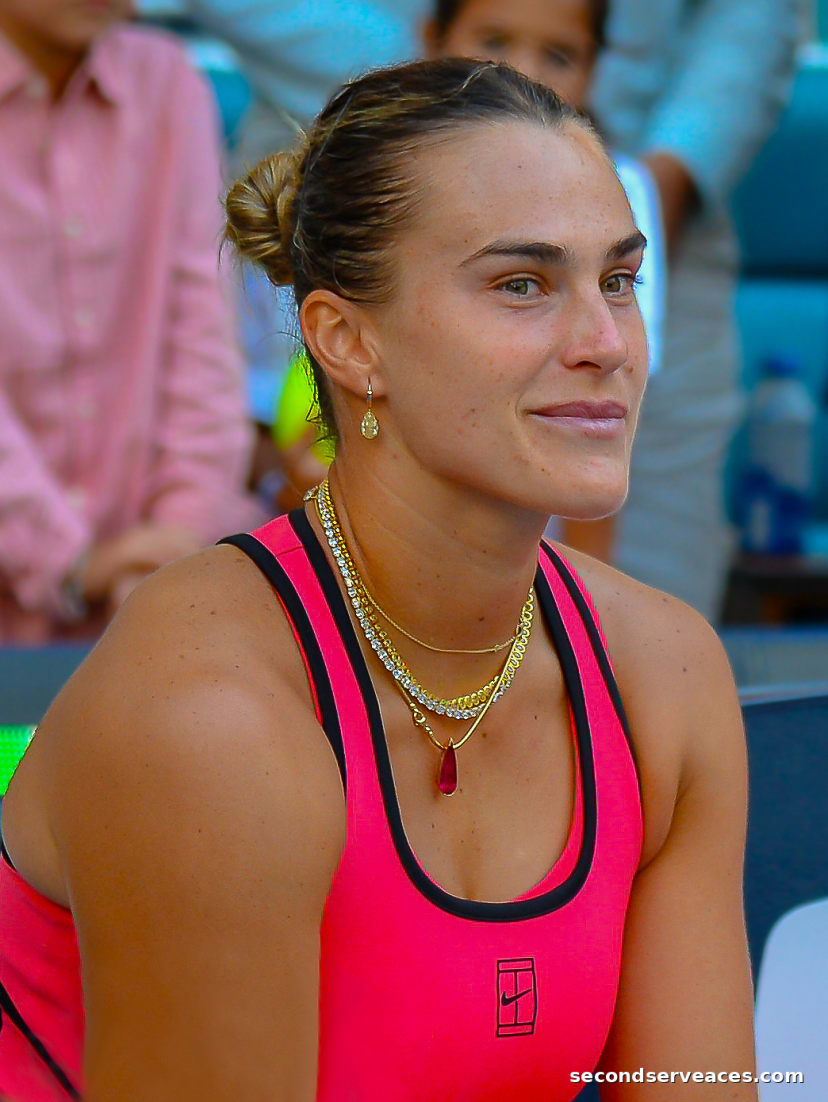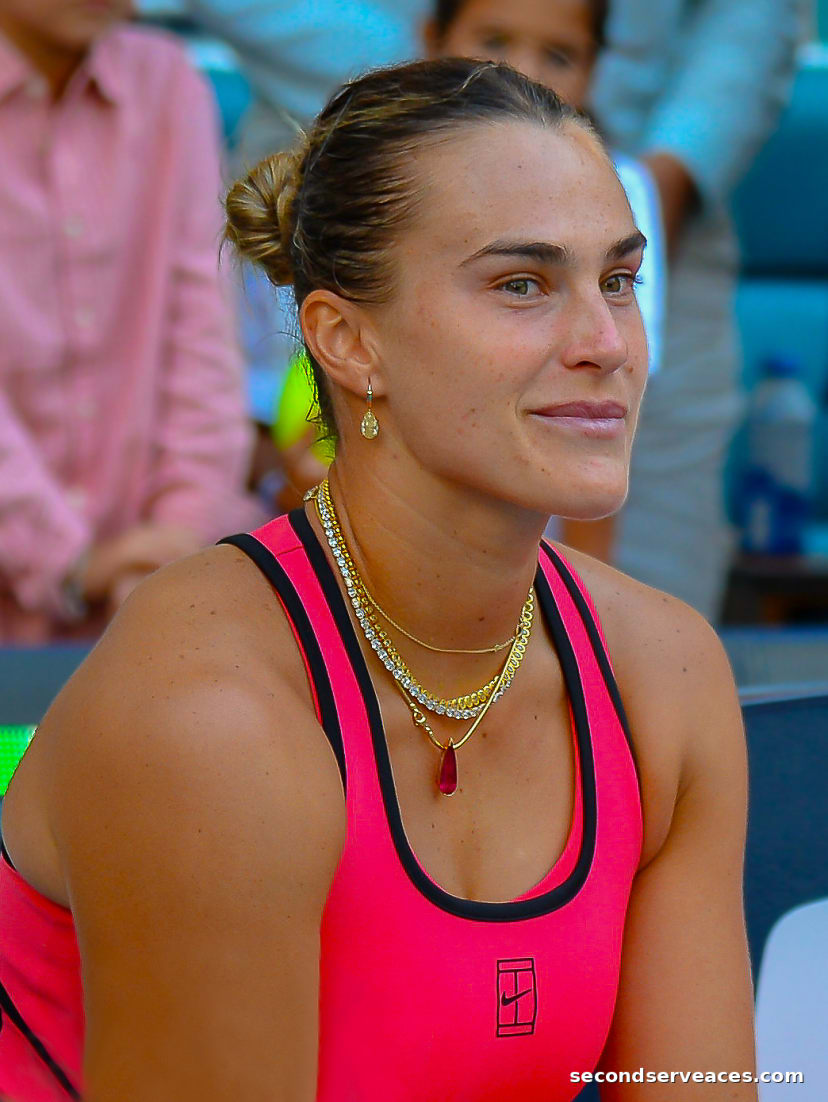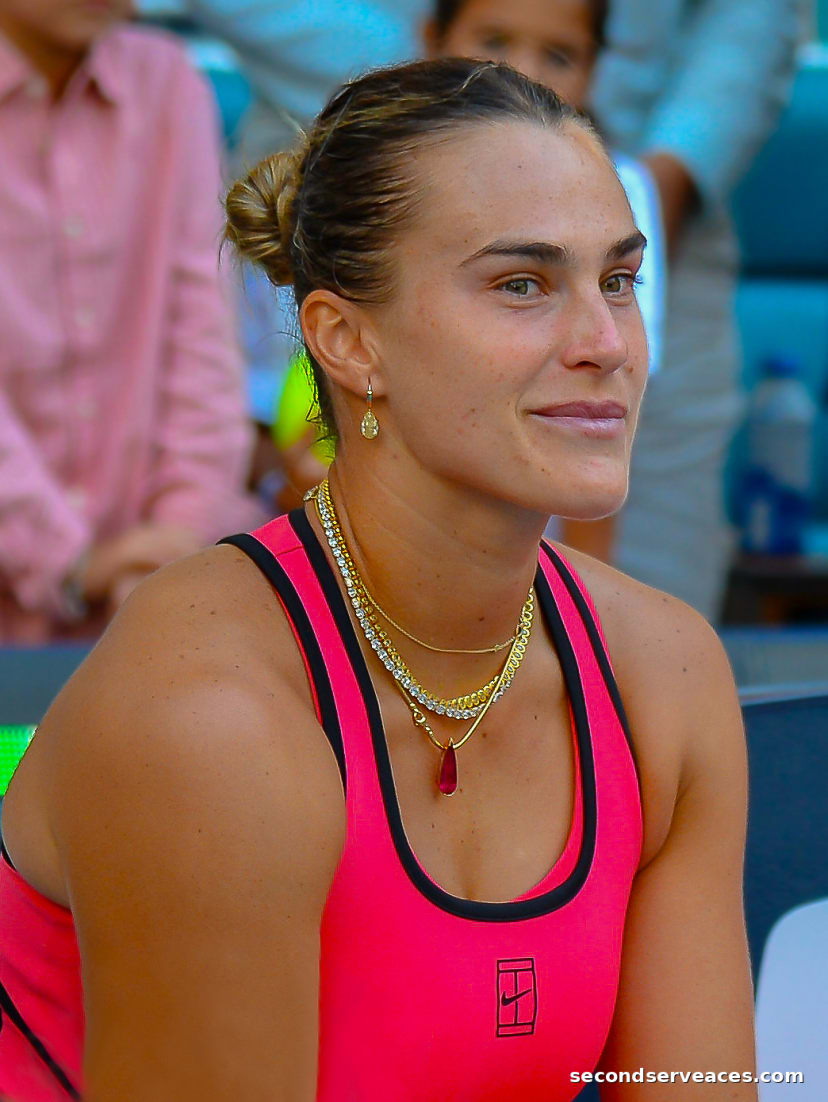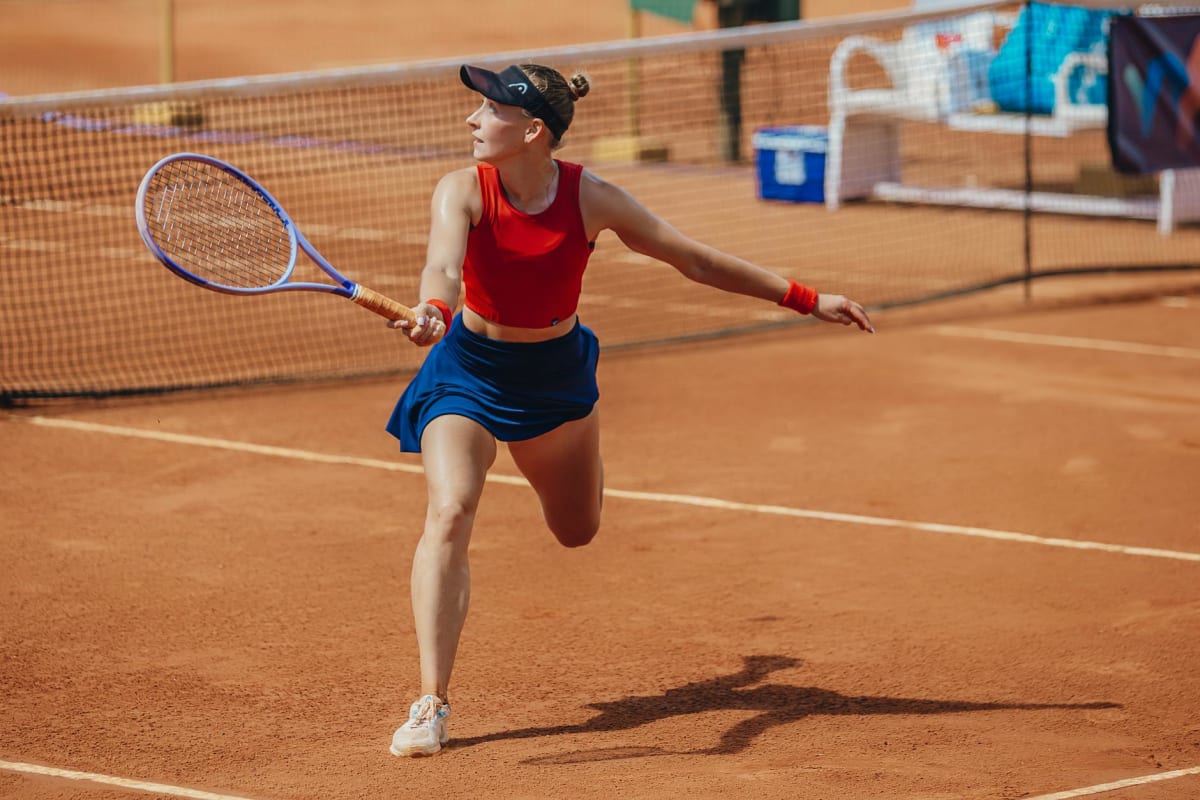
In the quiet, red-clay corridors of the Italian Open, the kinetic energy of the game is currently being eclipsed by a quiet, persistent tremor regarding the structural mechanics of our sport. Madison Keys, having advanced past her initial hurdle at the Foro Italico, has stepped forward to affirm her support for a nascent movement proposing a potential Grand Slam boycott. It is a proposition that forces us to reconcile the aesthetic beauty of a topspin-heavy forehand with the colder, more opaque realities of professional tour economics.
Listen to the Second Serve Podcast
Get our daily AI-synthesized audio briefings and match reviews on the go.
The Fiscal Anatomy of the Majors
At the center of this dialogue is a numerical discrepancy that has long lingered in the background of elite tennis. Data from the WTA and broader industry analysts suggests that the concentration of wealth—or rather, the allocation of it—remains a sticking point for those operating outside the gilded inner circle. Specifically, reports from the Tennis Channel indicate that Roland Garros currently allocates only 14.9% of its total revenue to the prize fund, a figure that serves as the primary catalyst for the current wave of player-led administrative inquiry.
The argument being advanced by players like Keys is not merely about the individual wealth of the top-flight competitors. It is an argument regarding the sustainability of the rank-and-file. For a player ranked outside the top 50, the math of professional tennis—the travel, the coaching staff, the physiological maintenance—often operates on a razor-thin margin. The assertion here is that the four Majors, as the primary revenue generators of the WTA Tour and the ATP Tour, possess a fiduciary responsibility to stabilize the base of the professional pyramid.
This creates a friction between the legacy of the sport and its future architecture. When a professional athlete of Keys' stature discusses a boycott, they are not speaking of a simple work stoppage; they are discussing a systemic recalibration of how the sport values the labor of those who facilitate the spectacle. The physics of the match, the gravity-defying serves and the grueling rallies, only exist because of a ecosystem that is currently being scrutinized by the very people who produce the highlights.
Divergent Philosophies Within the Locker Room
However, uniformity is rarely found in the locker room. While the dialogue regarding revenue sharing is gaining momentum, the tactical approach to reform remains fractured. Emma Raducanu, an athlete who understands the commercial pressures of the tour perhaps better than most, has openly stated she would not join a Grand Slam boycott. This creates a fascinating ideological tension: one group views collective action as the only leverage against established institutional inertia, while others appear to favor a more incrementalist approach to policy adjustment.
It is worth noting that this environment of administrative flux coincides with dramatic athletic shifts on the court. During the same period in Rome, the competitive hierarchy was further destabilized when Dino Prizmic achieved a significant victory over Novak Djokovic. Such an event serves as a stark reminder that while the politics of the boardroom occupy the current discourse, the sheer unpredictability of the sport on clay remains the ultimate arbiter of value.
The path forward for the sport remains unclear. Whether the leverage of the players can successfully alter the revenue distribution models at the Grand Slams is a question of political capital, not just tennis skill. Yet, for the first time in years, the conversation has moved from the peripheral backrooms to the center of the press room, with Madison Keys acting as a clear, articulate advocate for a more equitable redistribution of the sport's massive fiscal bounty.
What Aryna Sabalenka Plays With
Wilson Blade 98 v9 (16x19)
Luxilon ALU Power 125
Wilson Pro Overgrip (12-Pack)
Analyze Madison Keys vs. Aryna Sabalenka
Predict tactical adjustments, momentum swings, and serve strategy options for this match-up using our AI simulator.
The Aces Tactical Panel
This report was curated and edited by Bhaskar Goel. Tactical analysis and technical insights were provided by our specialized panel of expert correspondents.
Julian Price
Senior Tactical Correspondent
Stuffy, pedantic British academic and historian specializing in match momentum and historical context.
Elena Cruz
Director of Analytical Research
Data scientist specializing in court surface physics and movement patterns.
Bhaskar
The Editor & Fan
Passionate tennis player and site editor bringing everyday amateur insights and relatable fan commentary.
Arthur Vance
Senior Existential Analyst
Deep, eccentric, and DFW-inspired. Models court metaphysics, kinetic beauty, and player psychology.
Leo Sterling
High-Performance Consultant
Hard-nosed ex-trainer from Melbourne with a no-nonsense view on tour fitness.