The Charleston Hustle
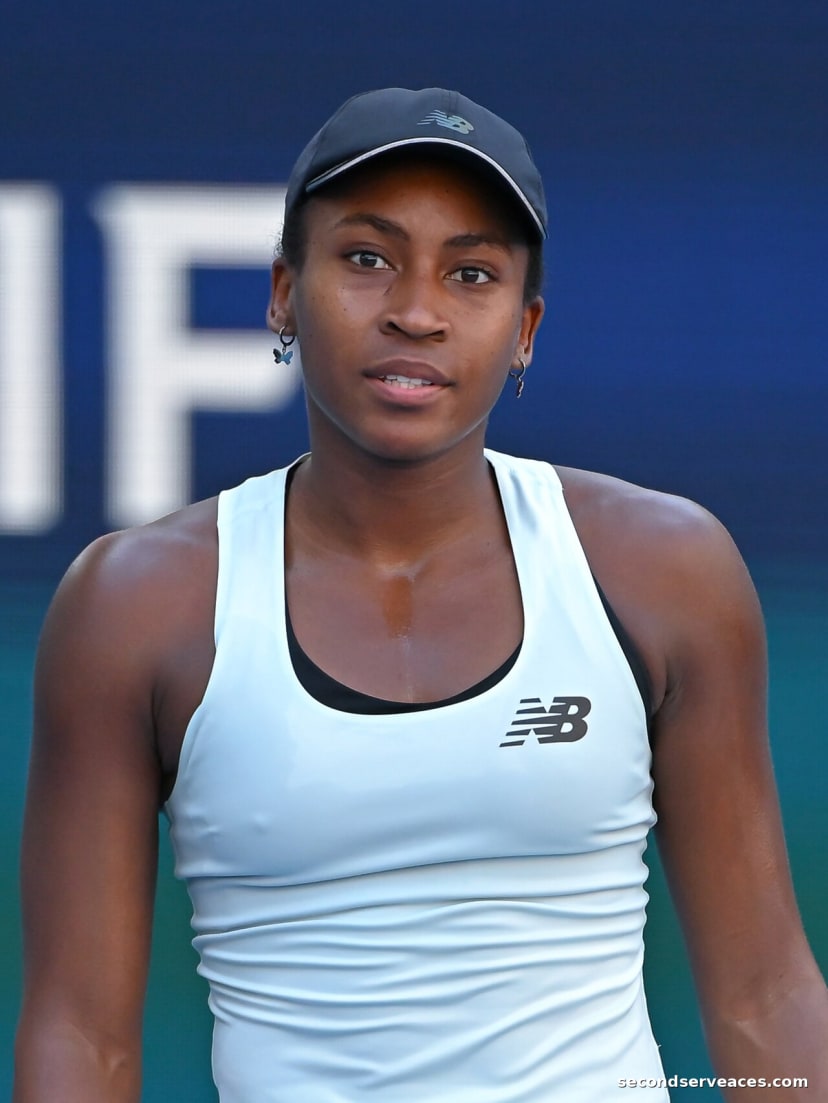
Listen, you don't win the Australian Open—like Madison Keys just did by steamrolling Aryna Sabalenka in the final—without having a clear head. She’s currently charging through the Charleston Open, hitting the semi-finals with that massive forehand of hers. People keep talking about the trophy cabinet, but I’m looking at the person. Keys is playing with a level of focus that is rare in this game, and she’s already got her eyes on the next set of lines, specifically the ones in a radio booth.
Listen to the Second Serve Podcast
Get our daily AI-synthesized audio briefings and match reviews on the go.
She’s been spending her downtime recording a podcast, and frankly, it’s a brilliant move. Most players are too terrified to think about the day they hang up the racquets, but Keys is actively building a future in punditry. It’s exactly the kind of intellectual curiosity the sport needs.
The Tactical Breakdown
When you watch Keys on a surface like clay, you’re seeing someone who understands geometry. Her game isn't just about raw power; it’s about shortening the court. On the red dirt, where the ball sits up a bit more, her ability to redirect pace becomes lethal. She thrives when she can take the ball on the rise, forcing opponents to defend from behind the baseline before they can even set their feet.
- Baseline Aggression: She prioritizes the 'first strike' off the serve and the return. If the serve isn't an ace, the return is usually a heavy, deep ball that dictates the rally immediately.
- Court Coverage: On clay, she’s become more adept at sliding into her defensive forehand, a necessary evolution to compete against the top-tier movers like Jessica Pegula, with whom she currently holds a two-all head-to-head record.
- Rally Tolerance: It’s not just 'hit it hard and hope.' Keys is choosing her moments to pull the trigger, maintaining a higher rally tolerance than we’ve seen in years past.
The Bigger Picture
The transition from Grand Slam champion to tour veteran is never smooth, but Keys is navigating it with grace. Her upcoming match against Yuliia Starodubtseva in Charleston is the perfect litmus test for this post-Melbourne momentum. She isn't just playing for ranking points anymore; she’s playing with the confidence of someone who has already reached the summit.
Looking at the broader landscape, the women's tour is currently in a fascinating state of flux. Players like Mirra Andreeva, Iva Jovic, and Alexandra Eala are snapping at the heels of the established guard. Keys, alongside contemporaries like Coco Gauff and the ever-steady Pegula, represents a bridge between eras. If she carries her Australian Open form into the rest of the season, we aren’t just looking at a run in Charleston; we’re looking at a serious contender for the remainder of the WTA calendar.
What Aryna Sabalenka Plays With
Wilson Blade 98 v9 (16x19)
Luxilon ALU Power 125
Wilson Pro Overgrip (12-Pack)
Analyze Madison Keys vs. Aryna Sabalenka
Predict tactical adjustments, momentum swings, and serve strategy options for this match-up using our AI simulator.
The Aces Tactical Panel
This report was curated and edited by Bhaskar Goel. Tactical analysis and technical insights were provided by our specialized panel of expert correspondents.
Julian Price
Senior Tactical Correspondent
Stuffy, pedantic British academic and historian specializing in match momentum and historical context.
Elena Cruz
Director of Analytical Research
Data scientist specializing in court surface physics and movement patterns.
Bhaskar
The Editor & Fan
Passionate tennis player and site editor bringing everyday amateur insights and relatable fan commentary.
Arthur Vance
Senior Existential Analyst
Deep, eccentric, and DFW-inspired. Models court metaphysics, kinetic beauty, and player psychology.
Leo Sterling
High-Performance Consultant
Hard-nosed ex-trainer from Melbourne with a no-nonsense view on tour fitness.