The Charleston Resilience
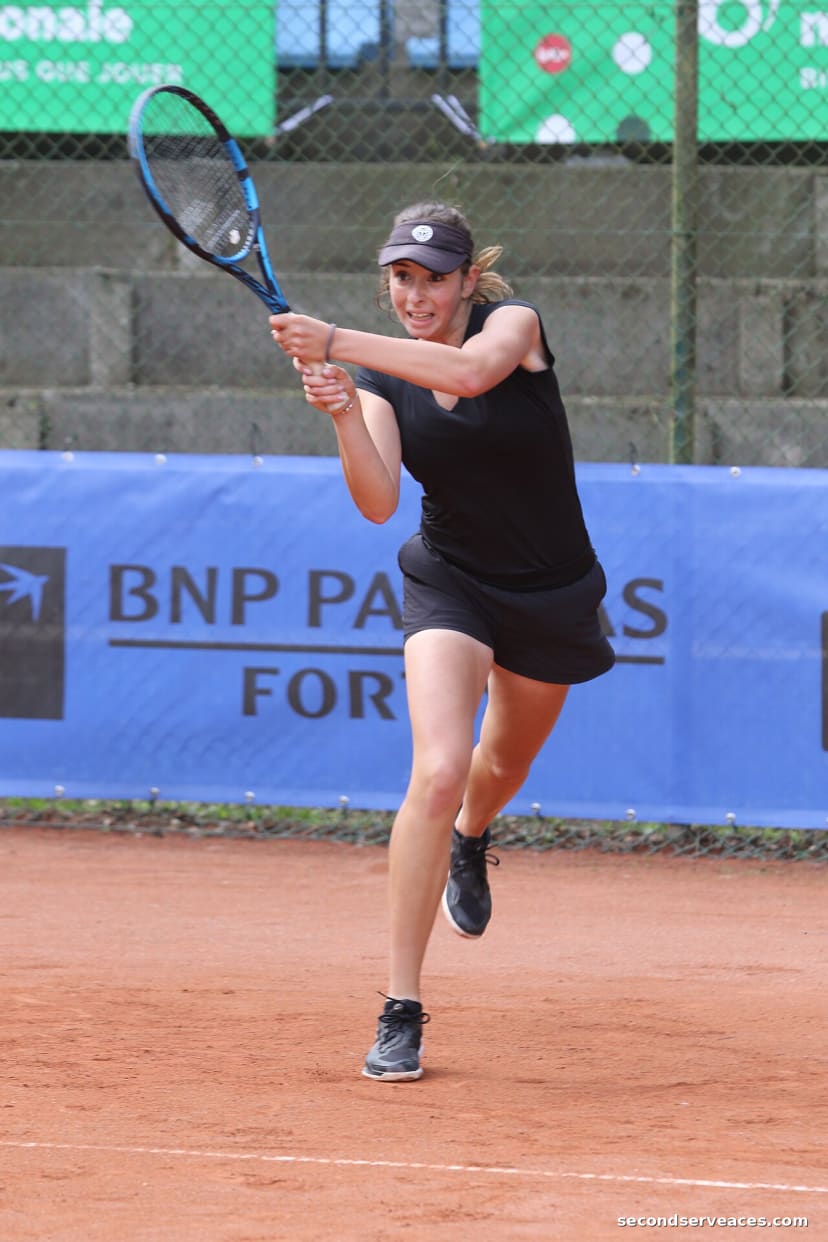
In the unpredictable arena of the Charleston Open, the ability to reset after a lethargic opening set is the hallmark of a veteran. Madison Keys did exactly that, navigating a deficit against Belinda Bencic to claim a hard-fought victory. While the scoreboard eventually swung in her favor, the real narrative here is how Keys managed the transition from defense to offense on the slower, red-clay surface.
Listen to the Second Serve Podcast
Get our daily AI-synthesized audio briefings and match reviews on the go.
The Tactical Breakdown
Keys is traditionally known for a ‘first-strike’ mentality—flattening out her groundstrokes to dictate from the baseline. On clay, however, that aggression can quickly become a liability if the court coverage isn't precise. Against Bencic, who prefers to take the ball early and redirect pace, Keys had to adjust her rally tolerance.
- Court Geometry: Keys increased her use of heavy topspin cross-court forehands, forcing Bencic to hit from deep behind the baseline rather than taking the ball on the rise.
- Serve Placement: Instead of chasing aces, Keys utilized wider angles on her serve to open up the court, creating the space needed to finish points at the net or with a forced error.
- Rally Discipline: The crucial adjustment was shortening the points after the initial trade. By stepping inside the baseline on short balls, Keys avoided the trap of getting into an extended grind against Bencic’s rhythm.
The Bigger Picture
It is worth noting that Keys isn't operating in a vacuum. She is part of an influential cohort on tour—hosting The Player’s Box alongside Jennifer Brady, Desirae Krawczyk, and Jessica Pegula. This collaborative environment has tangible competitive benefits; iron sharpens iron. Keys herself cited the fighting spirit of Jessica Pegula—who is currently into the Charleston semi-finals and preparing for a high-stakes clash with No. 3 seed Maria Sakkari—as a source of motivation during her own match.
This win serves as a reminder of Keys' evolution since her Australian Open triumph last year. Maintaining that level of focus during the transition to the clay-court season is rarely seamless. With players like Mirra Andreeva and Alexandra Eala pushing the new guard, and the consistency of peers like Pegula, the competitive landscape in the WTA is tightening. Keys’ ability to pivot mid-match suggests she is finding the tactical maturity required to sustain deep runs throughout the spring.
What Iga Swiatek Plays With
Tecnifibre Tempo 298 Iga
Tecnifibre Razor Code 1.25
Tecnifibre Pro Contact Overgrip
Analyze Madison Keys vs. Jessica Pegula
Predict tactical adjustments, momentum swings, and serve strategy options for this match-up using our AI simulator.
The Aces Tactical Panel
This report was curated and edited by Bhaskar Goel. Tactical analysis and technical insights were provided by our specialized panel of expert correspondents.
Julian Price
Senior Tactical Correspondent
Stuffy, pedantic British academic and historian specializing in match momentum and historical context.
Elena Cruz
Director of Analytical Research
Data scientist specializing in court surface physics and movement patterns.
Bhaskar
The Editor & Fan
Passionate tennis player and site editor bringing everyday amateur insights and relatable fan commentary.
Arthur Vance
Senior Existential Analyst
Deep, eccentric, and DFW-inspired. Models court metaphysics, kinetic beauty, and player psychology.
Leo Sterling
High-Performance Consultant
Hard-nosed ex-trainer from Melbourne with a no-nonsense view on tour fitness.