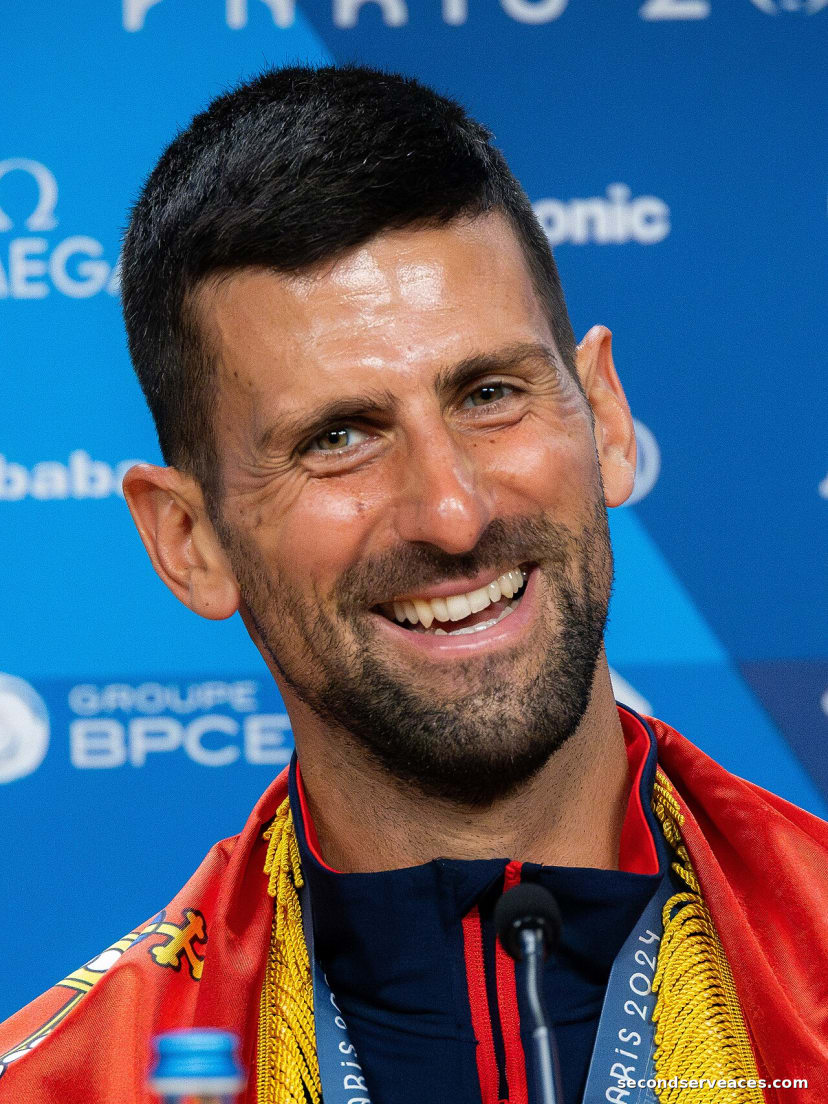
When Novak Djokovic secured his 24th Grand Slam title at the 2023 US Open, the narrative surrounding his longevity reached a fever pitch. John McEnroe, never one to shy away from a bold projection, suggested that the Serbian would likely secure a minimum of two or three more major titles. As of April 2026, that forecast remains a haunting question mark in the annals of modern tennis history.
Listen to the Second Serve Podcast
Get our daily AI-synthesized audio briefings and match reviews on the go.
The Tactical Breakdown
The tactical architecture of Djokovic's late-career dominance has historically relied on a bedrock of extreme rally tolerance and superior court geometry. By shrinking the court for his opponents and exploiting cross-court angles that force defensive maneuvers, Djokovic has maintained a level of efficiency that defied the aging curve. However, the modern game has undergone a structural shift toward high-velocity, low-margin aggression, best exemplified by the rise of Carlos Alcaraz and Jannik Sinner.
This new guard operates with a playstyle that neutralizes Djokovic’s defensive patience. Their ability to generate pace from neutral positions forces the Serbian into shorter rallies, limiting his ability to reset points. The shift is evident in the numbers:
- In his last nine major appearances, Djokovic has been ousted by either Carlos Alcaraz or Jannik Sinner on five separate occasions.
- The physical toll is increasingly visible: Djokovic has retired injured in three of his last nine major outings.
These statistics suggest that the “Djokovic Code”—his ability to break an opponent’s morale through sheer consistency—is being disrupted by players who refuse to engage in the attrition-based war he has dominated for two decades.
The Bigger Picture
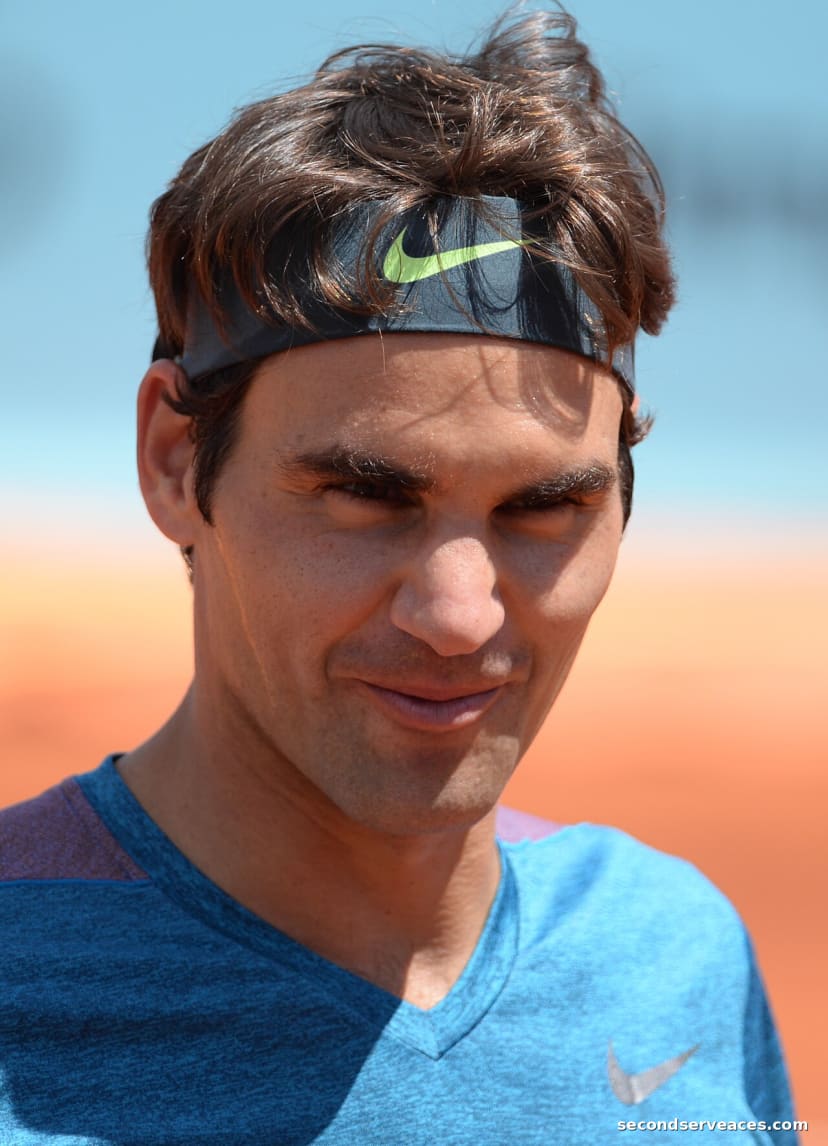
Historical precedent offers a mixed outlook for players competing past their mid-30s. Both Roger Federer and Rafael Nadal managed to secure three Grand Slam titles after turning 35, proving that the "advanced age" barrier is more fluid than previously imagined. Yet, the institutional landscape of the ATP Tour has grown more unforgiving.
The current cycle represents a departure from the "Big Three" hegemony. While Federer and Nadal built their late-career successes on surface-specific mastery, Djokovic is contending with a deeper pool of talent that is better prepared to handle his specific tactical pressures. The reality facing the 24-time major champion is twofold: the physical accumulation of injuries and the rapid tactical maturation of the players chasing him. If the trend of the last nine majors holds, the path to a 25th title requires not just a return to peak health, but a fundamental evolution in how he contests points against a generation that no longer respects the historical aura he carries onto the court.
What Novak Djokovic Plays With
Head Speed Pro
Luxilon ALU Power 125
Head Prime Tour (12-Pack)
Asics Court FF 3 Novak
Analyze John McEnroe vs. Novak Djokovic
Predict tactical adjustments, momentum swings, and serve strategy options for this match-up using our AI simulator.
The Aces Tactical Panel
This report was curated and edited by Bhaskar Goel. Tactical analysis and technical insights were provided by our specialized panel of expert correspondents.
Julian Price
Senior Tactical Correspondent
Stuffy, pedantic British academic and historian specializing in match momentum and historical context.
Elena Cruz
Director of Analytical Research
Data scientist specializing in court surface physics and movement patterns.
Bhaskar
The Editor & Fan
Passionate tennis player and site editor bringing everyday amateur insights and relatable fan commentary.
Arthur Vance
Senior Existential Analyst
Deep, eccentric, and DFW-inspired. Models court metaphysics, kinetic beauty, and player psychology.
Leo Sterling
High-Performance Consultant
Hard-nosed ex-trainer from Melbourne with a no-nonsense view on tour fitness.