The Geometry of a Marathon Debate
The architecture of a tennis match is fundamentally defined by its duration. When John McEnroe contemplates the prospect of women competing in best-of-five set encounters at the French Open, he is not merely discussing a change in the rules of engagement; he is interrogating the very metaphysics of athletic attrition. McEnroe has posited that, should the WTA transition to such a format, the inclusion of a 10-point tiebreaker at two-sets-all would be an essential concession to the physical realities of the clay-court environment.
Listen to the Second Serve Podcast
Get our daily AI-synthesized audio briefings and match reviews on the go.
This proposition creates a unique friction against the established history of the sport. We must remember that the professional tour is not entirely unacquainted with these depths; women’s matches were, in fact, conducted as best-of-five sets at the season-ending championships at Madison Square Garden for a brief window of two or three years in the past. It remains a historical footnote that serves as the primary data point for those evaluating the viability of returning to such a physically demanding structure.
Yet, the resistance is as potent as the proposal. Maria Sharapova, a voice of considerable influence within the ecosystem of the WTA Tour, has articulated a clear opposition to the elongation of these matches. Her perspective centers on the preservation of the current tactical landscape, suggesting that the existing format allows for a specific intensity of engagement that might be diluted or misdirected if stretched across a broader, more exhaustive temporal plane.
The Economic Subtext of the Court
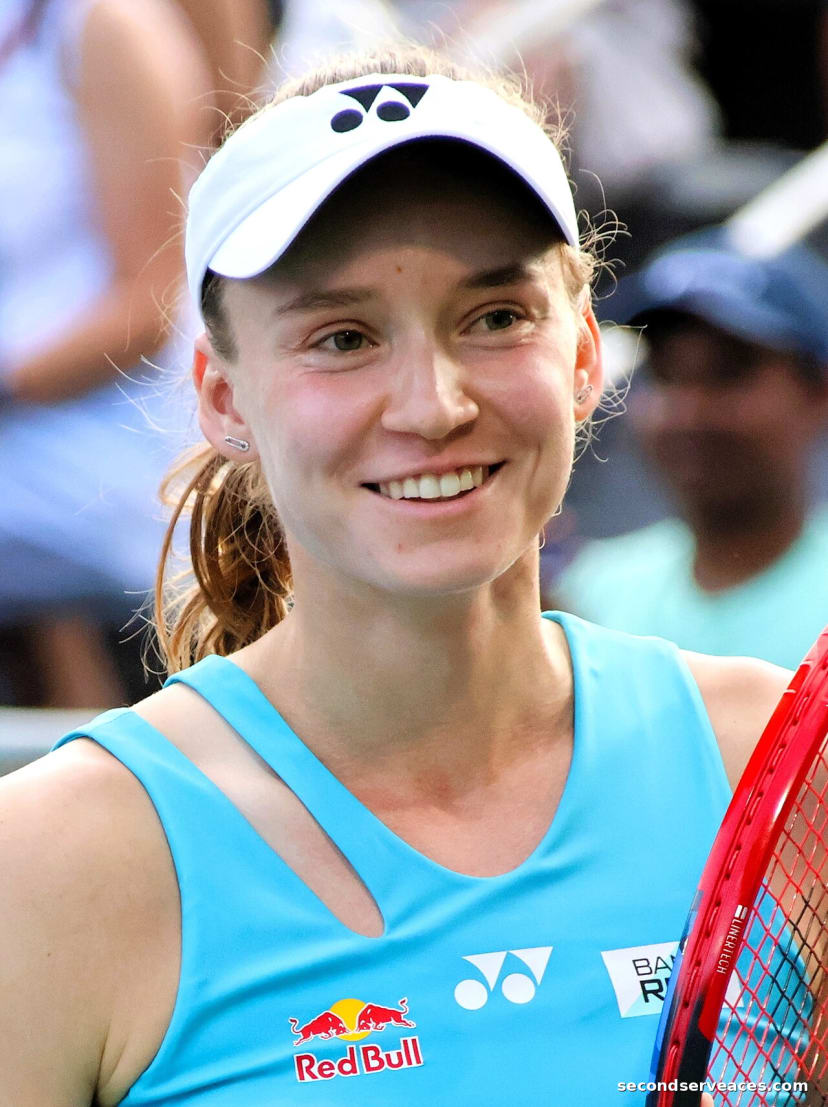
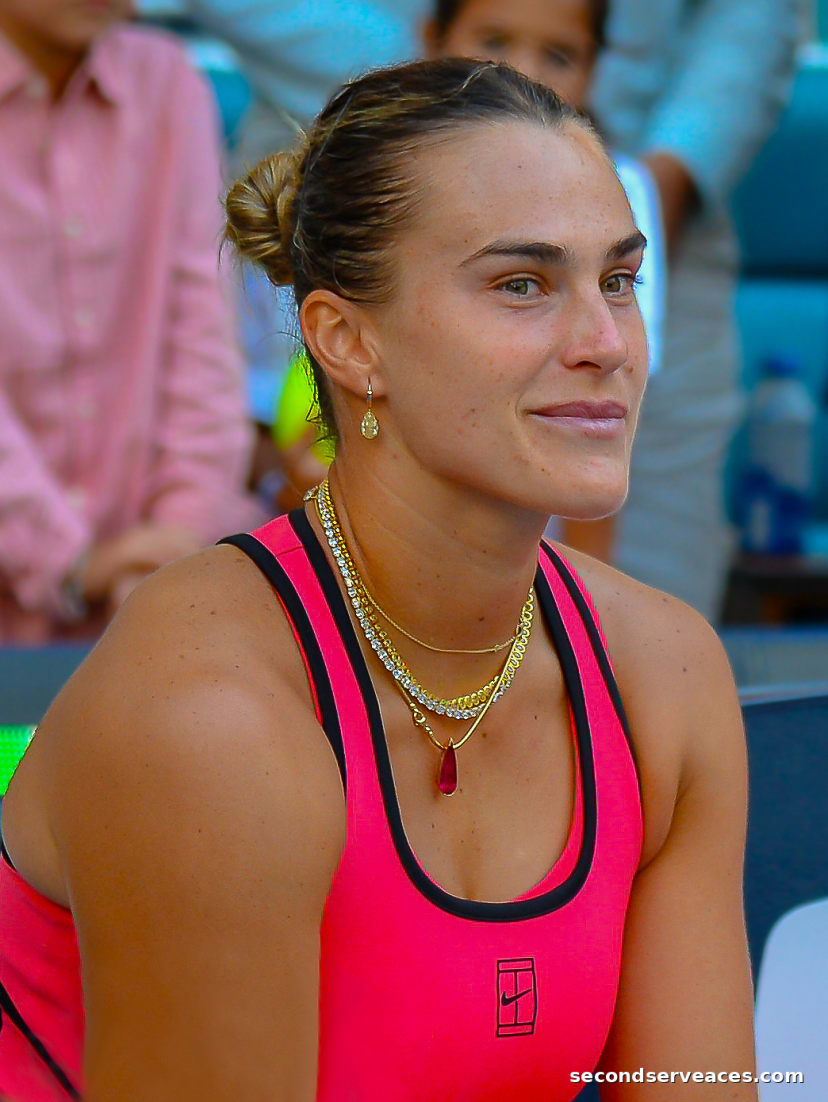
Behind the discourse on match length lies the more immediate, volatile issue of compensation. The conversation surrounding the potential for a player boycott regarding prize money distribution at major tournaments has moved from the periphery to the center of the locker room dialogue. Athletes like Elena Rybakina and Aryna Sabalenka have lent their voices to the necessity of parity, viewing the structure of the tour’s financial rewards as an extension of the game’s core values of equity and respect.
The calculus here is precise: if the sport demands the highest level of physical output, the remuneration must reflect that commitment. The tension is palpable, as players weigh their historical respect for the institutions of the game against the desire for a modern, equitable financial structure. It is a debate that transcends the lines of the court, questioning the fundamental business model of the major tournaments themselves.
As the tour prepares for the upcoming proceedings, the solidarity displayed by these high-ranking athletes suggests a shifting tide. Whether this collective action manifests as a formal pause in operations or a negotiated settlement, the message is clear: the players are actively recalibrating their influence over the governance of their own professional destinies.
The Return of Legacy and the Weight of Tradition
Amidst the swirling debates, the return of Venus Williams to the clay at Roland Garros after a five-year absence acts as a poignant reminder of the game’s cyclical nature. Her presence grounds the abstract discourse in the reality of individual grit. Watching a veteran navigate the nuances of red dirt—a surface that demands a specific patience and a near-constant adjustment of one’s sliding geometry—serves as a lens through which we might view the broader debates about length and remuneration.
It is worth noting that for players like Venus, the match is never just about the points won or lost. It is about the continuity of a career, the endurance of the physical vessel through years of high-impact movement, and the navigation of a sport that is constantly demanding more. Whether she is joined by peers like Iga Swiatek, Serena Williams, or Monica Seles in spirit, the weight of history is omnipresent.
Ultimately, the sport remains in a state of flux. With figures like Martina Navratilova and Sam Querrey—or even rising stars like Jack Draper—watching these developments from various vantage points, the question is not merely about rules. It is about the soul of the game, and whether the future will be defined by the rigid adherence to the past or a bold, perhaps uncomfortable, evolution toward a more equitable and intense standard of competition.
What Aryna Sabalenka Plays With
Wilson Blade 98 v9 (16x19)
Luxilon ALU Power 125
Wilson Pro Overgrip (12-Pack)
Analyze John McEnroe vs. Maria Sharapova
Predict tactical adjustments, momentum swings, and serve strategy options for this match-up using our AI simulator.
The Aces Tactical Panel
This report was curated and edited by Bhaskar Goel. Tactical analysis and technical insights were provided by our specialized panel of expert correspondents.
Julian Price
Senior Tactical Correspondent
Stuffy, pedantic British academic and historian specializing in match momentum and historical context.
Elena Cruz
Director of Analytical Research
Data scientist specializing in court surface physics and movement patterns.
Bhaskar
The Editor & Fan
Passionate tennis player and site editor bringing everyday amateur insights and relatable fan commentary.
Arthur Vance
Senior Existential Analyst
Deep, eccentric, and DFW-inspired. Models court metaphysics, kinetic beauty, and player psychology.
Leo Sterling
High-Performance Consultant
Hard-nosed ex-trainer from Melbourne with a no-nonsense view on tour fitness.