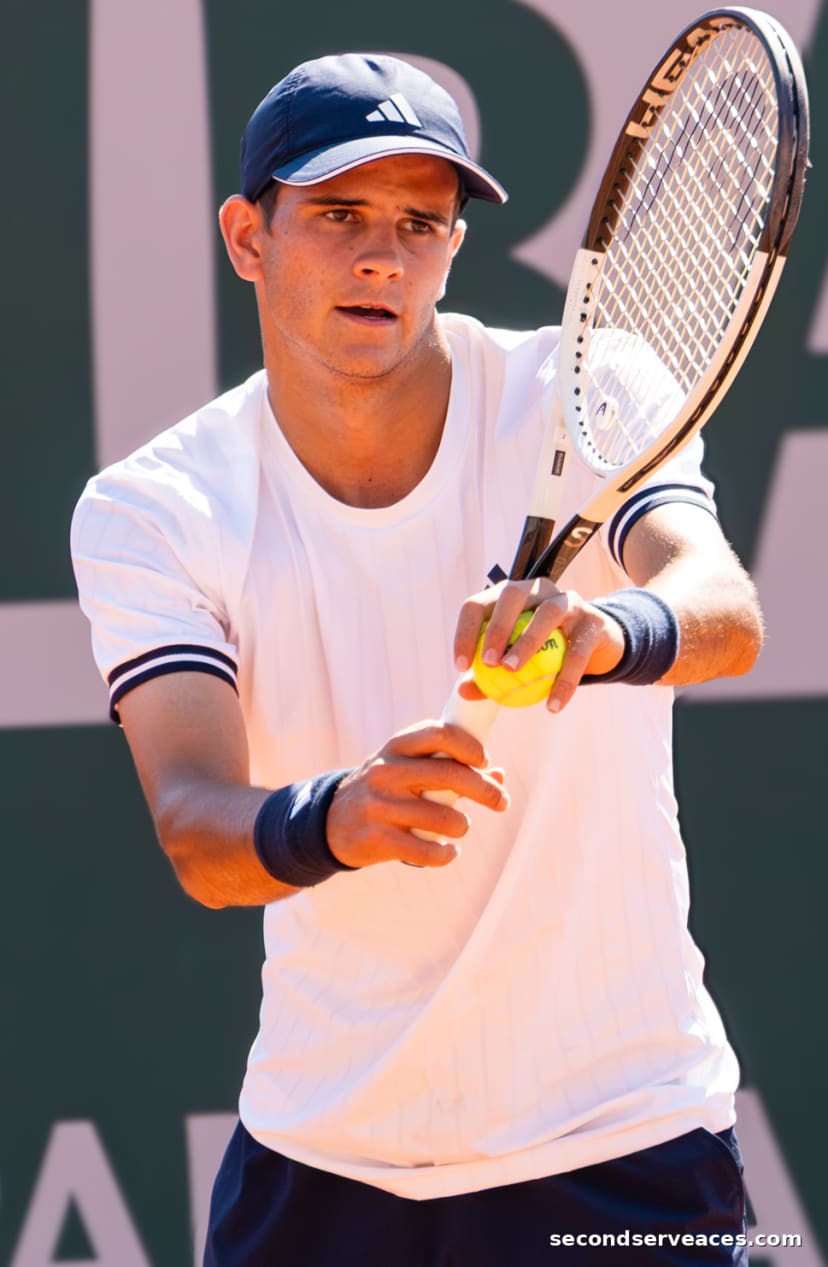
At nineteen, Joao Fonseca finds himself standing at that peculiar, narrow intersection where the hyper-kinetic physics of the modern ATP Tour meet the crushing, intangible weight of what we call 'potential.' It is a volatile geometry. The clay courts of the Italian Open are less a surface and more a laboratory for this specific kind of growth, a place where the ball grips, checks, and punishes the impatient.
Listen to the Second Serve Podcast
Get our daily AI-synthesized audio briefings and match reviews on the go.
The Weight of the Rising Metric
Fonseca enters this tournament with a 10-8 record for the 2026 season—a collection of data points that tells only a fraction of the story. To see the kid play is to see a player fighting the friction of his own rapid ascent. Last year, he reached his first Masters 1000 quarterfinal at the Monte-Carlo Masters, a result that effectively recalibrated the internal compass of his development.
This is not merely about shot selection or the technical mastery of the heavy topspin ball. It is about the mental stamina required to absorb the noise. When he squared off against Rafael Jodar during the third round of the Madrid Masters, the tactical stakes were matched only by the necessity of emotional regulation. He is navigating a professional landscape that demands instant results, yet he is attempting to maintain the patience of a craftsman.
The Shadow of the Master
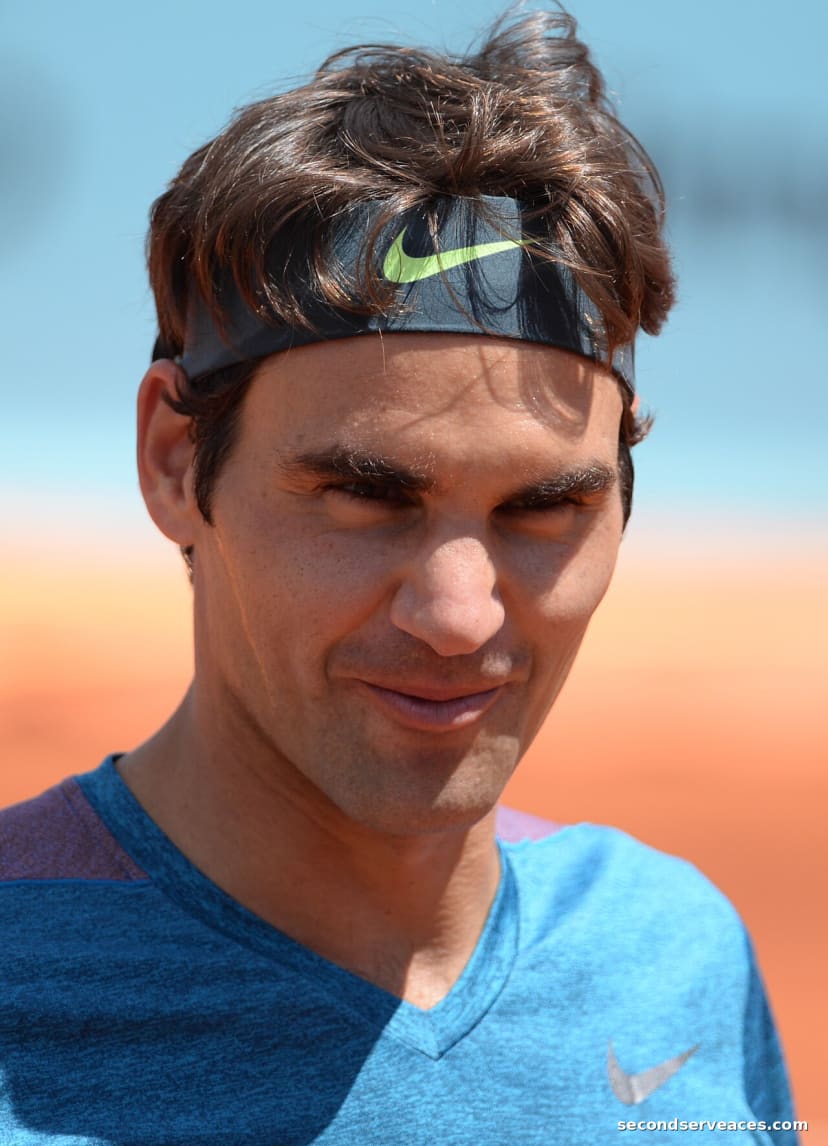
The institutional scaffolding around Fonseca is formidable. As a client of Team8—the agency co-founded by Roger Federer—the young Brazilian is positioned within a lineage of excellence that is both a privilege and a heavy mantle. There is a certain poetic symmetry in being mentored, even indirectly, by the man who essentially redefined the aesthetics of the baseline game.
The influence of that circle is subtle, manifesting in the way Fonseca carries himself during the quiet moments of a changeover. It is an education in the economics of movement: doing less to achieve more. For a 19-year-old, the challenge is to internalize the grace of his mentors without losing the raw, impulsive aggression that makes his game, at its ceiling, so incredibly dangerous.
The Clay Court Laboratory
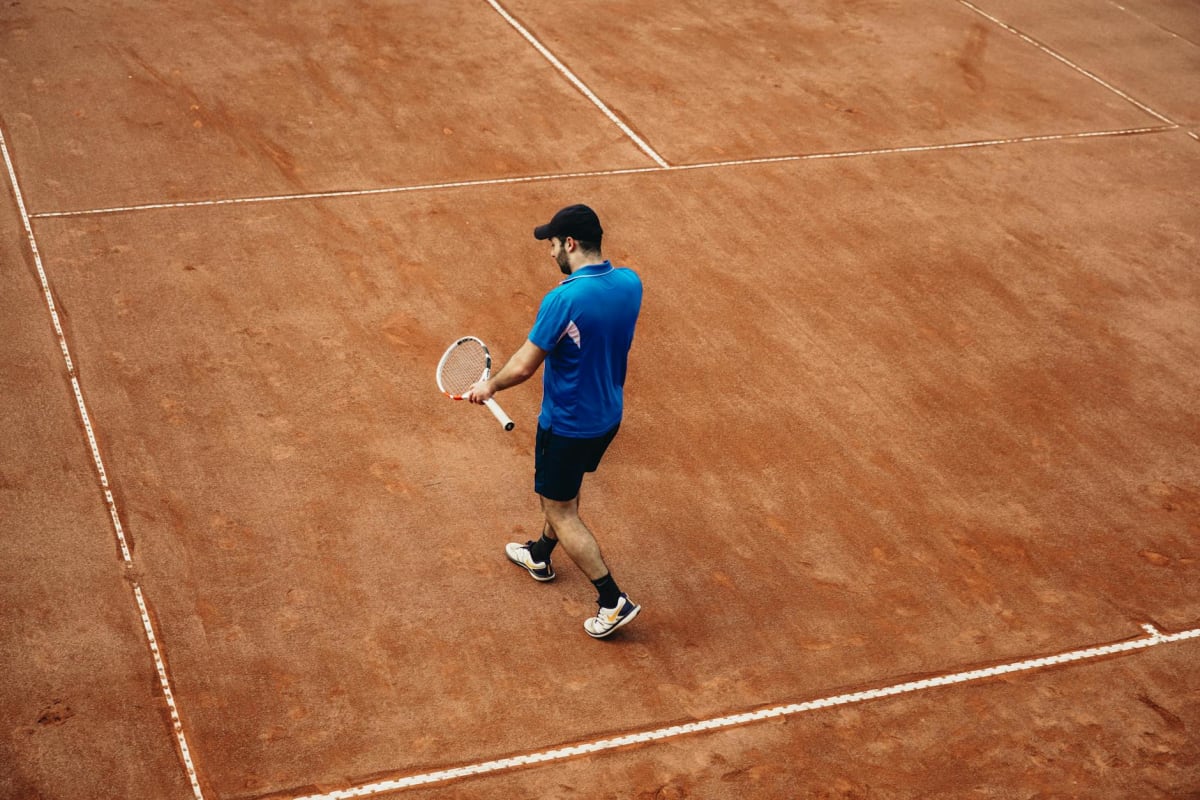
Rome is a different beast entirely. On the slower surface, every exchange is an invitation to doubt. Fonseca’s transition to the Italian Open environment is less about his current ranking—which fluctuates as he seeks consistency—and more about how he modulates the spin-rate of his forehand against players who have spent their lives on this specific red dust.
Success here requires a recalibration of the nerves. One must reconcile the desire to dictate the point with the reality that the court surface is constantly trying to neutralize that effort. Fonseca’s season to date shows a player who is still finding his comfort zone in the long, drawn-out rallies that define these ATP rankings-heavy events. His capacity to process these tactical lessons in real-time will dictate whether he exits Rome as a prospect or as a contender.
Essential Matchday Add-Ons
Tournament-tested accessories and high-frequency consumables every competitive player keeps in their bag.
Tourna Grip Original Dry Feel Overgrip (10-Pack)
4.8 ★ (12,000+ reviews)
The gold standard for sweaty hands. Proprietary dry feel absorbs moisture better as play intensifies.
Luxilon ALU Power 125 Silver String Set
4.9 ★ (3,500+ reviews)
Unrivaled control and spin potential used by over 50% of the ATP Top 100 players.
Babolat Custom Damp Vibration Dampener (2-Pack)
4.7 ★ (4,200+ reviews)
Customizable dampening with removable central O-ring for fine-tuning court feedback and sound.
Penn Championship Extra Duty Tennis Balls (4-Can Pack)
4.7 ★ (8,900+ reviews)
Official ball of USTA League Tennis with extra-duty felt designed for abrasive hard courts.
Analyze Joao Fonseca vs. Roger Federer
Predict tactical adjustments, momentum swings, and serve strategy options for this match-up using our AI simulator.
The Aces Tactical Panel
This report was curated and edited by Bhaskar Goel. Tactical analysis and technical insights were provided by our specialized panel of expert correspondents.
Julian Price
Senior Tactical Correspondent
Stuffy, pedantic British academic and historian specializing in match momentum and historical context.
Elena Cruz
Director of Analytical Research
Data scientist specializing in court surface physics and movement patterns.
Bhaskar
The Editor & Fan
Passionate tennis player and site editor bringing everyday amateur insights and relatable fan commentary.
Arthur Vance
Senior Existential Analyst
Deep, eccentric, and DFW-inspired. Models court metaphysics, kinetic beauty, and player psychology.
Leo Sterling
High-Performance Consultant
Hard-nosed ex-trainer from Melbourne with a no-nonsense view on tour fitness.