The Long Road Back from Delray Beach
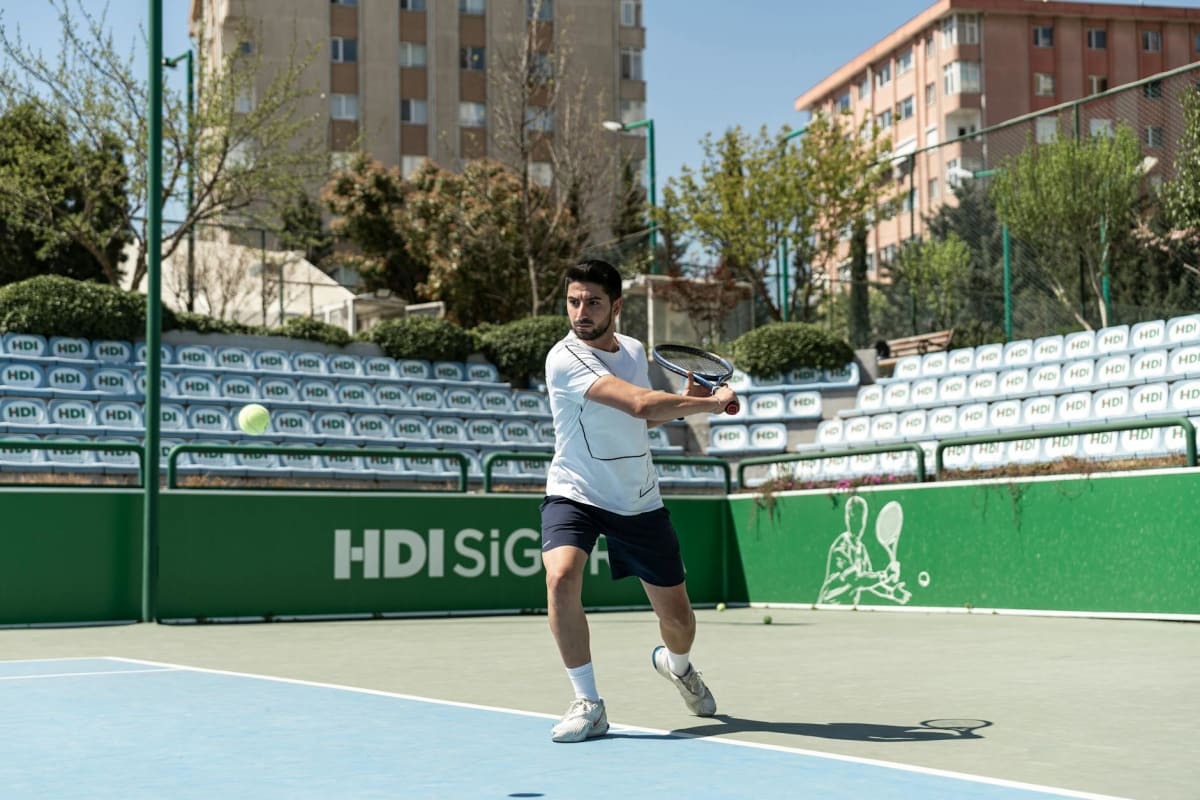
Let’s call this what it is: a damn impressive show of grit. J.J. Wolf has finally stepped back onto the professional stage, and he didn’t just show up to make up the numbers. Dispatching Raphael Perot 6-3, 6-2 at the Mardy Fish Children’s Foundation USTA/ITF Pro Circuit tournament, Wolf reminded everyone that when he’s healthy, he’s a problem for anyone on the other side of the net.
Listen to the Second Serve Podcast
Get our daily AI-synthesized audio briefings and match reviews on the go.
We need to talk about the hell he’s been through. The 2025 Delray Beach Open wasn’t just a bad week; it was a career-defining nightmare. A torn labrum and broken bones in his right shoulder? That’s the kind of injury that sends guys into early retirement, questioning whether it’s worth the grind. Most players wouldn’t even be holding a racquet right now, let alone hitting through their forehand with any authority.
It’s been a year of rehab, of quiet, agonizing recovery while the rest of the tour moved on. Seeing him dominate in Naples earlier this year with a zero ranking was a signal, but this win at the ITF Pro Circuit? This is a testament to the fact that his game hasn’t lost its edge. The hunger is clearly still there.
The Ohio State Blueprint for Success
If you want to understand where this tenacity comes from, look at his collegiate days. Wolf wasn’t just good at Ohio State University; he was a juggernaut. We’re talking about a 45-3 record in singles and doubles in 2019. That’s not a record; that’s a beatdown. You don’t cultivate that kind of winning percentage by being soft or by folding when the pressure cranks up.
That college environment prepared him for the brutal reality of the ATP tour. He learned how to handle match momentum and how to execute on high-leverage points. When he broke through to a career-high ranking of No. 39 back in 2023, it wasn’t some fluke—it was the result of those grueling sessions in Columbus.
Now, he’s applying that same blue-collar, high-intensity approach to his comeback. He isn’t relying on past glory; he’s playing like a guy who knows exactly how fast the window to compete at the elite level can slam shut. He’s back to grinding, point by point, looking to claw his way back into the rankings conversation.
Analyzing the Tactical Recovery
What I saw in this 6-3, 6-2 victory is a player who trusts his body again. The shoulder is the engine of the serve, and if there’s any hesitation, the whole game falls apart. Watching him rip through his service games against Perot, you could see the liberation. He wasn’t babying the ball; he was swinging through the contact point.
Of course, the test will be when he faces guys who can force him into defensive corners. It’s one thing to dominate an ITF-level opponent; it’s another to sustain that intensity over three sets against the top 50. But for now, the data is promising. He’s moving with the same agility that allowed him to crack the top 40 in the first place.
Check out the latest official rankings to see where the field stands, but don’t be surprised if Wolf starts climbing that ladder faster than the pundits expect. He’s played the long game, and he’s starting to cash in the chips.
The Mandate for the Comeback Season
Look, the reality of the circuit is harsh. The level is deep, and nobody is going to give you a free pass just because you’ve had a tough year with injuries. Wolf knows this better than anyone. He’s spent the last year watching, waiting, and resetting his internal clock for this exact moment.
The transition from injury recovery to competitive match play is the hardest shift an athlete can make. There’s the physical side, obviously, but the mental battle—getting back to that 'clutch' mentality when you’re down a break point—is where most players fail. Wolf’s performance this week proves he’s done the work.
We’re watching a guy fighting for his professional life, and frankly, it’s refreshing to see someone actually show some fight. If the shoulder holds up—and based on this performance, it’s looking rock solid—this isn’t just a return. It’s the start of a serious climb back to where he belongs.
What Ben Shelton Plays With
Yonex Ezone 98 (7th Gen)
Yonex Poly Tour Pro 125
Yonex Super Grap (12-Pack)
Analyze J.J. Wolf vs. Raphael Perot
Predict tactical adjustments, momentum swings, and serve strategy options for this match-up using our AI simulator.
The Aces Tactical Panel
This report was curated and edited by Bhaskar Goel. Tactical analysis and technical insights were provided by our specialized panel of expert correspondents.
Julian Price
Senior Tactical Correspondent
Stuffy, pedantic British academic and historian specializing in match momentum and historical context.
Elena Cruz
Director of Analytical Research
Data scientist specializing in court surface physics and movement patterns.
Bhaskar
The Editor & Fan
Passionate tennis player and site editor bringing everyday amateur insights and relatable fan commentary.
Arthur Vance
Senior Existential Analyst
Deep, eccentric, and DFW-inspired. Models court metaphysics, kinetic beauty, and player psychology.
Leo Sterling
High-Performance Consultant
Hard-nosed ex-trainer from Melbourne with a no-nonsense view on tour fitness.