The Charleston Crucible
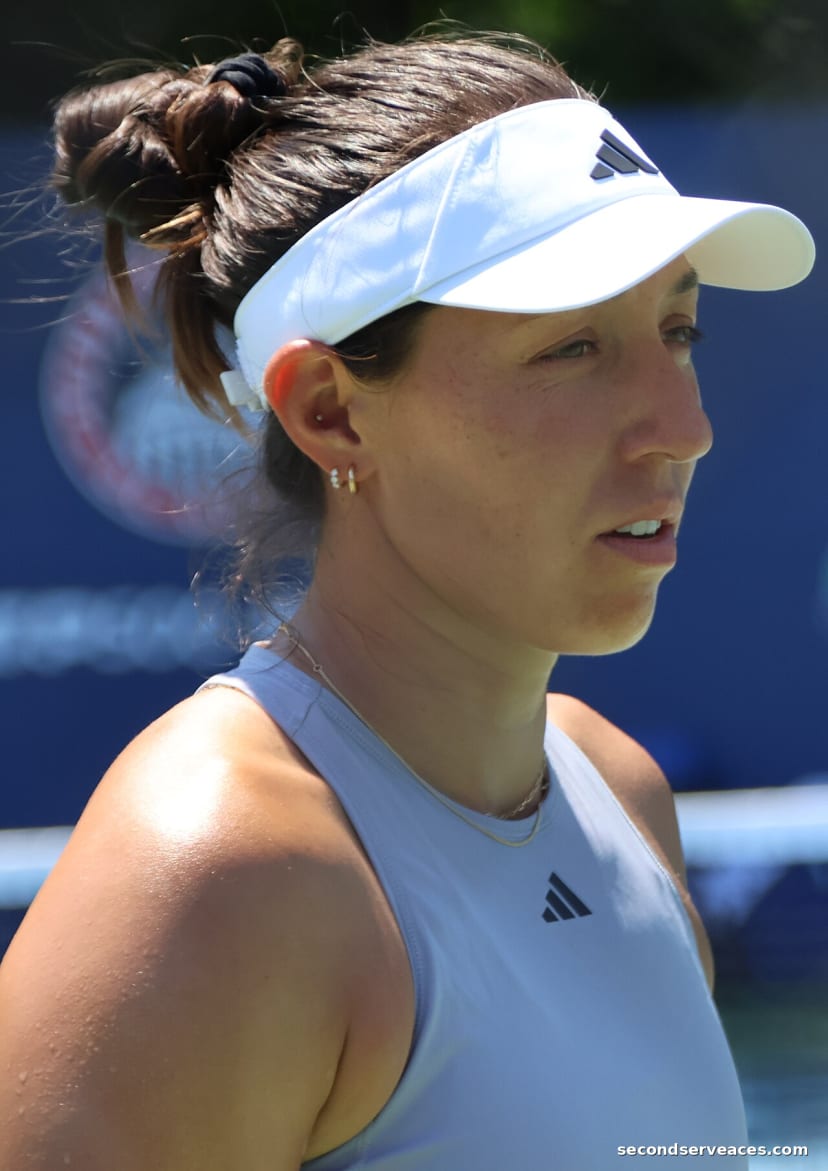
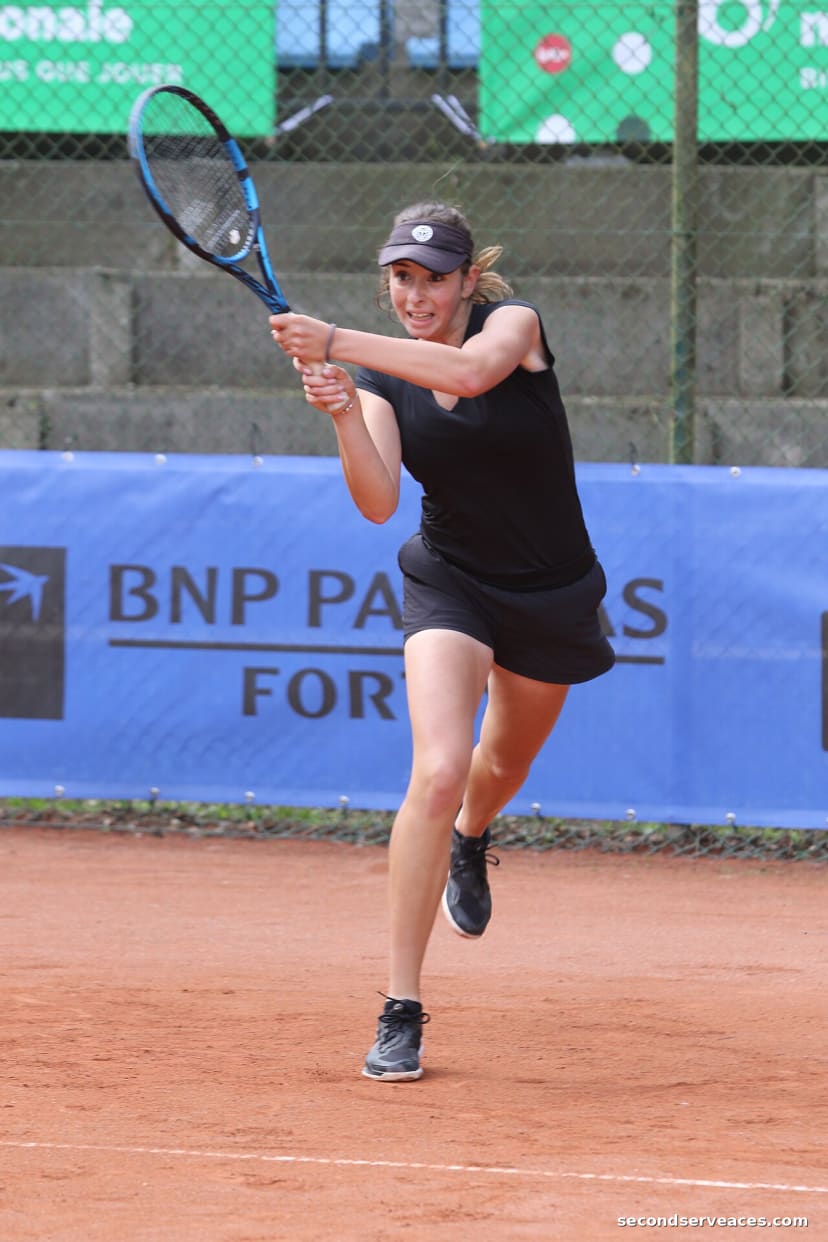
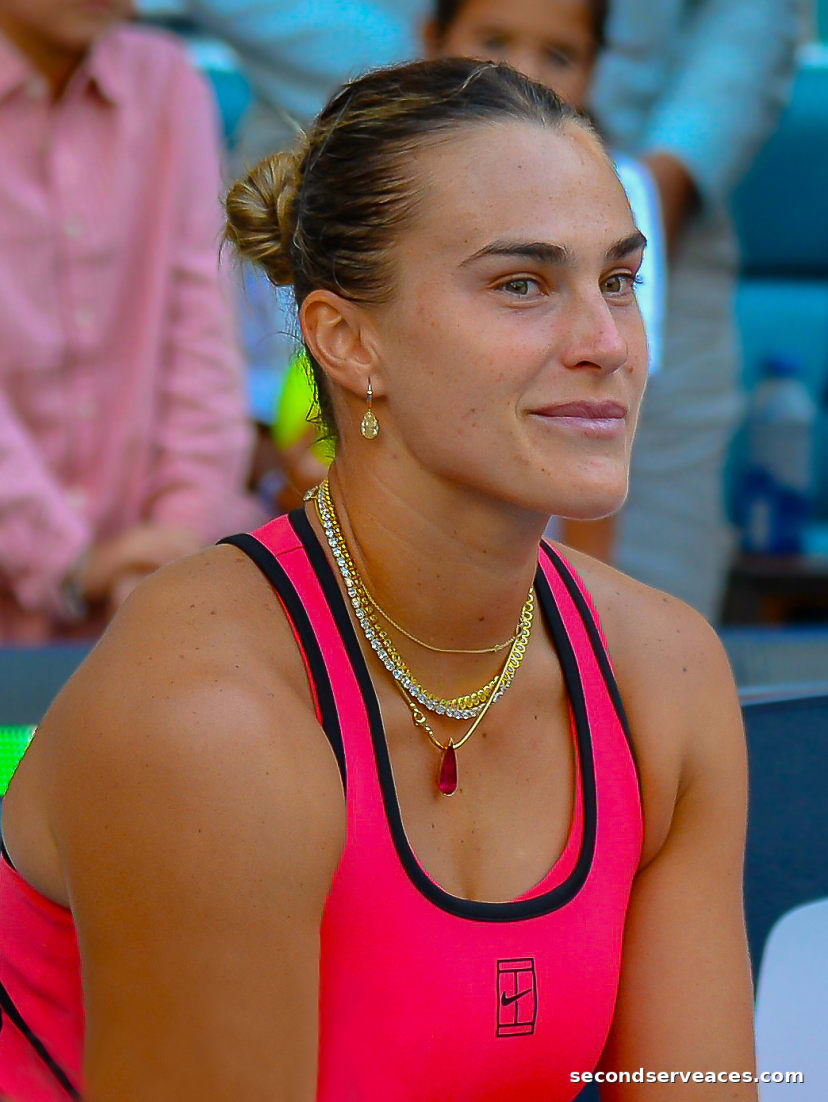
In the evolving landscape of the WTA Tour, consistency remains the ultimate currency. Jessica Pegula, the top-tier strategist of the American contingent, reaffirmed her standing on the green clay of the Credit One Charleston Open by successfully defending her singles title. While the tournament featured a robust field including Madison Keys, who maneuvered her way to a semifinal finish, and a notable doubles showcase from Desirae Krawczyk and Caty McNally, the week belonged to the methodical brilliance of the champion.
Listen to the Second Serve Podcast
Get our daily AI-synthesized audio briefings and match reviews on the go.
The Tactical Breakdown
Pegula’s path to the title was less about raw power and more about the clinical application of court geometry. On green clay, a surface that rewards lateral movement and high rally tolerance, Pegula excels by shortening the points through calculated depth rather than pure pace.
- Rally Tolerance: Pegula utilized her trademark backhand cross-court to pull opponents wide, opening up the sharp-angle finish that is essential for success on this surface.
- Uniformity and Focus: The visual narrative of the final was curious, as Pegula and Yuliia Starodubtseva took the court in identical kits. Such sartorial symmetry often masks the underlying psychological tension, yet Pegula remained unflappable, prioritizing her serve placement over flamboyant winners.
- The Net Game: The title run for Desirae Krawczyk and Caty McNally underscores a shift toward more aggressive net play in doubles, a trend that is trickling down to singles specialists like Pegula who are increasingly utilizing the approach shot to neutralize aggressive baseliners.
The Bigger Picture
The Charleston field provided a microcosm of the current American power structure. With Jennifer Brady and Erin Routliffe demonstrating their capabilities during a strong quarterfinal run in doubles, and the continued professional maturation of Tommy Paul and Ben Shelton across the broader tour, the pipeline of talent remains deep.
For Pegula, this defense acts as a bridge toward the European clay swing. History shows us that success on the faster-playing green clay of Charleston does not always translate seamlessly to the slower, heavy red dirt of Roland Garros, but the confidence gained here is tangible. She is building a resume that favors reliability over volatility, a trait that serves her well as she navigates the peaks and valleys of a grueling WTA calendar.
What Ben Shelton Plays With
Yonex Ezone 98 (7th Gen)
Yonex Poly Tour Pro 125
Yonex Super Grap (12-Pack)
Analyze Madison Keys vs. Jennifer Brady
Predict tactical adjustments, momentum swings, and serve strategy options for this match-up using our AI simulator.
The Aces Tactical Panel
This report was curated and edited by Bhaskar Goel. Tactical analysis and technical insights were provided by our specialized panel of expert correspondents.
Julian Price
Senior Tactical Correspondent
Stuffy, pedantic British academic and historian specializing in match momentum and historical context.
Elena Cruz
Director of Analytical Research
Data scientist specializing in court surface physics and movement patterns.
Bhaskar
The Editor & Fan
Passionate tennis player and site editor bringing everyday amateur insights and relatable fan commentary.
Arthur Vance
Senior Existential Analyst
Deep, eccentric, and DFW-inspired. Models court metaphysics, kinetic beauty, and player psychology.
Leo Sterling
High-Performance Consultant
Hard-nosed ex-trainer from Melbourne with a no-nonsense view on tour fitness.