The Panic Behind the Baseline
Let’s be real for a second. We talk about the perfect strokes and the million-dollar endorsements, but sometimes the biggest opponent on a tennis court is just breathing. Jessica Pegula, a 32-year-old veteran who knows her way around a deep run, found herself in a genuine hole against Putintseva in Charleston. She wasn't just fighting the ball; she was fighting a full-blown physical meltdown.
Listen to the Second Serve Podcast
Get our daily AI-synthesized audio briefings and match reviews on the go.
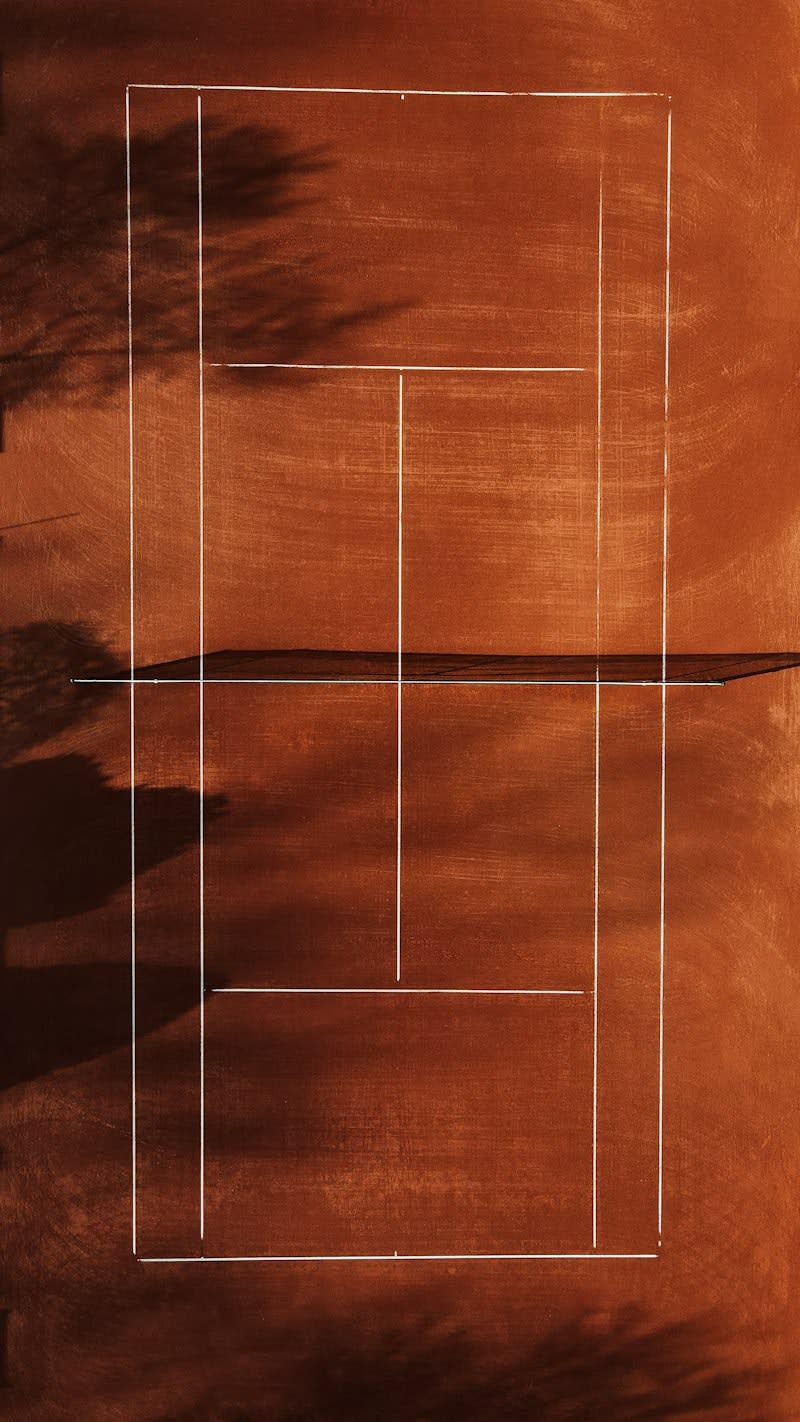
By her own admission, a "panic moment" hit early in the second set. Allergies were wrecking her system, and when you can’t get your lungs to cooperate, the geometry of the court starts looking like a nightmare. Add in the chaotic, loopy spin Putintseva was throwing up, compounded by the swirling winds and those long, shifting shadows of the Charleston clay, and you have a recipe for a disaster. But at this level, it’s not about avoiding the crisis; it’s about how you claw your way out of it.
The Tactical Breakdown
When the rhythm goes out the window, you have to force the issue. Pegula’s turnaround wasn't magic—it was fundamental, gritty tennis adjustment. Against a player like Putintseva, who thrives on dragging opponents into an ugly, moonball-heavy stalemate, the worst thing you can do is stand on your heels.
- Return Aggression: Pegula recognized that hanging back was playing right into the hands of the wind. She stepped up, cutting the angle and taking the ball earlier to rob Putintseva of time.
- Serve Geometry: Instead of aiming for pure velocity, she shifted to better serving spots. By widening the court and forcing her opponent to move, she regained control of the rally momentum.
- Rally Tolerance: Facing high, heavy spin on clay requires discipline. She committed to the heavy lifting, refusing to over-hit while waiting for the short ball to punish.
Tactically, this is the classic "reset button." You stop trying to blast winners through a wall of wind and start moving the opponent until the court opens up. It’s not flashy, but it works.
The Bigger Picture
You don't reach a Grand Slam final in 2024 by folding when the air quality goes south. This Charleston outing is a microcosm of the modern WTA grind. The field is deeper than it’s ever been; you aren't just playing the name on the other side of the net, you’re playing the conditions.
Pegula has proven she has the engine to go the distance, but maintaining that intensity while the body fights back against the environment is what separates the contenders from the pack. As we look ahead, her ability to make these mid-match, internal corrections—moving past the physical limitations to stick to a game plan—is exactly what she needs to stay in the mix with the top seeds throughout the clay swing.
What Iga Swiatek Plays With
Tecnifibre Tempo 298 Iga
Tecnifibre Razor Code 1.25
Tecnifibre Pro Contact Overgrip
Analyze Jessica Pegula vs. Elena Rybakina
Predict tactical adjustments, momentum swings, and serve strategy options for this match-up using our AI simulator.
The Aces Tactical Panel
This report was curated and edited by Bhaskar Goel. Tactical analysis and technical insights were provided by our specialized panel of expert correspondents.
Julian Price
Senior Tactical Correspondent
Stuffy, pedantic British academic and historian specializing in match momentum and historical context.
Elena Cruz
Director of Analytical Research
Data scientist specializing in court surface physics and movement patterns.
Bhaskar
The Editor & Fan
Passionate tennis player and site editor bringing everyday amateur insights and relatable fan commentary.
Arthur Vance
Senior Existential Analyst
Deep, eccentric, and DFW-inspired. Models court metaphysics, kinetic beauty, and player psychology.
Leo Sterling
High-Performance Consultant
Hard-nosed ex-trainer from Melbourne with a no-nonsense view on tour fitness.