The Persistence of Geography
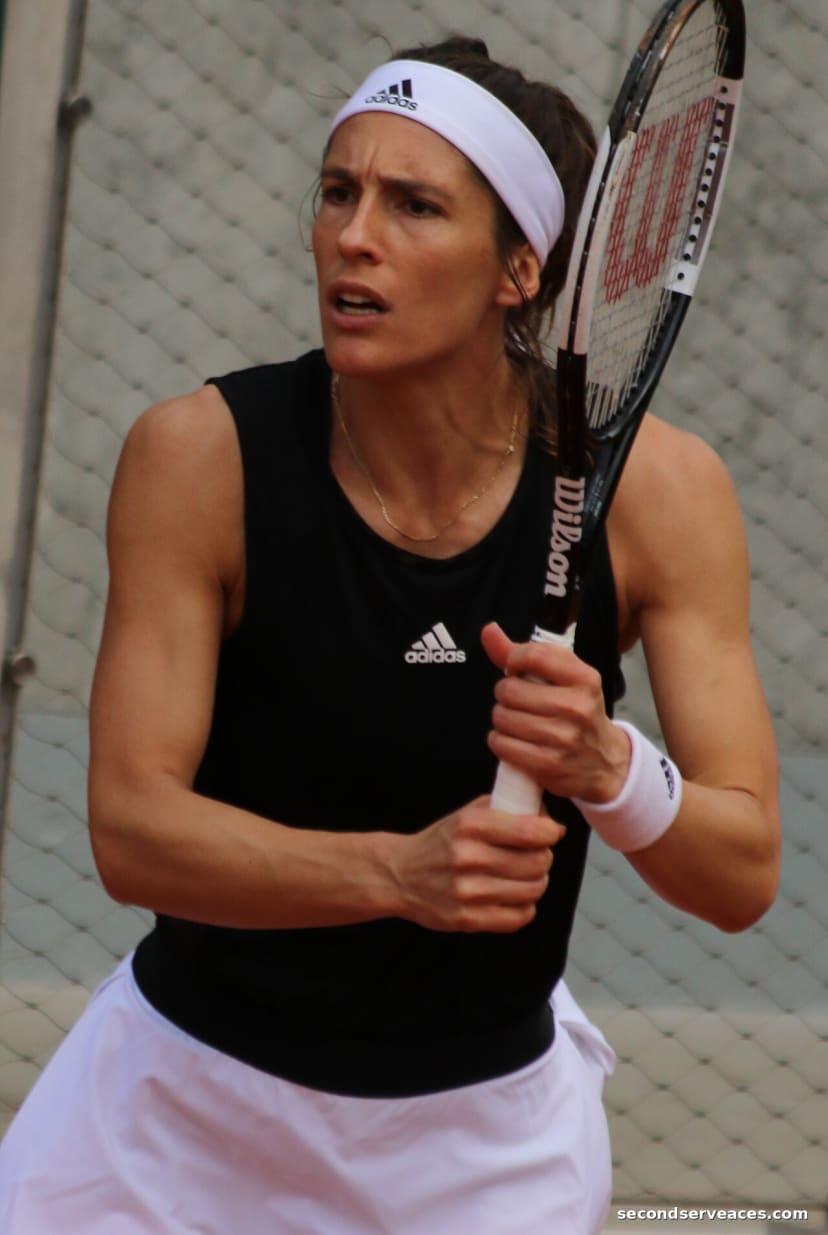
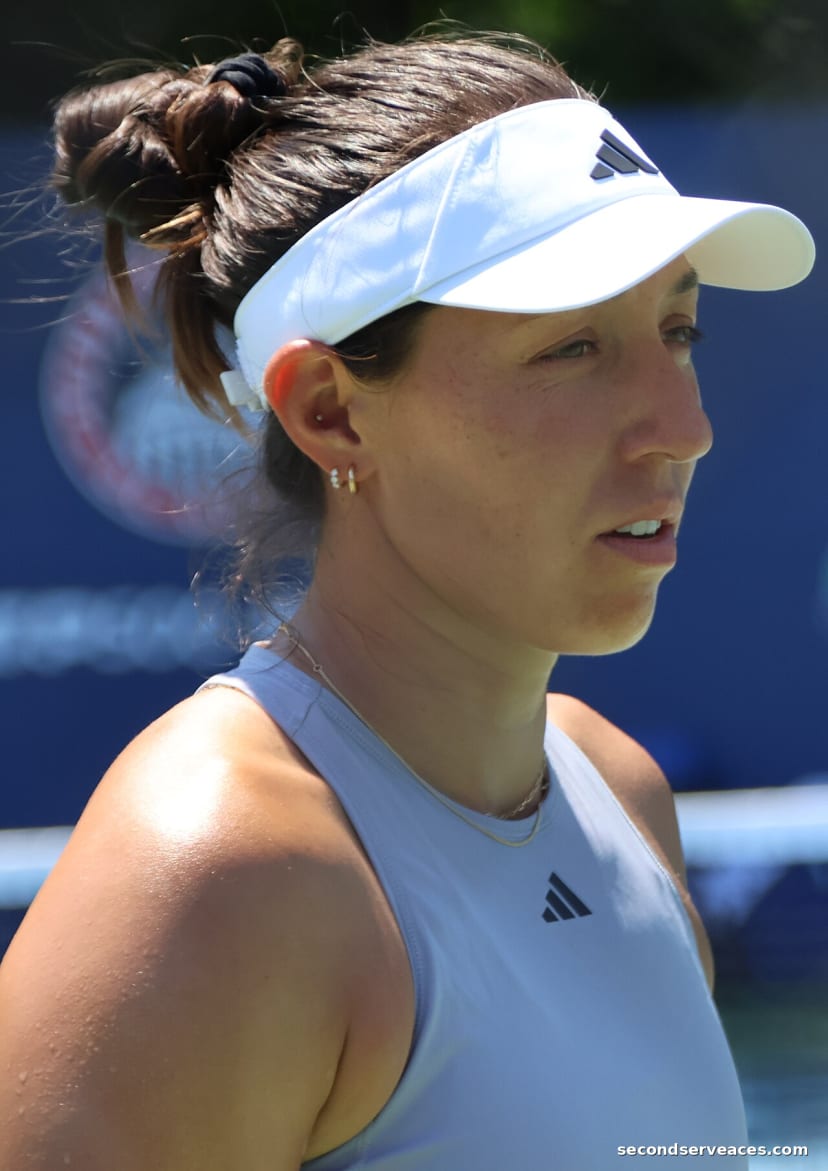
To watch Jessica Pegula on the green clay of Charleston is to witness a study in deliberate, geometric patience. The top seed and defending champion, having already tasted the victory of a title run in Dubai this past February, found herself locked in a three-hour odyssey against Yulia Putintseva. The final score—4-6, 6-4, 7-5—does little to capture the granular friction of the match, the way the clay seemed to hang onto the ball, forcing both combatants to negotiate the physics of a surface that rewards those willing to endure the labor of the point.
Listen to the Second Serve Podcast
Get our daily AI-synthesized audio briefings and match reviews on the go.
The Tactical Breakdown
At the professional level, clay-court tennis is fundamentally an exercise in risk-mitigation. Pegula, whose game is built upon a foundation of rhythmic consistency and flat, penetrating depth, faced a stern examination of her rally tolerance. Putintseva, known for her disruptive, high-spin, and often unpredictable ball trajectory, excels at breaking the rhythm of players who prefer the predictability of hard-court exchanges.
- Rally Geometry: Pegula’s success hinged on her ability to widen the court incrementally. By prioritizing lateral movement, she forced Putintseva to cover more linear distance, eventually carving out short-court angles that neutralized the back-and-forth grind.
- Serve Placement: Faced with a relentless returner, the winning margin was found in the nuance of first-serve percentage. Pegula’s reliance on hitting her spots—specifically wide to the forehand to open the deuce court—allowed her to dictate the early stages of the third set, a necessity when the margins are this thin.
- Net Presence: When rallies stagnated, the decision to approach the net served as a tactical reset button, shifting the onus onto Putintseva to execute under pressure.
The Bigger Picture
The tournament landscape shifted significantly as the second-seeded Ekaterina Alexandrova was forced to withdraw. Citing an injury carried over from her stint in Miami, Alexandrova’s exit leaves a palpable void in the draw, filled now by Ekaterine Gorgodze. This sequence reminds us that the professional circuit is a brutal, cumulative machine; a player is rarely as healthy as their ranking suggests, and the transition from the hard courts of Florida to the grit of Charleston often acts as a physical crucible.
For Pegula, advancing to the round of 16 is a testament to the durability required to sustain form across varying surfaces. Having already secured a title this season in Dubai, her campaign in Charleston remains the central narrative, a slow-building march that demands both the mental fortification to survive three-hour stalemates and the tactical fluidity to adjust when the ball refuses to bounce true.
Essential Matchday Add-Ons
Tournament-tested accessories and high-frequency consumables every competitive player keeps in their bag.
Tourna Grip Original Dry Feel Overgrip (10-Pack)
4.8 ★ (12,000+ reviews)
The gold standard for sweaty hands. Proprietary dry feel absorbs moisture better as play intensifies.
Luxilon ALU Power 125 Silver String Set
4.9 ★ (3,500+ reviews)
Unrivaled control and spin potential used by over 50% of the ATP Top 100 players.
Babolat Custom Damp Vibration Dampener (2-Pack)
4.7 ★ (4,200+ reviews)
Customizable dampening with removable central O-ring for fine-tuning court feedback and sound.
Penn Championship Extra Duty Tennis Balls (4-Can Pack)
4.7 ★ (8,900+ reviews)
Official ball of USTA League Tennis with extra-duty felt designed for abrasive hard courts.
Analyze Jessica Pegula vs. Yulia Putintseva
Predict tactical adjustments, momentum swings, and serve strategy options for this match-up using our AI simulator.
The Aces Tactical Panel
This report was curated and edited by Bhaskar Goel. Tactical analysis and technical insights were provided by our specialized panel of expert correspondents.
Julian Price
Senior Tactical Correspondent
Stuffy, pedantic British academic and historian specializing in match momentum and historical context.
Elena Cruz
Director of Analytical Research
Data scientist specializing in court surface physics and movement patterns.
Bhaskar
The Editor & Fan
Passionate tennis player and site editor bringing everyday amateur insights and relatable fan commentary.
Arthur Vance
Senior Existential Analyst
Deep, eccentric, and DFW-inspired. Models court metaphysics, kinetic beauty, and player psychology.
Leo Sterling
High-Performance Consultant
Hard-nosed ex-trainer from Melbourne with a no-nonsense view on tour fitness.