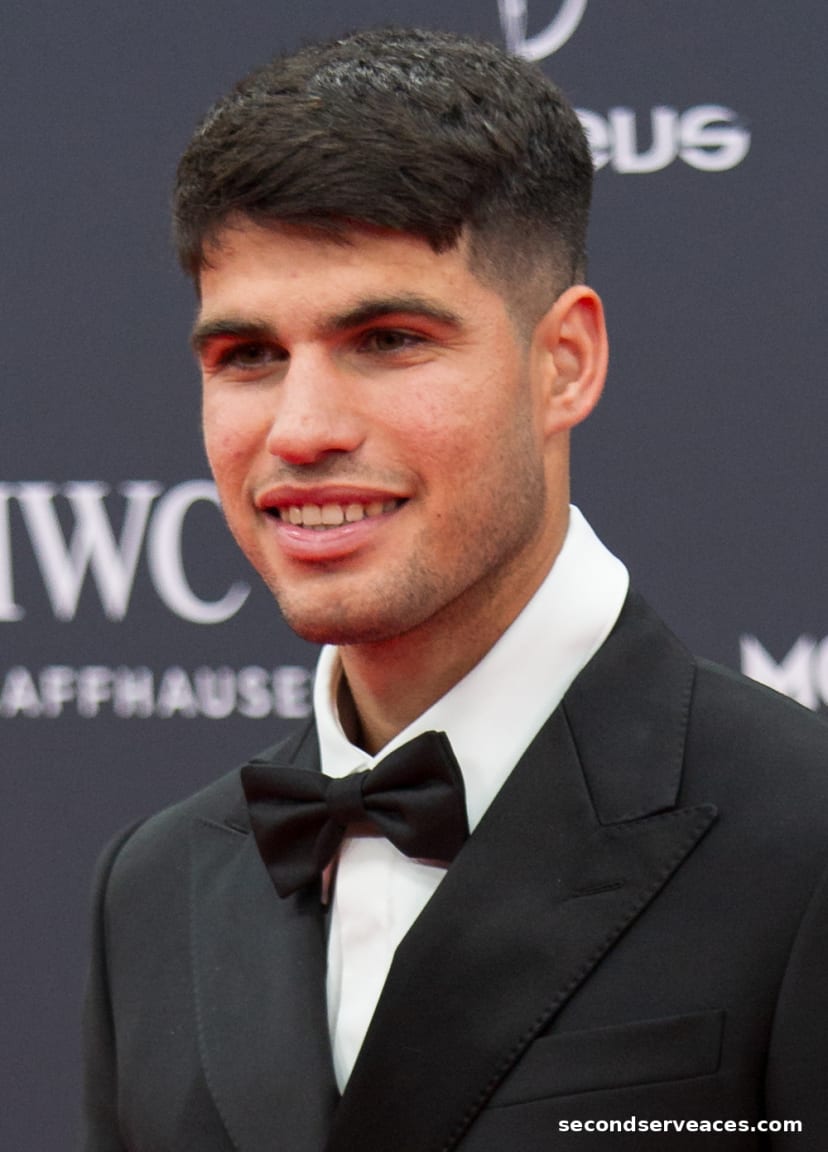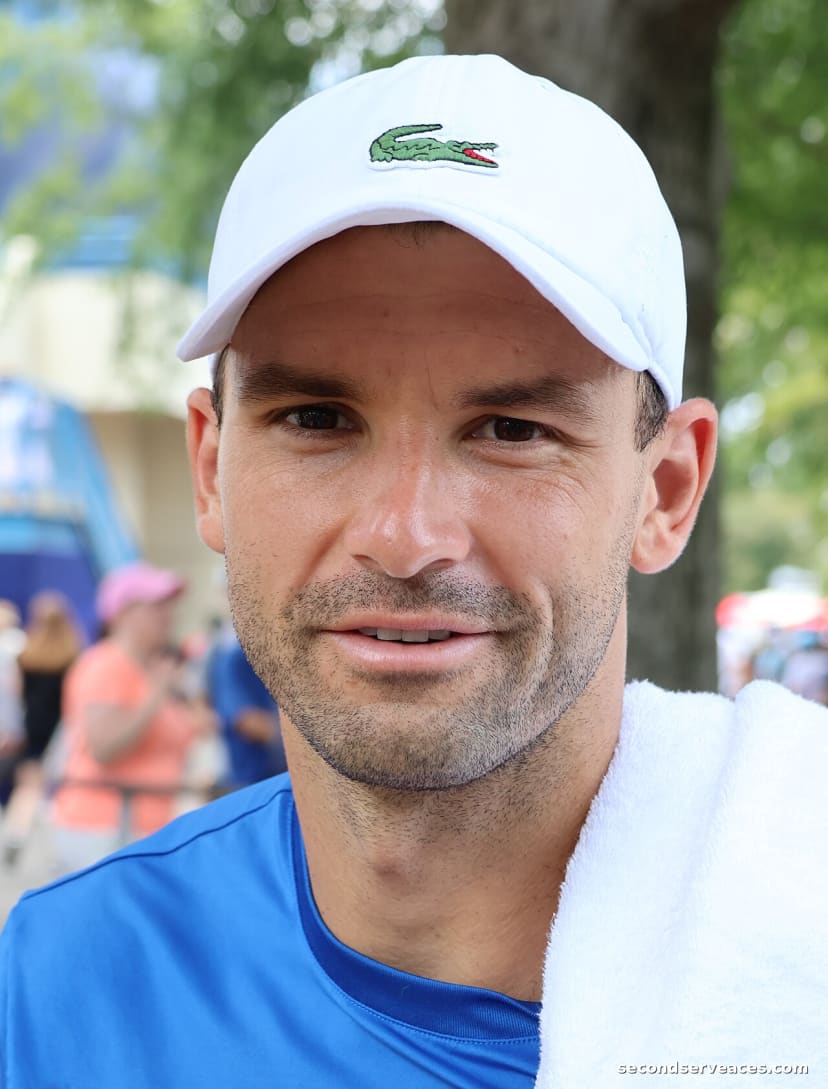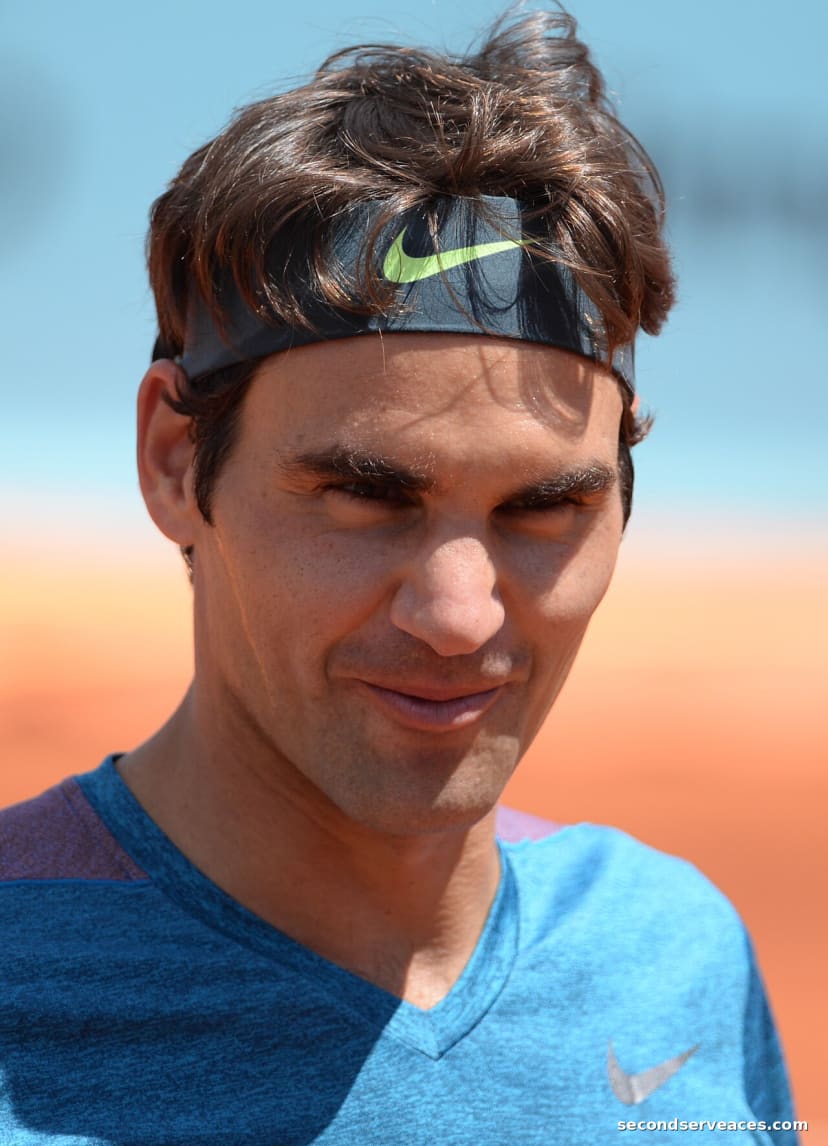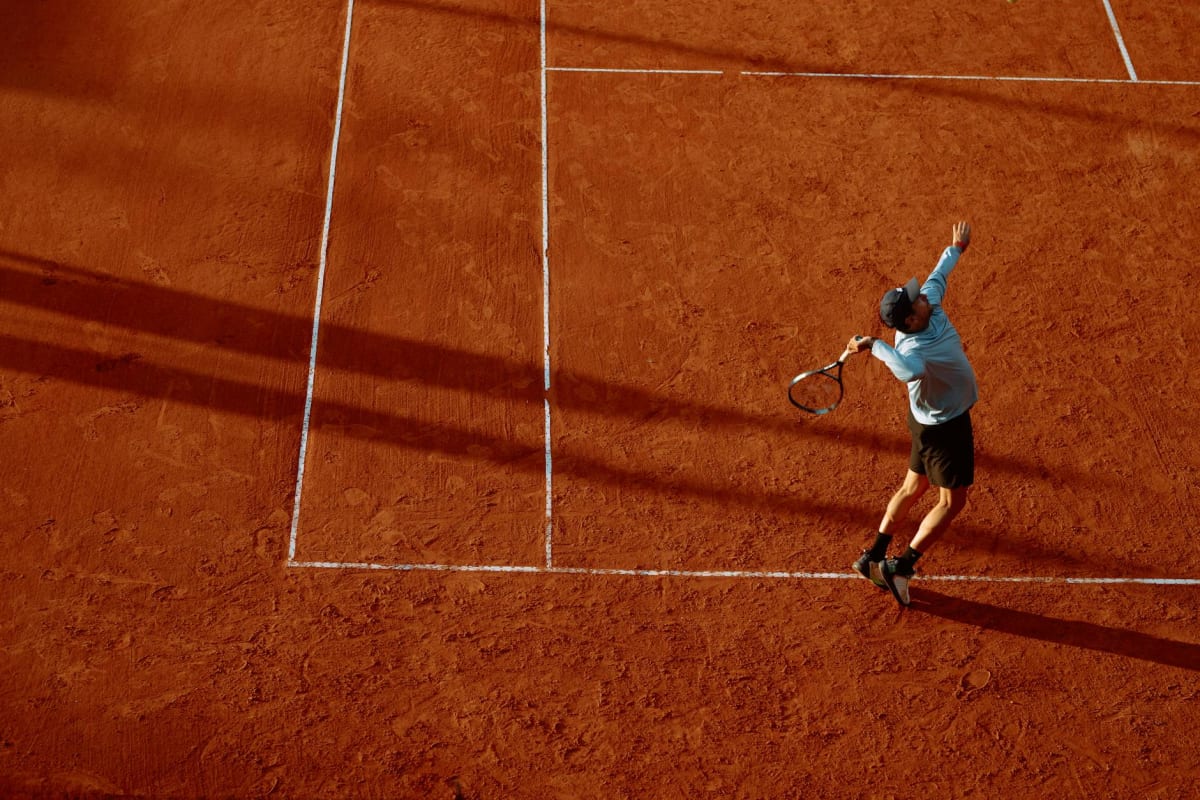
Jannik Sinner’s recent form is not just a statistical anomaly; it is a masterclass in sustained high-level output. Fresh off a dominant straight-sets performance against Sebastian Ofner at the Italian Open, the Italian standout is already recalibrating his focus. Having secured his place in history as the first player to claim four consecutive ATP Masters 1000 titles—sweeping Indian Wells, Miami, Monte-Carlo, and Madrid—Sinner’s ability to navigate the transition between surfaces while maintaining his baseline aggression remains the defining metric of his current season.
Listen to the Second Serve Podcast
Get our daily AI-synthesized audio briefings and match reviews on the go.
During his post-match assessment in Rome, Sinner was remarkably candid about the mental labor required to sustain this level of excellence. The transition to the red dirt of Rome, while physically demanding, hasn't stifled the momentum that saw him dominate the early-season hard-court swing. Sinner acknowledged that managing pre-match doubts is as integral to his victory as his technical execution, treating the psychological burden of being the tour's current benchmark not as a weight, but as a component of his match-day preparation.
The Tactical Horizon: Facing a Red-Hot Popyrin
The draw offers no reprieve, as Sinner now faces the formidable challenge of Alexei Popyrin. Popyrin, the 2024 Canadian Open champion, arrives in this third-round encounter with significant confidence, having dismantled the games of Matteo Berrettini and Jakub Mensik in the preceding rounds. Popyrin’s ability to inject pace from neutral positions will test the depth of Sinner’s defensive coverage and his ability to reset points from the back of the court.
Looking at the historical data via the ATP Tour records, Sinner leads the head-to-head 2-1. However, the surface nuance here—the heavy, tactile clay of Rome—presents a different tactical environment than their previous meetings. Sinner’s capacity to dictate through the middle and force Popyrin into uncomfortable slice transitions will be the key indicator of whether he can dictate the pace or be forced to defend against the Australian's explosive forehand. The match is a fascinating case study in recent-form consistency versus high-ceiling opportunism.
What Jannik Sinner Plays With
Head Speed MP 2024
Head Hawk Touch 1.25
Head Prime Tour (12-Pack)
Nike GP Challenge 1
Analyze Jannik Sinner vs. Sebastian Ofner
Predict tactical adjustments, momentum swings, and serve strategy options for this match-up using our AI simulator.
The Aces Tactical Panel
This report was curated and edited by Bhaskar Goel. Tactical analysis and technical insights were provided by our specialized panel of expert correspondents.
Julian Price
Senior Tactical Correspondent
Stuffy, pedantic British academic and historian specializing in match momentum and historical context.
Elena Cruz
Director of Analytical Research
Data scientist specializing in court surface physics and movement patterns.
Bhaskar
The Editor & Fan
Passionate tennis player and site editor bringing everyday amateur insights and relatable fan commentary.
Arthur Vance
Senior Existential Analyst
Deep, eccentric, and DFW-inspired. Models court metaphysics, kinetic beauty, and player psychology.
Leo Sterling
High-Performance Consultant
Hard-nosed ex-trainer from Melbourne with a no-nonsense view on tour fitness.