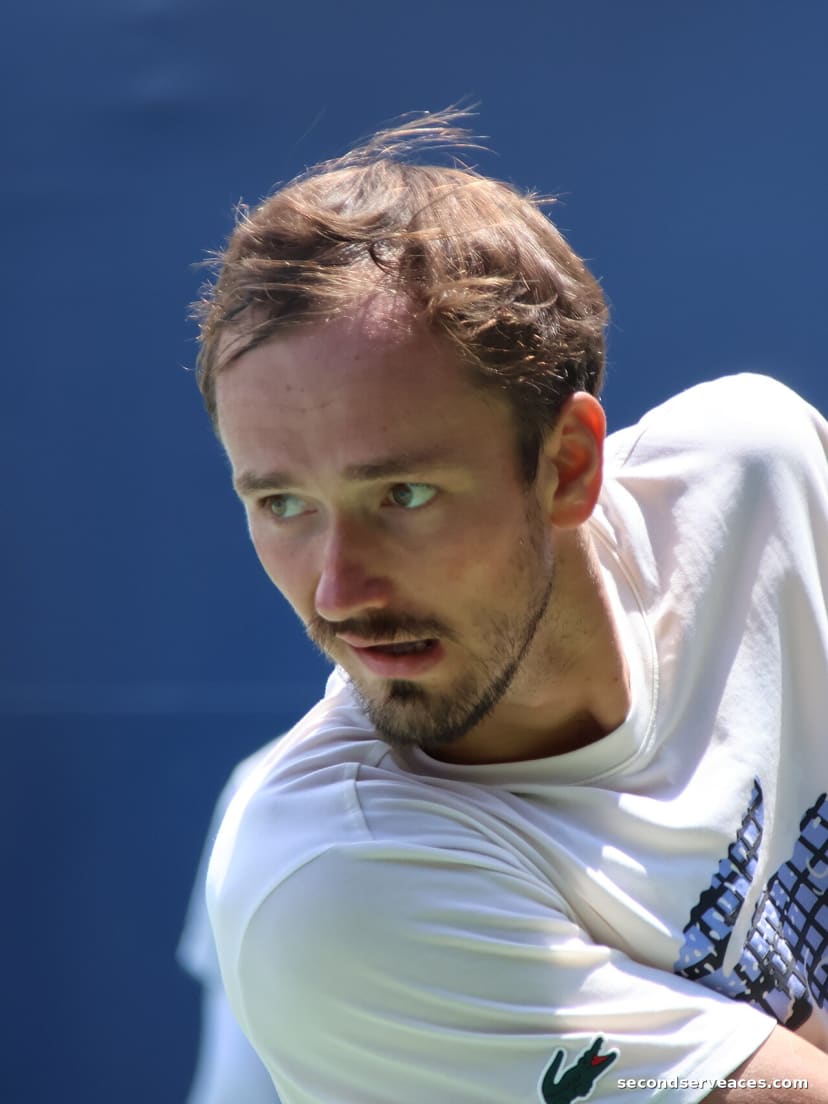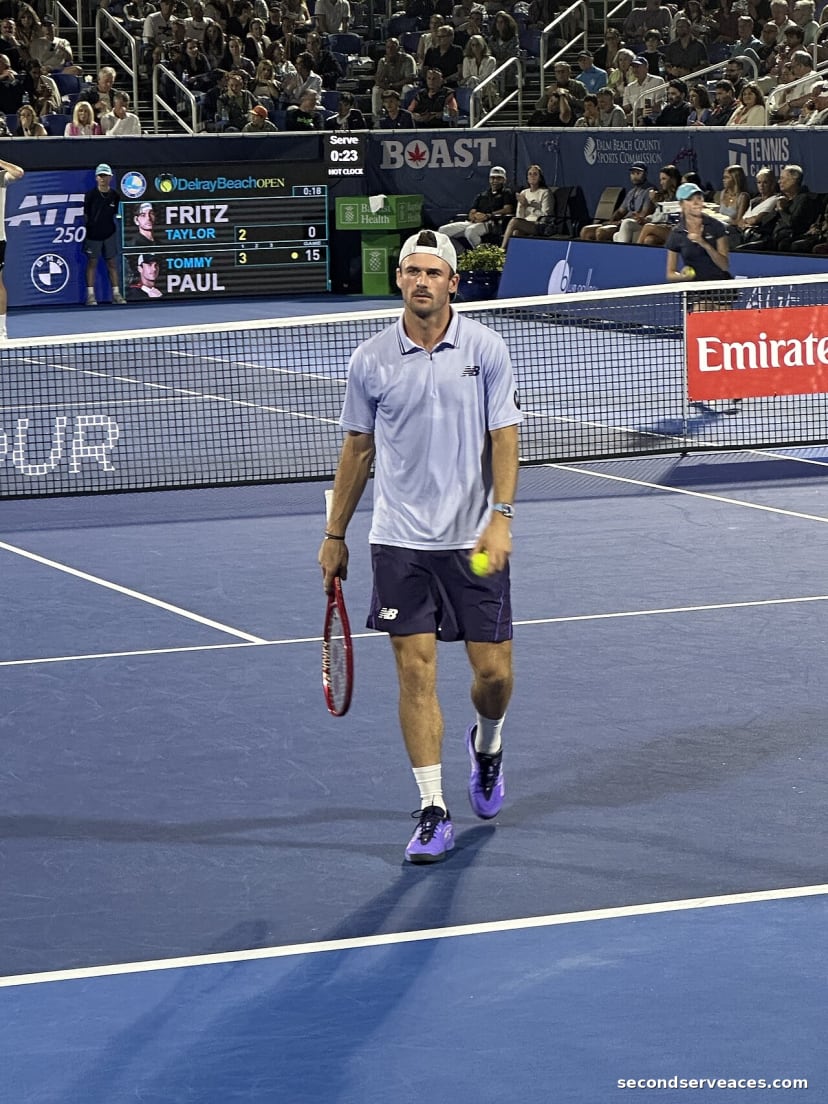
When a player comes back from a chronic issue—especially an arm injury in a sport that demands violent, repetitive kinetic chains—you hold your breath watching their first few tournaments. You look for the wince on the serve. You look for a drop in MPH on the forehand wing. But watching British powerhouse Jack Draper dismantle Francisco Cerundolo 6-1, 7-5 in the third round of Indian Wells, one thing became abundantly clear: the arm is fine, and the rest of the ATP Tour needs to pay attention.
Listen to the Second Serve Podcast
Get our daily AI-synthesized audio briefings and match reviews on the go.
Draper, continuing a wildly impressive return from that aforementioned arm injury, played with the kind of calculated aggression that makes tennis purists salivate. He dictated the terms of engagement from the first ball, securing a straight-sets victory that officially punches his ticket to the last-16. The reward? A blockbuster matchup against world No. 1 Novak Djokovic.
It was a banner day for British tennis in the California desert, as Cameron Norrie also advanced to the next round. Norrie executed a masterclass in rally tolerance, defeating the notoriously fleet-footed Alex de Minaur with a highly efficient 6-4, 6-4 scoreline. But the talk of the Tennis Paradise grounds remains Draper’s blistering performance and what it signals for his impending clash with the Serbian legend.
The Tactical Breakdown
To understand why Draper was able to roll through the first set 6-1 and close out a tighter 7-5 second set against a dangerous clay-court pedigree player like Cerundolo, you have to look at the geometry of the court and the specific conditions of Indian Wells.
Indian Wells is a hard court, but it doesn't play like a lightning-fast indoor surface. The desert air and the gritty Plexipave surface combine to create high-bouncing, slower conditions. This surface demands heavy topspin and the ability to construct points, rather than just blasting opponents off the baseline. Cerundolo possesses a massive, looping forehand that usually thrives in these exact conditions. So, how did Draper neutralize it?
- The Lefty Advantage on the Ad Side: Draper is a master of utilizing his left-handed serve to pull right-handed opponents off the court. By carving his slice serve wide into the Ad court, Draper routinely stretched Cerundolo, forcing him to return from the doubles alley and opening up the entire court for a first-strike forehand.
- Targeting the Cerundolo Backhand: Cerundolo’s forehand is a weapon, but his backhand can be rushed. Draper used his heavy cross-court forehand to pin the Argentine deep in his backhand corner, denying him the opportunity to run around the ball and dictate with his forehand.
- Taking the Ball Early: Coming off an arm injury, the worst thing you can do is let yourself get pushed back, forcing you to generate all your own pace from eight feet behind the baseline. Draper stepped into the court, taking the ball on the rise, borrowing Cerundolo's pace, and rushing the Argentine's swing mechanics.
Meanwhile, Cameron Norrie’s 6-4, 6-4 victory over Alex de Minaur was a different kind of tactical marvel. De Minaur is arguably the fastest player on the ATP Tour, turning defense into offense in the blink of an eye. Norrie combated this by refusing to overplay. Instead of going for low-percentage winners, Norrie used his uniquely flat two-handed backhand to keep the ball low, denying de Minaur the rhythm and waist-high balls he prefers to counter-punch.
The Bigger Picture
For Jack Draper, this third-round victory is far more than just a notch on his belt; it is a profound validation of his rehabilitation. The road back from an arm injury requires grueling patience. It affects the serve, the snap on the forehand, and the psychological confidence to swing freely under pressure. The fact that Draper could step onto the gritty Indian Wells hard courts and swing with such unabashed authority signals that he is not just back to form—he is evolving.
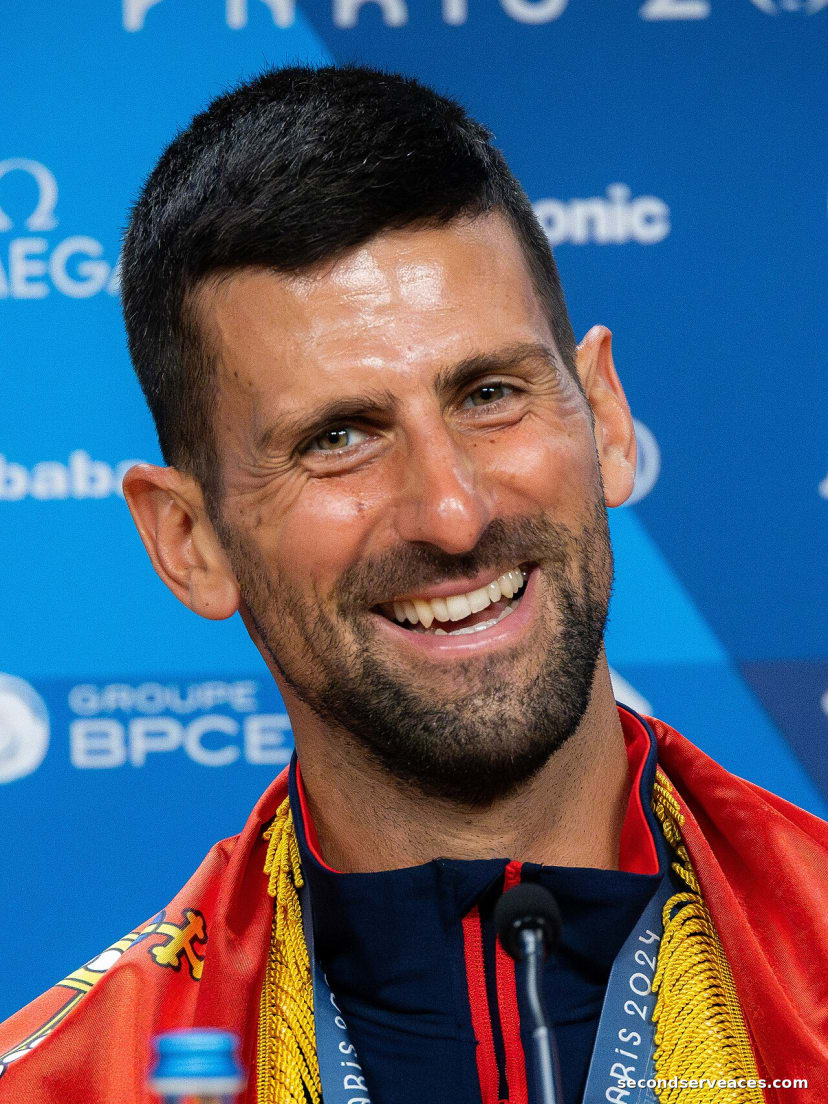
And he will need every ounce of that evolution for his last-16 clash. Draper is set to face Novak Djokovic, marking their first meeting since Draper's unforgettable Wimbledon debut in 2021. For those who need a history lesson, a then-teenage Draper walked onto Centre Court and stunned the tennis world by snatching the first set from Djokovic before the Serbian master found his footing and took the match in four sets.
The stakes, the surface, and the players are entirely different now. Draper is no longer just a talented local wildcard riding the adrenaline of a home crowd on grass; he is a physically imposing, tactically astute ATP professional who has proven he can navigate the brutal physicality of tour-level hard-court tennis. Djokovic, unparalleled in his ability to dissect an opponent's game plan, will undoubtedly test the endurance of Draper’s recovered arm with grueling baseline exchanges and elite depth.
As the desert sun sets on the early rounds of Indian Wells, the narrative shifts from survival to supremacy. If Draper can replicate the pinpoint serving and baseline discipline he showed against Cerundolo, we are in for a tactical chess match of the highest order. British tennis is alive and well in the Coachella Valley, and the real tests are just beginning.
What Novak Djokovic Plays With
Head Speed Pro
Luxilon ALU Power 125
Asics Court FF 3 Novak
Analyze Jack Draper vs. Francisco Cerundolo
Predict tactical adjustments, momentum swings, and serve strategy options for this match-up using our AI simulator.
The Aces Tactical Panel
This report was curated and edited by Bhaskar Goel. Tactical analysis and technical insights were provided by our specialized panel of expert correspondents.
Julian Price
Senior Tactical Correspondent
Stuffy, pedantic British academic and historian specializing in match momentum and historical context.
Elena Cruz
Director of Analytical Research
Data scientist specializing in court surface physics and movement patterns.
Bhaskar
The Editor & Fan
Passionate tennis player and site editor bringing everyday amateur insights and relatable fan commentary.
Arthur Vance
Senior Existential Analyst
Deep, eccentric, and DFW-inspired. Models court metaphysics, kinetic beauty, and player psychology.
Leo Sterling
High-Performance Consultant
Hard-nosed ex-trainer from Melbourne with a no-nonsense view on tour fitness.