The Physical Tax of the Modern Grind
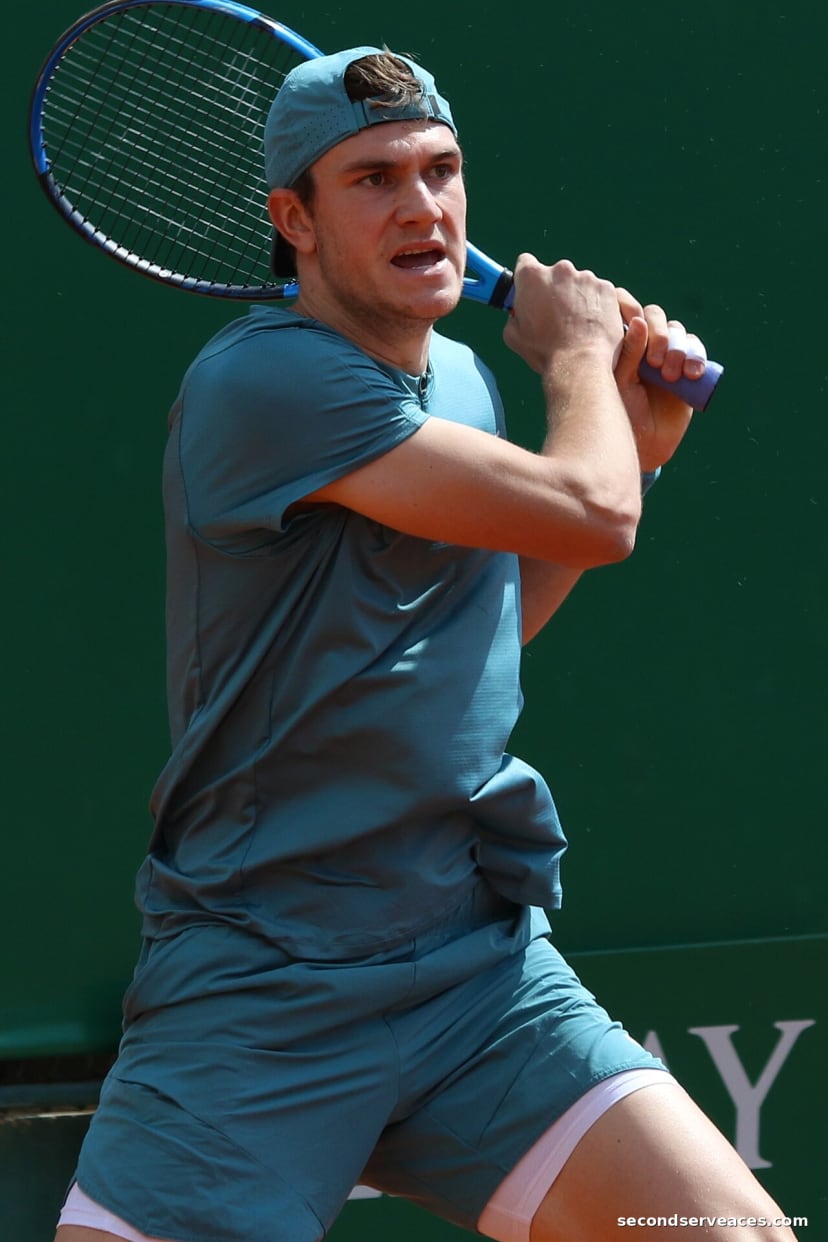
Tennis is a game of attrition, a sport where the body is pushed to its absolute threshold until something inevitably gives. Jack Draper is learning this lesson the hard way. His decision to step away from Roland Garros due to a right knee tendon injury is more than just a missed tournament; it is a reminder of the relentless demand the clay surface places on joints already pushed to the brink.
Listen to the Second Serve Podcast
Get our daily AI-synthesized audio briefings and match reviews on the go.
We saw this before. During the 2025 season, a bone bruise in his left arm stalled his momentum. Now, it is the lower body. When you are operating at the elite level, the margin for error isn't just in your serve placement or your rally tolerance—it is in your biological integrity. Draper’s game is built on power and explosive court coverage, but those very assets are currently his greatest liabilities as he addresses this latest setback.
The mental toll of watching your season interrupted is heavy. It’s a isolationist game; when you aren't on the court, you are watching the ATP Tour move on without you. Draper is now left to focus on rehabilitation, with his sights set on a return at the Stuttgart Open on June 8, 2026. The calendar waits for no one.
Calculating the Cost of the Ranking Slide
The math is cold and unforgiving. Following the conclusion of the Madrid Open, Draper is projected to drift toward world No. 50. This is a far cry from the peak he touched in June 2025, when he reached a career-high ranking of world No. 4. Watching points dissipate while sitting on the sidelines is the most frustrating part of the professional circuit.
A move to the top five requires a relentless, uninterrupted schedule. To drop forty-six spots in the standings is a massive structural hurdle for any player, forcing them back into the grind of early-round draws against qualifiers and lower-seeded threats. It changes the psychology of the draw entirely. Instead of controlling his own destiny as a top seed, he will be hunting for points in the middle of the pack.
Greg Rusedski and other analysts have often highlighted the necessity of consistent health for players with Draper’s aggressive style. When the ranking slides, the path back isn't just about tennis—it’s about the fitness regimen that ensures you don't find yourself in this position again. It’s a reset button that no player ever wants to hit.
The Road Back to the Stuttgart Grass
The transition from the dirt of Paris to the grass in Stuttgart is a tight turnaround for a knee injury. Stuttgart, beginning June 8, is a specific, aggressive target. It shows a player who is eager to reclaim his space, even if the timing is precarious. There is no such thing as an easy recovery, only the one you force yourself through.
He isn't just racing against his opponents; he is racing against his own physiology. Tendon issues are notoriously temperamental. If he rushes, the cycle repeats. If he waits too long, the ranking damage deepens. It is the classic dilemma that defined the careers of so many players I’ve watched over the years—balancing the hunger to compete with the necessity of preservation.
He has shown he can reach the summit, having climbed to the top five last year. That pedigree doesn't vanish because of a knee injury. But the path back to the top of the ATP rankings will require more than just a clean bill of health; it will require the mental fortitude to trust his movement again when the rallies go long and the pressure mounts.
The Unspoken Rivalry with His Own Body
In this sport, the biggest rival isn't Novak Djokovic or Tomas Etcheverry; it’s the guy in the mirror. When you’ve tasted the top five, anything less feels like a regression. Draper is in a phase of career management where every injury becomes a chapter in his legacy. He has to decide whether he is a player who manages his schedule to ensure longevity or one who burns bright until the inevitable snap.
I’ve been around enough locker rooms to know that the silence of an injured player is louder than any cheering crowd. The training room, the ice baths, and the monotonous hours of physical therapy are where careers are actually forged. For Draper, the next month isn't about topspin or court positioning; it’s about slow, measured progress.
We’ll be watching his return closely. The talent is undeniable—we saw it in his climb to world No. 4. Now, we see if he has the discipline to navigate the recovery, protect his knee, and fight his way back into the top tier of the game where he belongs.
What Novak Djokovic Plays With
Head Speed Pro
Luxilon ALU Power 125
Asics Court FF 3 Novak
Analyze Jack Draper vs. Tomas Etcheverry
Predict tactical adjustments, momentum swings, and serve strategy options for this match-up using our AI simulator.
The Aces Tactical Panel
This report was curated and edited by Bhaskar Goel. Tactical analysis and technical insights were provided by our specialized panel of expert correspondents.
Julian Price
Senior Tactical Correspondent
Stuffy, pedantic British academic and historian specializing in match momentum and historical context.
Elena Cruz
Director of Analytical Research
Data scientist specializing in court surface physics and movement patterns.
Bhaskar
The Editor & Fan
Passionate tennis player and site editor bringing everyday amateur insights and relatable fan commentary.
Arthur Vance
Senior Existential Analyst
Deep, eccentric, and DFW-inspired. Models court metaphysics, kinetic beauty, and player psychology.
Leo Sterling
High-Performance Consultant
Hard-nosed ex-trainer from Melbourne with a no-nonsense view on tour fitness.