The Physical Toll of High-Performance Tennis
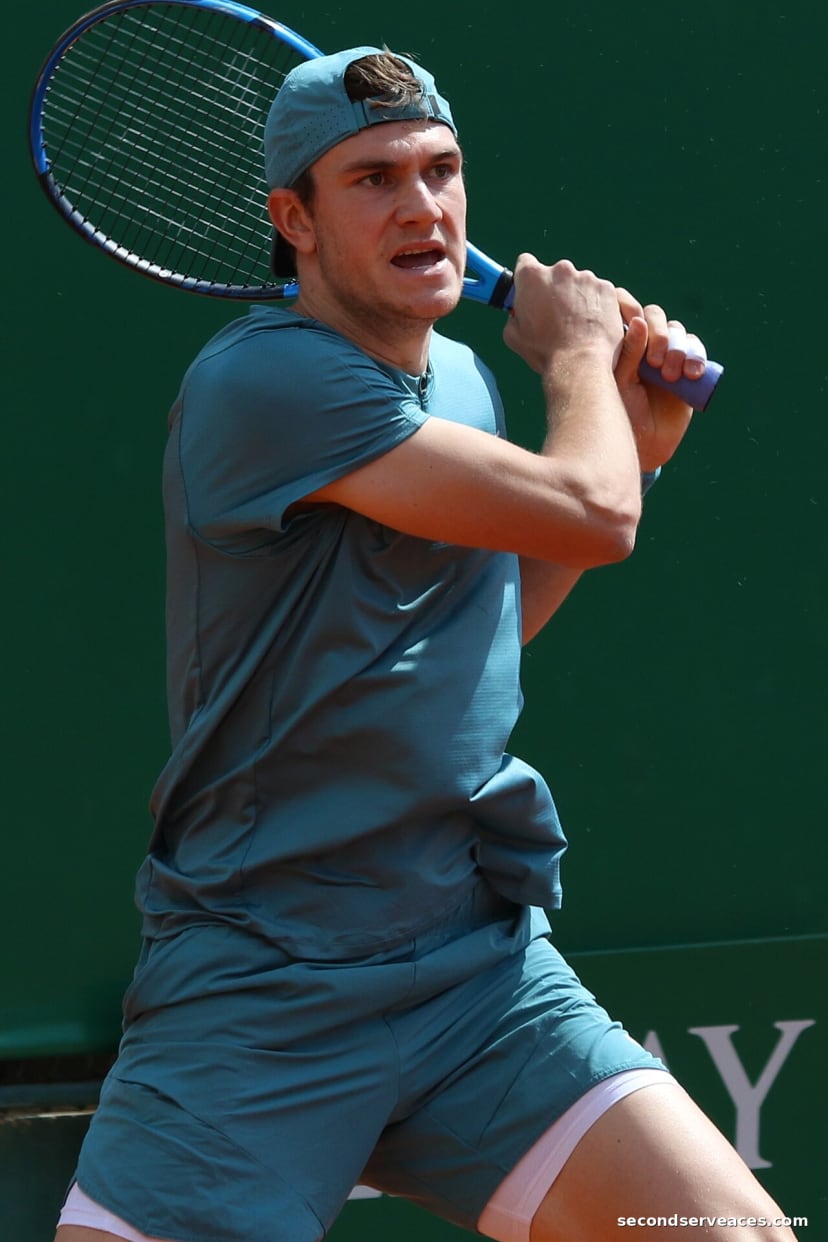
Tennis is a sport that doesn't wait for your knee to heal. It demands everything, every week, or it leaves you behind in the cold, unforgiving dust of the ATP rankings. For Jack Draper, the reality of a recurring knee injury has manifested in the most brutal way imaginable: a forced withdrawal from the French Open. When your engine breaks down, the points don't just stop; they drain away.
Listen to the Second Serve Podcast
Get our daily AI-synthesized audio briefings and match reviews on the go.
Currently sitting at world No. 48, Draper is staring down the barrel of a projected drop to No. 114. That is more than a mere numerical shift; it is a displacement from the comfort of the main draw into the volatility of qualifying draws and challenger circuits. It’s a reminder that the window to greatness is perpetually closing, and injury is the thief that steals your momentum without remorse.
It was less than a year ago that Jack Draper reached a career-high ranking of world number four. To go from that summit to outside the top 100 in such a compressed timeframe is a mental weight that few outside the locker room truly understand. The grind of rehab is often lonelier than the grind of the baseline.
The Arithmetic of Lost Opportunity
The math behind this slide is cold and objective. By missing the Parisian clay, Draper is set to lose approximately 350 ranking points. In the ecosystem of professional tennis, these aren't just digits on a screen—they are the currency required to bypass the grueling qualification rounds that define the early careers of players like Joao Fonseca or Rafael Jodar.
When you account for the missed opportunities to defend points and climb the ladder during this phase of the season, the scope of the damage becomes clear. Every week spent sidelined is a week where the pack moves forward. Legends like Rafael Nadal or Stan Wawrinka have shown us that longevity is a war of attrition, but for a younger player, a sharp drop requires a complete recalibration of their competitive calendar.
Draper’s situation underscores the fragility of a tour-level career. One moment you are trading heavy topspin against the likes of Carlos Alcaraz or Jannik Sinner on the world's biggest stages, and the next, you are navigating the administrative nightmare of ranking points evaporating while watching the tour from a physiotherapy table.
Defining the Comeback Arc
Re-entering the top 100 is not about talent—Draper has proven he belongs there. It is about the tactical patience required to build match fitness without inviting further injury. Returning too soon is a trap that has derailed many careers; waiting too long can lead to a loss of that essential match-hardened edge that only high-intensity points can provide.
The mental aspect of this transition cannot be overstated. When you’ve tasted the top five, playing on outside courts in qualifying rounds serves as a harsh psychological test. It demands a level of focus that is often harder to summon when you aren't playing in front of a packed stadium under the lights.
We’ve seen the pendulum swing back for many, but the climb back to the upper echelons of the sport is never a linear progression. It’s a series of small, agonizing steps—a practice set here, a tie-break win there—before the real rhythm of competition returns. The question now isn't just about the knee; it’s about how quickly Draper can find his center again.
The Road Through the Rankings Vacuum
As the tour turns its attention to Roland-Garros, the absence of a player of Draper's caliber changes the dynamic of the draw. It creates space for others to surge, but for the man himself, the focus is entirely internal. There is no prestige in a ranking slide; there is only the work that remains to be done.
The next few months will define whether this dip is a temporary chapter or a pivot point. The pressure to perform will be replaced by the pressure to simply survive the qualification brackets. It is a crucible that strips away the ego and leaves only the bare, essential need to compete.
Ultimately, professional tennis is a marathon played at a sprinter's pace. Jack Draper’s career trajectory has hit a significant hurdle, but the history of the sport is paved with players who fell only to rise again with a sharper focus and a harder edge. He has the game; now he just needs the time.
What Carlos Alcaraz Plays With
Babolat Pure Aero 98
Babolat RPM Blast 1.30
Nike Vapor Pro 2
Analyze Jack Draper vs. Rafael Jodar
Predict tactical adjustments, momentum swings, and serve strategy options for this match-up using our AI simulator.
The Aces Tactical Panel
This report was curated and edited by Bhaskar Goel. Tactical analysis and technical insights were provided by our specialized panel of expert correspondents.
Julian Price
Senior Tactical Correspondent
Stuffy, pedantic British academic and historian specializing in match momentum and historical context.
Elena Cruz
Director of Analytical Research
Data scientist specializing in court surface physics and movement patterns.
Bhaskar
The Editor & Fan
Passionate tennis player and site editor bringing everyday amateur insights and relatable fan commentary.
Arthur Vance
Senior Existential Analyst
Deep, eccentric, and DFW-inspired. Models court metaphysics, kinetic beauty, and player psychology.
Leo Sterling
High-Performance Consultant
Hard-nosed ex-trainer from Melbourne with a no-nonsense view on tour fitness.