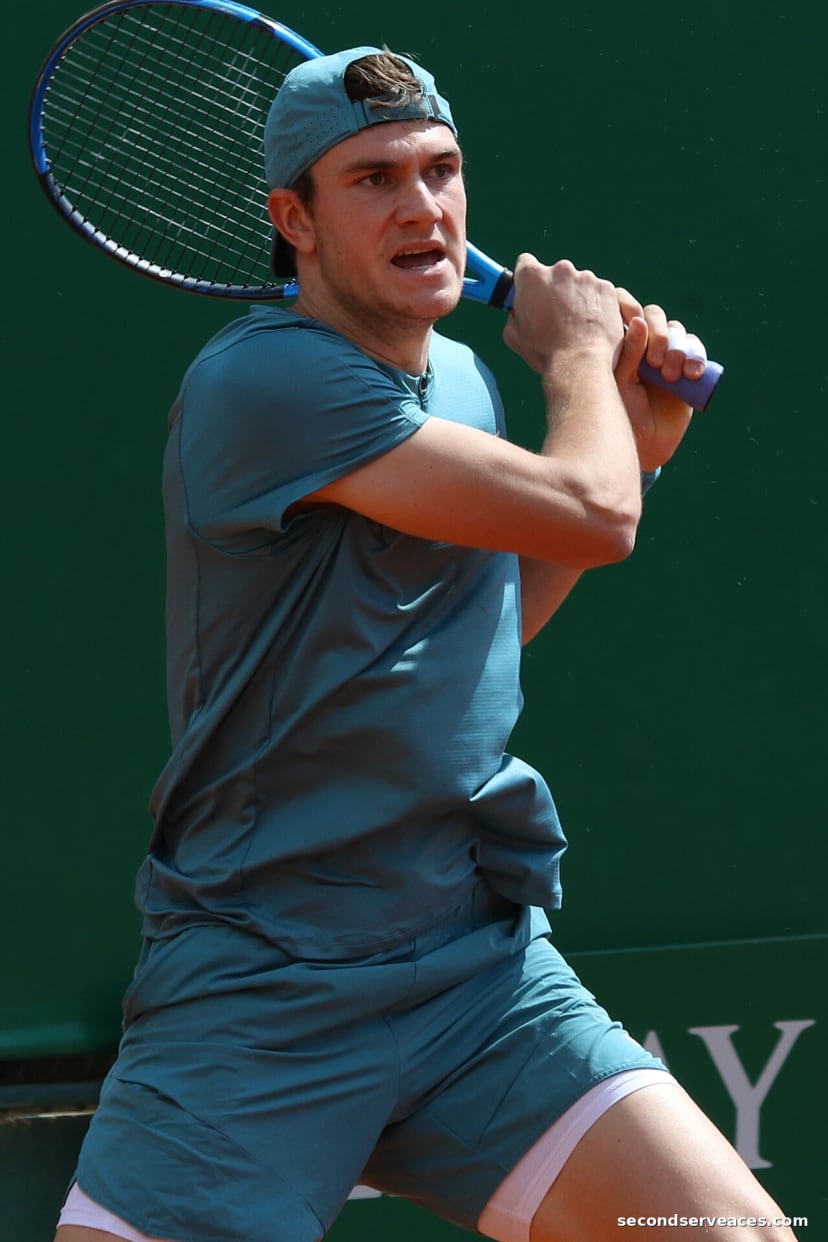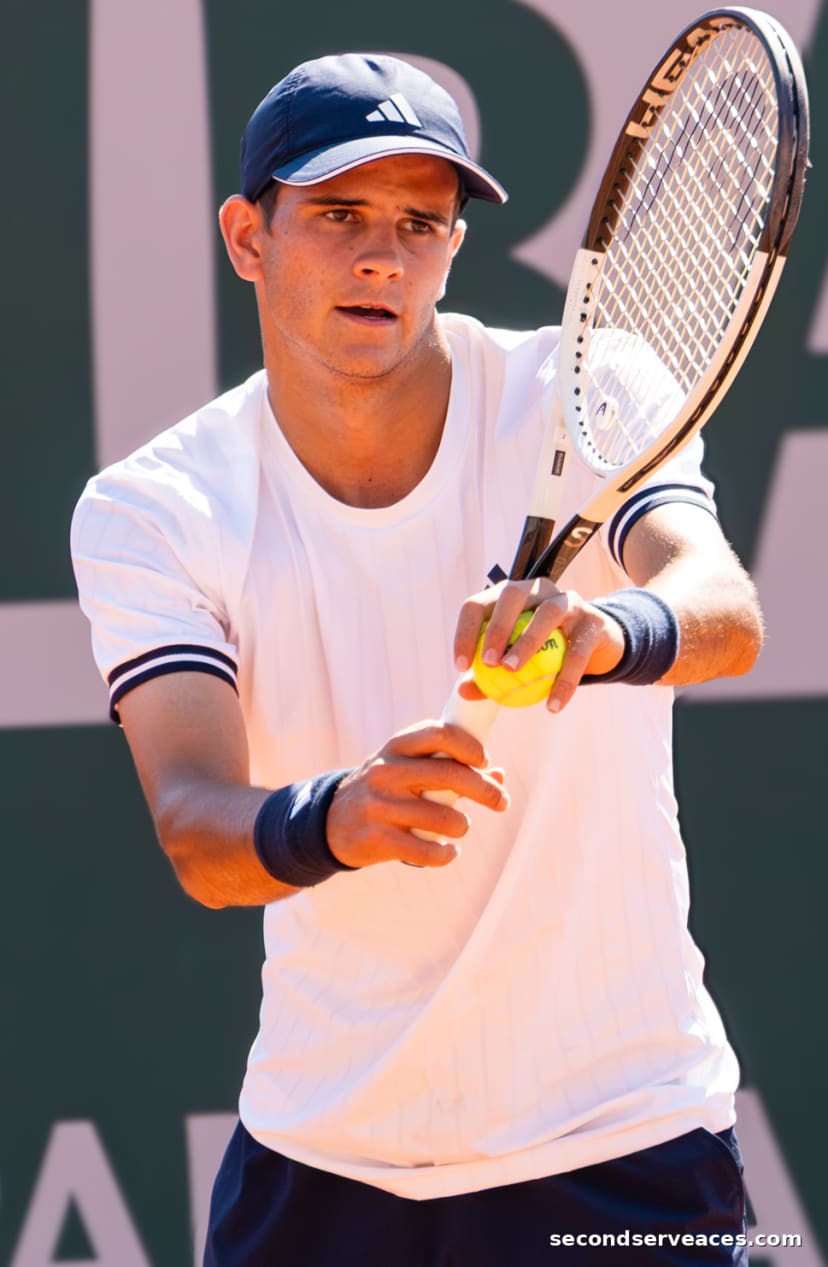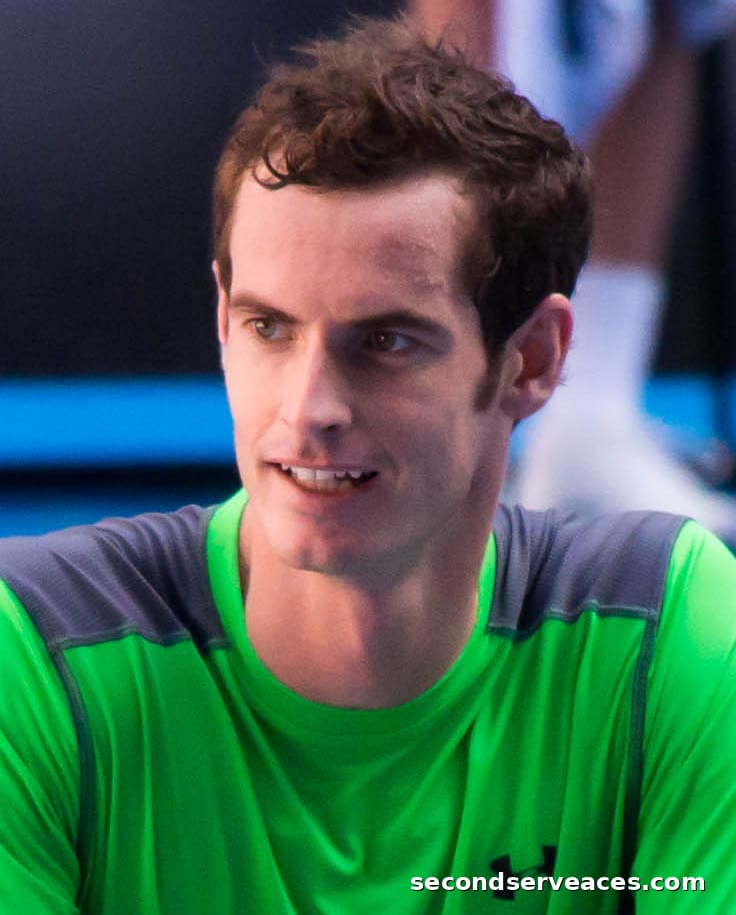
There is a specific kind of suffocation that occurs when you play a tour-level server who is having a career day. You can breathe, but you cannot swing. You have a racket, but it feels distinctly like a toothpick. That was precisely the reality for Jack Draper, who absorbed a brutal 7-6 (3), 7-6 (0) defeat at the hands of Reilly Opelka in the second round of the Miami Open. The American arrived on the stadium court with heavy artillery in tow, fundamentally removing the racket from the young Brit's hands.
Listen to the Second Serve Podcast
Get our daily AI-synthesized audio briefings and match reviews on the go.
Walking into a second-round match at a Masters 1000 event, players generally expect to find their rhythm, trade some baseline blows, and test their topspin against the gritty Laykold surface. Opelka had absolutely no interest in engaging in that kind of tennis. Instead, he systematically dismantled Draper's defensive structures, terminating points before the rally could even begin.
Let us look squarely at the raw facts of the encounter. Opelka generated a staggering 25 aces over just two sets. Complementing that aerial bombardment, he struck 47 total winners. When a player logs nearly fifty clean winners in a match completely devoid of a third set, the baseline geometry of the sport has been violently rewritten. For Draper, this second-round exit is a harsh lesson in the realities of first-strike tennis and the psychological toll of tiebreak pressure.
The Tactical Breakdown
Facing an opponent who eclipses the seven-foot mark requires an entirely altered approach to return positioning and split-step timing. Opelka’s contact point on the serve sits impossibly high, meaning the ball is traveling on a steep downward trajectory that clears the net by mere inches but explodes violently upward upon contacting the hard court. Draper, a left-hander who typically relies on heavy topspin and a proactive forehand to dictate match momentum, was utterly starved of neutral balls.
To understand the mechanics of this victory, we have to look closely at Opelka’s execution in the crucial moments, particularly the tiebreaks. A 7-0 scoreline in the second-set tiebreak is a rare and punishing occurrence at the elite professional level. It represents total tactical execution by the victor and a complete collapse of defensive resistance from the loser.
First-Strike Execution and Court Geometry
Opelka did not just hit the ball hard; he hit it smartly. His staggering tally of 47 winners indicates a strict adherence to a plus-one strategy. Here is how he dismantled the left-hander's defenses:
- The Wide Serve to the Ad Court: Against a left-handed player like Draper, the wide serve on the ad side targets the backhand. However, due to Opelka's sheer height, the angle created pulls the returner almost into the doubles alley, opening up the entire expanse of the court for a simple, flat put-away winner on the second shot.
- Strangling the Rally Tolerance: Draper thrives when he can drag his opponent side-to-side, utilizing his heavy topspin to push them deep behind the baseline. Opelka refused to retreat. By stepping in and flattening out his groundstrokes, the American shortened the points, keeping Draper's rally tolerance completely untested.
- Tiebreak Aggression: In a tiebreak, the margin for error evaporates. Opelka’s ability to secure the first set 7-6 (3) laid the psychological groundwork for the 7-0 demolition in the second. He hit his spots with zero hesitation, leveraging the heavy conditions of Miami to force Draper into rushed, off-balance blocks rather than full, fluid swings.
Draper's typical strategy of standing deep to buy time against big servers clearly misfired here. When a serve is arriving with that much velocity and spin, standing further back simply allows the ball's outward trajectory to push the returner wider and wider, compromising court positioning before the first groundstroke is even struck.
The Bigger Picture
This match forces a conversation about the enduring power of the unreturnable serve in modern tennis. We spend endless hours analyzing baseline patterns, drop shots, and the evolution of the two-handed backhand, but raw, unadulterated power remains the ultimate equalizer on the ATP Tour.
For Jack Draper, this second-round defeat is a bitter pill to swallow in Miami, a tournament where the lively conditions generally suit his aggressive, left-handed baseline game. Historically, young players with Draper's massive upside must endure these specific kinds of losses to learn the dark arts of returning against the tour's true giants. He will need to return to the practice court and drill the mechanics of blocking the ball early, perhaps studying how veterans like Novak Djokovic or Andy Murray utilize a condensed swing and forward momentum to neutralize similar ballistic servers.
On the other side of the net, Opelka’s performance is a stark reminder of his ceiling. When he lands his first serve with this level of precision and backs it up with aggressive, uncompromising baseline strikes, he is a nightmare draw for anyone on the circuit. Hard courts exacerbate his strengths, allowing the ball to skid quickly through the strike zone. If he can maintain this physical resilience and keep his winner count hovering near the 50-mark, his trajectory through the remainder of the hard-court swing will be perilous for top seeds.
Ultimately, this 7-6 (3), 7-6 (0) encounter was not a battle of attrition; it was a shootout. Opelka drew first, struck hardest, and utilized a textbook understanding of court geometry to dictate every single term of the engagement. The numbers speak for themselves, but the tactical execution on the blue courts of Miami told the real story.
Essential Matchday Add-Ons
Tournament-tested accessories and high-frequency consumables every competitive player keeps in their bag.
Tourna Grip Original Dry Feel Overgrip (10-Pack)
4.8 ★ (12,000+ reviews)
The gold standard for sweaty hands. Proprietary dry feel absorbs moisture better as play intensifies.
Luxilon ALU Power 125 Silver String Set
4.9 ★ (3,500+ reviews)
Unrivaled control and spin potential used by over 50% of the ATP Top 100 players.
Babolat Custom Damp Vibration Dampener (2-Pack)
4.7 ★ (4,200+ reviews)
Customizable dampening with removable central O-ring for fine-tuning court feedback and sound.
Penn Championship Extra Duty Tennis Balls (4-Can Pack)
4.7 ★ (8,900+ reviews)
Official ball of USTA League Tennis with extra-duty felt designed for abrasive hard courts.
Analyze Jack Draper vs. Reilly Opelka
Predict tactical adjustments, momentum swings, and serve strategy options for this match-up using our AI simulator.
The Aces Tactical Panel
This report was curated and edited by Bhaskar Goel. Tactical analysis and technical insights were provided by our specialized panel of expert correspondents.
Julian Price
Senior Tactical Correspondent
Stuffy, pedantic British academic and historian specializing in match momentum and historical context.
Elena Cruz
Director of Analytical Research
Data scientist specializing in court surface physics and movement patterns.
Bhaskar
The Editor & Fan
Passionate tennis player and site editor bringing everyday amateur insights and relatable fan commentary.
Arthur Vance
Senior Existential Analyst
Deep, eccentric, and DFW-inspired. Models court metaphysics, kinetic beauty, and player psychology.
Leo Sterling
High-Performance Consultant
Hard-nosed ex-trainer from Melbourne with a no-nonsense view on tour fitness.