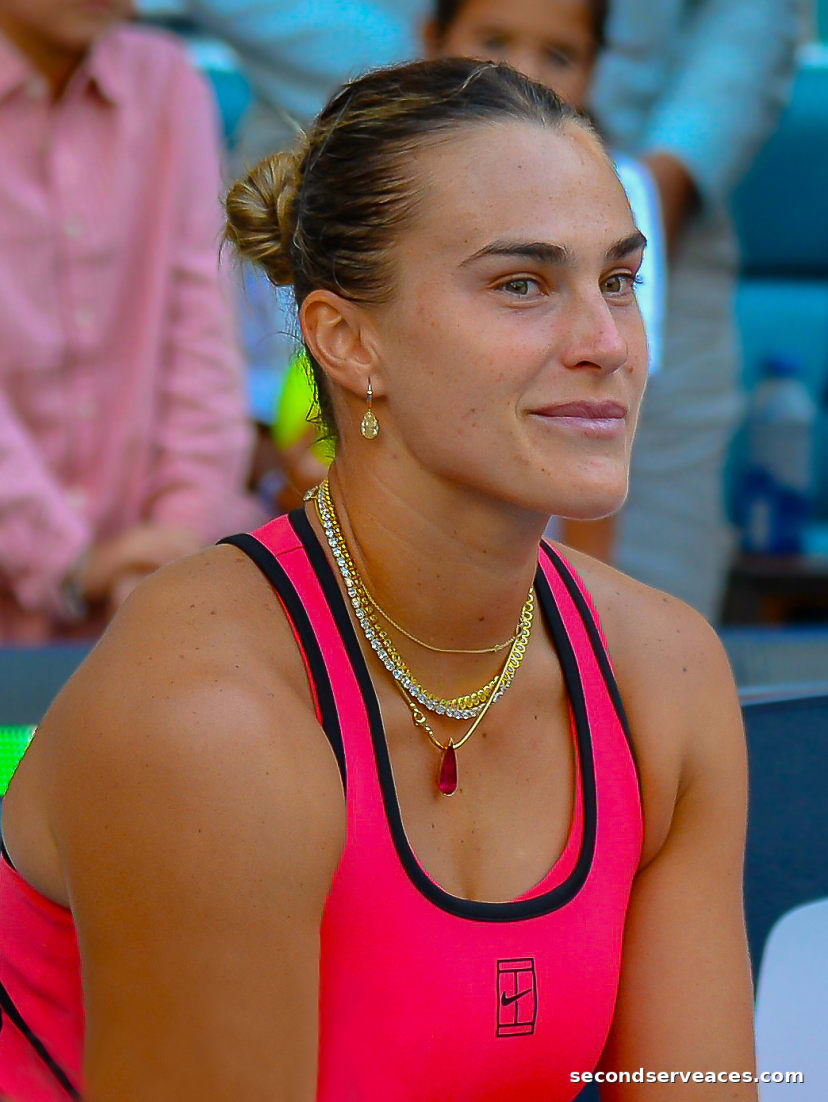
The End of a Championship Era
The coaching carousel in professional tennis has taken a sharp turn. Iga Swiatek and Wim Fissette have officially concluded their partnership, closing a chapter that yielded three WTA titles, most notably the 2025 Wimbledon Ladies’ Singles crown. This transition, while abrupt to the casual observer, was part of a calculated, long-term deliberative process for Swiatek, which she reportedly initiated during the tournament in Doha.
Listen to the Second Serve Podcast
Get our daily AI-synthesized audio briefings and match reviews on the go.
The Tactical Breakdown
When you analyze a player of Swiatek’s caliber, you aren't just looking at ball speed; you’re looking at court geometry and rally tolerance. Swiatek’s game relies on heavy topspin to push opponents behind the baseline, effectively shrinking the court for them. However, high-level success requires constant recalibration of serve placement and, more importantly, the transition game.
Under Fissette, we saw a refinement in her willingness to approach the net. Tactical efficiency at the professional level is often determined by the ability to shorten points when the court opens up. For Swiatek, the next coaching hire will likely be evaluated on their ability to integrate a more varied offensive repertoire—specifically the ability to dictate from the mid-court without over-committing. Her next partner will need to address:
- Baseline Sovereignty: Maintaining her relentless heavy-spin depth while integrating flatter, more penetrating angles.
- The Second Serve Aggression: Ensuring that as a top-tier returner, she doesn't concede ground during her own service games.
- Mental Reset: The transition away from a major-winning coach requires a mental shift to prevent rhythm stagnation.
The Bigger Picture
This news ripples through the WTA tour alongside other coaching departures, including Amanda Anisimova’s split from Hendrik Vleeshouwers. Anisimova, at 24 and coming off a 2025 season where she climbed to world No. 18, represents a different kind of coaching necessity—stability and consistency to sustain a ranking push. For Swiatek, the challenge is different: she is defending her status at the very top of the game, a position that historically makes coaching changes high-stakes maneuvers.
History tells us that players at this level rarely make these changes without a clear, tactical vision for the future. Whether looking to the legacy of mentors like Kim Clijsters or the tactical evolution seen in players like Naomi Osaka, Swiatek is clearly prioritizing a long-term strategic fit over short-term results. The 2026 season is still in its infancy, and how she manages this coaching vacuum will dictate her trajectory through the upcoming major hard court stretch.
What Iga Swiatek Plays With
Tecnifibre Tempo 298 Iga
Tecnifibre Razor Code 1.25
Tecnifibre Pro Contact Overgrip
Analyze Iga Swiatek vs. Wim Fissette
Predict tactical adjustments, momentum swings, and serve strategy options for this match-up using our AI simulator.
The Aces Tactical Panel
This report was curated and edited by Bhaskar Goel. Tactical analysis and technical insights were provided by our specialized panel of expert correspondents.
Julian Price
Senior Tactical Correspondent
Stuffy, pedantic British academic and historian specializing in match momentum and historical context.
Elena Cruz
Director of Analytical Research
Data scientist specializing in court surface physics and movement patterns.
Bhaskar
The Editor & Fan
Passionate tennis player and site editor bringing everyday amateur insights and relatable fan commentary.
Arthur Vance
Senior Existential Analyst
Deep, eccentric, and DFW-inspired. Models court metaphysics, kinetic beauty, and player psychology.
Leo Sterling
High-Performance Consultant
Hard-nosed ex-trainer from Melbourne with a no-nonsense view on tour fitness.