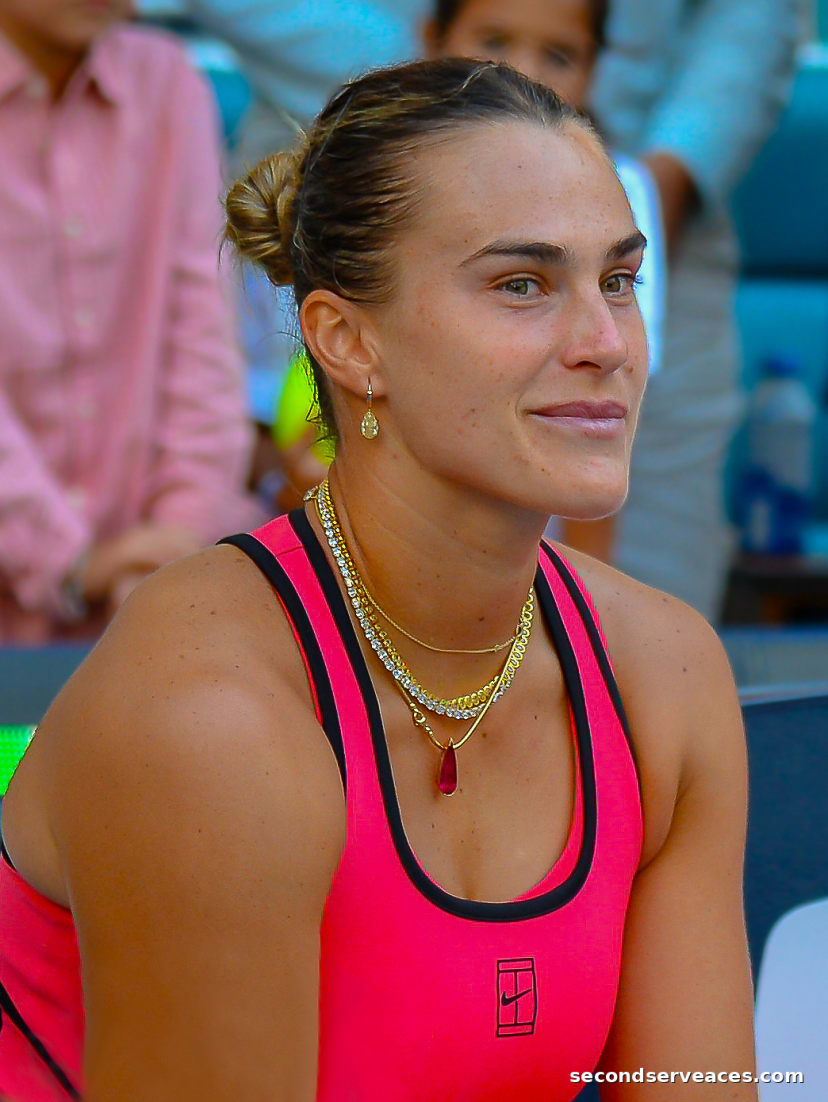
In the high-stakes theater of professional tennis, the body is a temperamental instrument—a collection of levers, fulcrums, and biological impulses that must remain in near-perfect homeostasis to survive the rigors of a tour schedule. For Iga Swiatek, the recent swing through the Madrid Open was less a competition and more a physical negotiation, culminating in a mid-match retirement against Ann Li. It was a stark, jarring reminder that even the most metronomic baseline engines are susceptible to the vagaries of viral interference.
Listen to the Second Serve Podcast
Get our daily AI-synthesized audio briefings and match reviews on the go.
The withdrawal, while necessary for the preservation of a career arc, introduced a brief but profound silence into her 2026 campaign. With a current win-loss record of 2–2 between Stuttgart and Madrid, the momentum has been stifled, forcing a recalibration of both expectations and physical output. The transition to the red dust of Rome is now the primary objective, a place where Swiatek has historically found a rhythmic sanctuary.
The Roman Provenance of a Three-Time Champion
Rome, in the Italian Open, represents a specific psychological geometry for Swiatek. Having secured titles there in 2021, 2022, and 2024, she arrives at the Foro Italico not merely as a participant, but as a tenant of the surface’s legacy. The clay here—slower, more tactile than the surface in Madrid—demands a different kind of patience, one that aligns with Swiatek’s heavy-topspin philosophy.
Entering this year’s tournament as the fourth seed, she is granted the luxury of a bye into the second round. This temporal reprieve is perhaps the most vital tool in her current arsenal. It allows for the gradual easing of the physical symptoms that plagued her in Spain, providing a narrow, critical window for her team to refine her preparation away from the intensity of the opening-day grind.
The Francisco Roig Coaching Transition
Central to this process is the evolving technical partnership with Francisco Roig. In a sport where the exchange of information between player and coach must be precise and instantaneous, the transition to Roig’s methodology marks a departure from Swiatek’s previous tactical norms. It is a period of adjustment that requires intellectual rigor from both parties as they attempt to map a new trajectory for her point construction.
Roig brings a distinct, veteran perspective on movement and shot selection that is likely being tested during these turbulent weeks. For an elite athlete, the coach serves as an anchor during storms of illness and inconsistent results. Their collaborative work, hidden from the public glare, is focused on ensuring that when Swiatek stands at the baseline in Rome, her tactical clarity matches her innate athleticism.
Refining the Physical Architecture
The broader WTA field remains a crowded, dangerous landscape, with names like Aryna Sabalenka and Elena Rybakina looming as constant variables in the draw. Yet, Swiatek’s internal focus is currently absolute. The aim is not to chase previous iterations of her own form, but to construct a sustainable path through the 2026 season that acknowledges the fragility of the human form.
As she steps back onto the clay, the focus remains on the microscopic details of the game: the contact point, the depth of the approach, and the conservation of kinetic energy. The Italian Open provides the ideal backdrop for this reset—a tournament that rewards consistency, temperament, and the ability to endure. Whether the illness of Madrid remains a mere footnote or a defining pivot point for her season remains to be seen in the coming days of competition.
What Iga Swiatek Plays With
Tecnifibre Tempo 298 Iga
Tecnifibre Razor Code 1.25
Tecnifibre Pro Contact Overgrip
Analyze Iga Swiatek vs. Ann Li
Predict tactical adjustments, momentum swings, and serve strategy options for this match-up using our AI simulator.
The Aces Tactical Panel
This report was curated and edited by Bhaskar Goel. Tactical analysis and technical insights were provided by our specialized panel of expert correspondents.
Julian Price
Senior Tactical Correspondent
Stuffy, pedantic British academic and historian specializing in match momentum and historical context.
Elena Cruz
Director of Analytical Research
Data scientist specializing in court surface physics and movement patterns.
Bhaskar
The Editor & Fan
Passionate tennis player and site editor bringing everyday amateur insights and relatable fan commentary.
Arthur Vance
Senior Existential Analyst
Deep, eccentric, and DFW-inspired. Models court metaphysics, kinetic beauty, and player psychology.
Leo Sterling
High-Performance Consultant
Hard-nosed ex-trainer from Melbourne with a no-nonsense view on tour fitness.