A Swift Transition
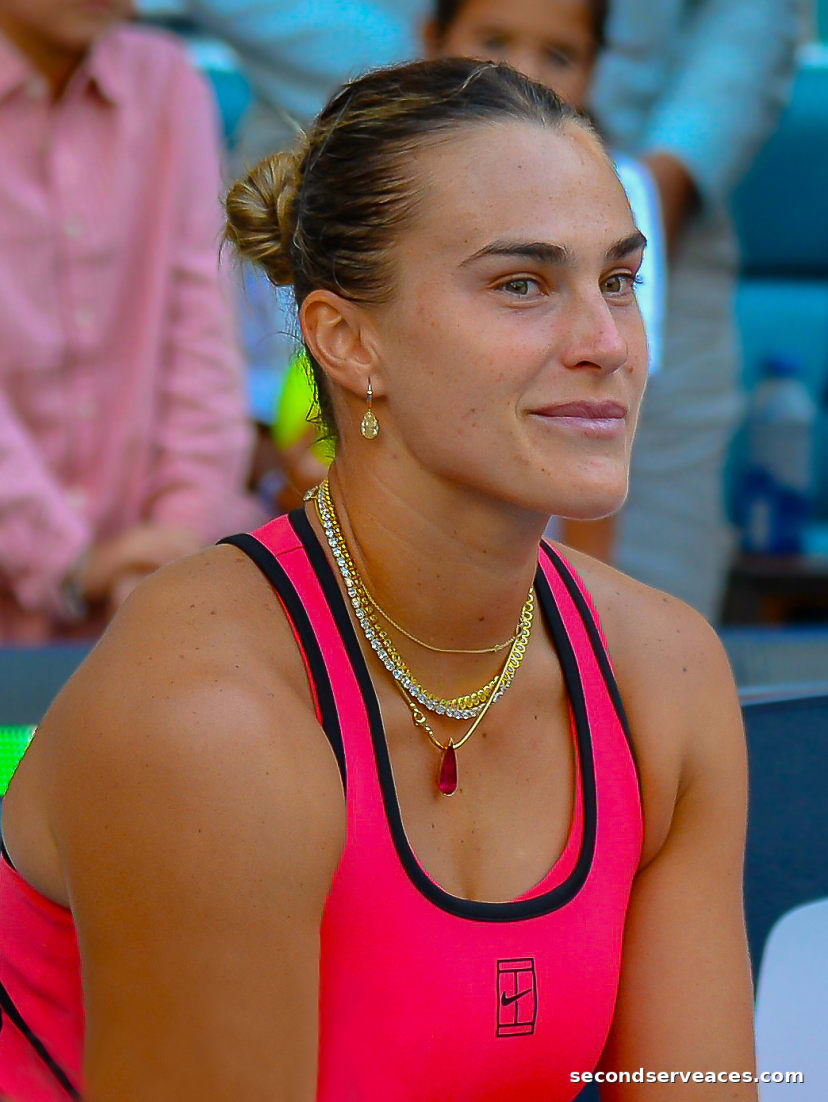
In the high-stakes world of professional tennis, ten days is an eternity. It is the difference between momentum and stagnation. Following her departure from Wim Fissette, Iga Swiatek has moved with characteristic decisiveness, appointing Francisco Roig as her new head coach. This isn't just a coaching change; it’s a recalibration of the focus required to sustain excellence at the pinnacle of the sport.
Listen to the Second Serve Podcast
Get our daily AI-synthesized audio briefings and match reviews on the go.
While Fissette pivots his attention to the Belgian Billie Jean King Cup team—a squad he has steered to five consecutive victories—Swiatek is clearly looking for a fresh lens on her own game. The coaching carousel on the WTA tour is currently spinning at breakneck speed, highlighted by Amanda Anisimova ending her partnership with Hendrik Vleeshouwers following the Miami Open. The instability in coaching boxes is a quiet reminder that even the greats are constantly searching for that one percent of clarity.
The Tactical Breakdown
When you bring a coach like Roig into the fold, you are looking for more than just technical tweaks. You are looking for a philosophy. Swiatek’s game is built on a foundation of intense court coverage and high-RPM spin. Historically, her success is predicated on dictating from the center, using the court geometry to force short balls, and then closing the distance.
Tactically, Roig’s influence will likely focus on:
- Rally Tolerance vs. Aggression: Navigating the fine line between heavy, safe patterns and aggressive, finish-it-now tennis.
- Serve Placement Geometry: refining her toss and placement to avoid the vulnerability of predictable second serves under pressure.
- Net Approach Frequency: Moving away from the baseline, which is essential if she intends to stay ahead of an increasingly deep and aggressive WTA field.
The Bigger Picture
The upcoming Billie Jean King Cup tie in Ostend on April 10 and 11 remains a point of intrigue, even as the U.S. squad grapples with a significant roster vacuum. The absence of heavy hitters like Coco Gauff, Jessica Pegula, Amanda Anisimova, and Madison Keys from the American side changes the narrative of the event entirely. It reflects a modern reality where the physical toll of the tour makes national duty a complex logistical negotiation.
For Swiatek, this transition is about longevity. We’ve seen legendary figures like Roger Federer and Andy Murray constantly refine their teams to stave off the plateau. Whether it's the tactical guidance once provided by Tomasz Witkorowski or the specialized insights of a veteran coach like Kim Clijsters, elite players understand that the game is a conversation between them and the court. If Swiatek can harness this new coaching dynamic, she is essentially buying herself more time at the summit of the rankings.
What Iga Swiatek Plays With
Tecnifibre Tempo 298 Iga
Tecnifibre Razor Code 1.25
Tecnifibre Pro Contact Overgrip
Analyze Iga Swiatek vs. Wim Fissette
Predict tactical adjustments, momentum swings, and serve strategy options for this match-up using our AI simulator.
The Aces Tactical Panel
This report was curated and edited by Bhaskar Goel. Tactical analysis and technical insights were provided by our specialized panel of expert correspondents.
Julian Price
Senior Tactical Correspondent
Stuffy, pedantic British academic and historian specializing in match momentum and historical context.
Elena Cruz
Director of Analytical Research
Data scientist specializing in court surface physics and movement patterns.
Bhaskar
The Editor & Fan
Passionate tennis player and site editor bringing everyday amateur insights and relatable fan commentary.
Arthur Vance
Senior Existential Analyst
Deep, eccentric, and DFW-inspired. Models court metaphysics, kinetic beauty, and player psychology.
Leo Sterling
High-Performance Consultant
Hard-nosed ex-trainer from Melbourne with a no-nonsense view on tour fitness.