The Masters of Madison Square Garden: When the ATP Finals Had Soul
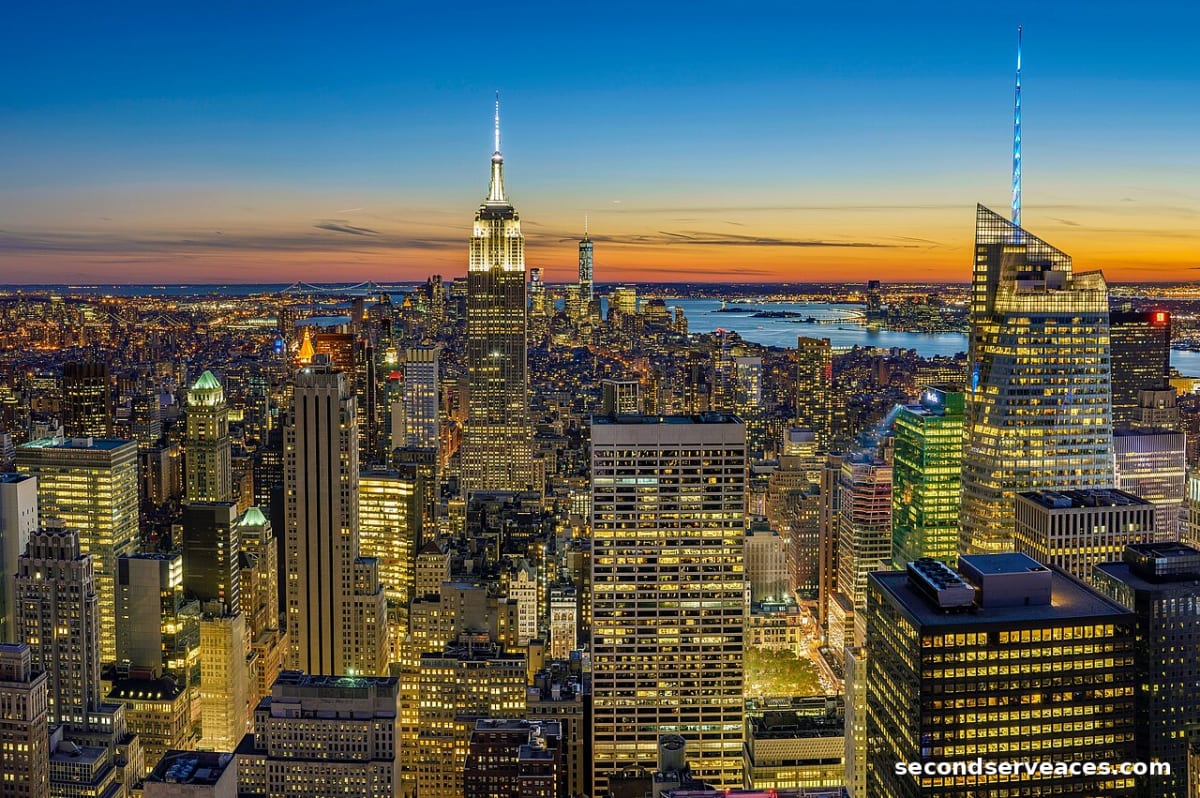
To witness the modern year-end championships is to observe a triumph of sterile, corporate utility. One enters a cavernous, hyper-lit dome in Turin, serenaded by synthesized basslines and blinded by neon advertising boards. It is, to be sure, a marvel of contemporary marketing. Yet, for those of us who remember the sport before it was sanitized by the technocrats, the current iteration of the event lacks a certain theatrical gravitas. To find the true soul of this year-end gathering, one must travel back in time, through the haze of cigar smoke and the clinking of highball glasses, to the glorious Manhattan winter of Madison Square Garden.
Listen to the Second Serve Podcast
Get our daily AI-synthesized audio briefings and match reviews on the go.
The Theater of the Golden Era
From 1977 to 1989, the tournament now known on the ATP Tour as the ATP Finals found its spiritual home in the heart of New York City. This was not merely a tennis tournament; it was a Broadway show in shorts. The Masters, as it was then grandly christened, was played on a fast, unforgiving Supreme court surface laid directly over the ice of the New York Rangers. The court was a rich, forest green, surrounded by an orange perimeter that seemed to glow under the theatrical spotlights of the Garden.
Unlike the standard single-elimination knockout tournaments that populated the rest of the calendar, the Masters employed a grueling round-robin format. This mathematical curiosity meant a player could suffer defeat on Tuesday and still hoist the trophy on Sunday. It demanded a unique brand of mental fortitude, forcing players to shake off a loss and immediately prepare for another top-ten adversary the following evening. In the damp chill of a New York December, after eleven months of globetrotting, this format was a torturous final exam.
The crowd did not merely watch; they participated. Fur-coated socialites from the Upper East Side rubbed shoulders with blue-collar transit workers from Queens, all packed into the steep, circular bowl of the arena. The air was thick with the scent of roasted nuts, stale beer, and expensive perfume. It was a pressure cooker designed to test the psychological mettle of the world’s elite eight players.
"The Garden was different. It wasn't just a tennis match; it was a prize fight under Broadway lights."
Nasty and The Superbrat: Icons of the Garden
No player embodied the chaotic theatricality of this era quite like the Romanian wizard, Ilie "Nasty" Năstase. Long before the event moved to Manhattan, Năstase dominated the early Masters editions in the 1970s, winning four titles with a mixture of sublime touch and maddening psychological warfare. As detailed on his official Wikipedia biography, Năstase’s theatrical genius was perfectly suited for the grandest stages, setting the template for the drama that would later unfold in New York.
When the tournament finally settled into Madison Square Garden, it found its ultimate protagonist in John "The Superbrat" McEnroe. The native New Yorker treated the Garden as his personal coliseum. His epic battles against the stoic, methodical Ivan Lendl became the stuff of legend. While we explored the cold, analytical nature of Lendl’s baseline dominance in our historical retrospective on Connors and Lendl, it was at the Garden where Lendl's relentless physical preparation collided most spectacularly with McEnroe’s improvisational genius.
A Lost Era of Tennis Etiquette
What made the MSG years so compelling was the sheer intimacy of the struggle. There were no electronic line-calling systems, no video screens to pacify the crowd, and no soft-edged luxury suites to isolate the VIPs from the raw emotion on the court. Players stood mere feet from hecklers, and linesmen were subjected to the full, unvarnished wrath of competitors who viewed every decision as a matter of life and death.
Today's year-end championships are undoubtedly more efficient, played on standardized courts designed to optimize television broadcasts. Yet, one cannot help but feel a pang of nostalgia for that smoky, raucous Manhattan theater. The Masters at Madison Square Garden was the ultimate test of character—a place where tennis was not just played, but performed.
Essential Matchday Add-Ons
Tournament-tested accessories and high-frequency consumables every competitive player keeps in their bag.
Tourna Grip Original Dry Feel Overgrip (10-Pack)
4.8 ★ (12,000+ reviews)
The gold standard for sweaty hands. Proprietary dry feel absorbs moisture better as play intensifies.
Luxilon ALU Power 125 Silver String Set
4.9 ★ (3,500+ reviews)
Unrivaled control and spin potential used by over 50% of the ATP Top 100 players.
Babolat Custom Damp Vibration Dampener (2-Pack)
4.7 ★ (4,200+ reviews)
Customizable dampening with removable central O-ring for fine-tuning court feedback and sound.
Penn Championship Extra Duty Tennis Balls (4-Can Pack)
4.7 ★ (8,900+ reviews)
Official ball of USTA League Tennis with extra-duty felt designed for abrasive hard courts.
Analyze Ilie Nastase vs. John McEnroe
Predict tactical adjustments, momentum swings, and serve strategy options for this match-up using our AI simulator.
The Aces Tactical Panel
This report was curated and edited by Bhaskar Goel. Tactical analysis and technical insights were provided by our specialized panel of expert correspondents.
Julian Price
Senior Tactical Correspondent
Stuffy, pedantic British academic and historian specializing in match momentum and historical context.
Elena Cruz
Director of Analytical Research
Data scientist specializing in court surface physics and movement patterns.
Bhaskar
The Editor & Fan
Passionate tennis player and site editor bringing everyday amateur insights and relatable fan commentary.
Arthur Vance
Senior Existential Analyst
Deep, eccentric, and DFW-inspired. Models court metaphysics, kinetic beauty, and player psychology.
Leo Sterling
High-Performance Consultant
Hard-nosed ex-trainer from Melbourne with a no-nonsense view on tour fitness.
Related Reports
Quick Answers
Where was the year-end Masters tournament held between 1977 and 1989?+
The tournament was held at Madison Square Garden in New York City, featuring a unique green-and-orange court laid directly over the arena's ice rink.
Which Romanian tennis player dominated the early editions of the Masters tournament?+
Ilie Năstase dominated the early years of the event, winning four titles with his signature mix of brilliant shotmaking and psychological gamesmanship.
How did the round-robin format of the Masters differ from regular tennis tournaments?+
Unlike standard single-elimination events, the round-robin format allowed a player to lose a match early in the week and still recover to win the tournament championship.