The Iterative Nature of the Professional Pivot
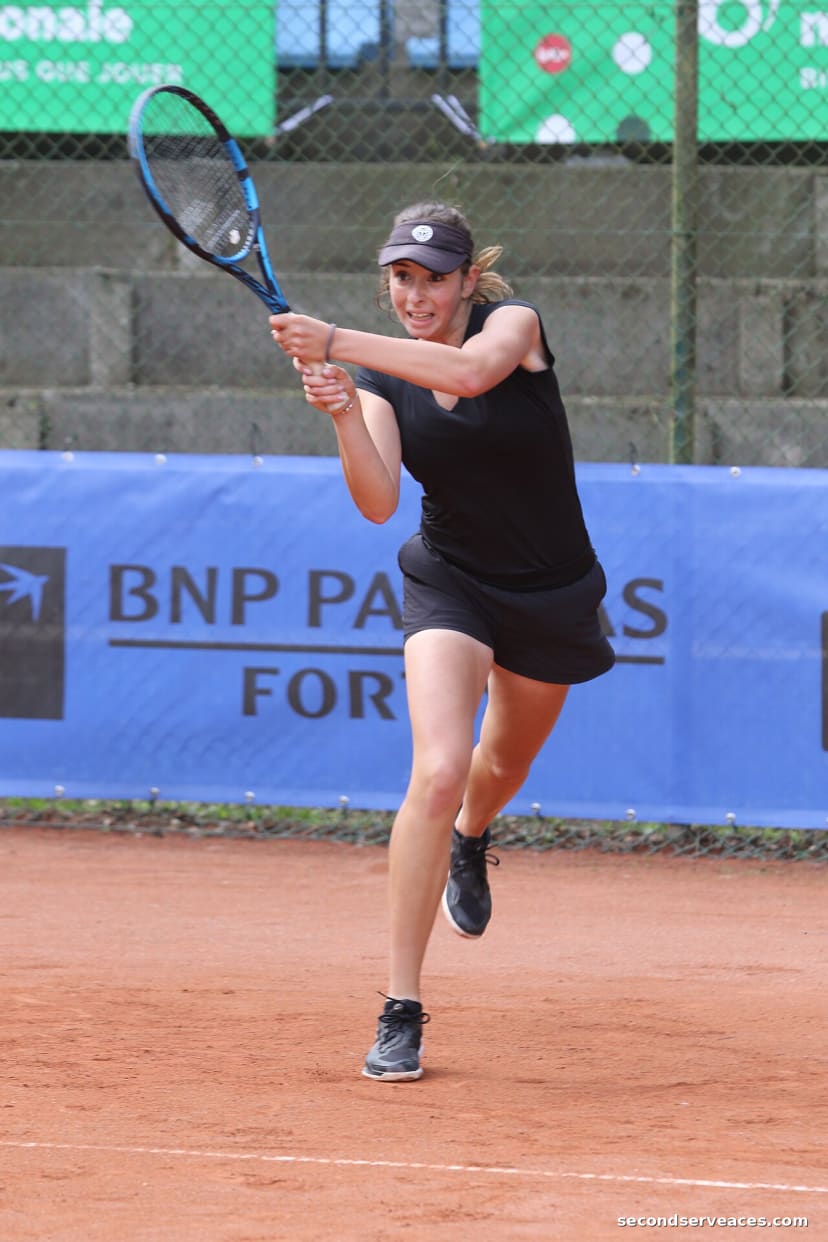
There is a specific, quiet agony in the professional tennis orbit—the realization that the body is ready, but the structural architecture of the career remains in flux. Emma Raducanu, currently navigating the recovery phase from an illness that necessitated her withdrawal from the Miami Open, finds herself at a familiar, if exhausting, juncture. Following the conclusion of her partnership with Francisco Roig after the 2026 Australian Open, the discourse surrounding her path has moved beyond the court and into the nebulous, often unforgiving realm of coaching continuity.
Listen to the Second Serve Podcast
Get our daily AI-synthesized audio briefings and match reviews on the go.
Statistically, the volatility is impossible to ignore. Since the incandescent, lightning-in-a-bottle moment of her 2021 US Open title, Raducanu has cycled through seven coaching changes. This is not merely a personnel statistic; it is a profound disruption of the biomechanical and tactical consistency required to compete at the highest level of the WTA.
The Tactical Breakdown
To understand the necessity of a singular voice, one must look at the physics of the elite game. High-level tennis is a feedback loop: a coach identifies a technical deficiency, the player implements the adjustment, and through thousands of hours of repetition, that adjustment is internalized into the subconscious.
- Rally Tolerance and Pattern Recognition: Stability allows for the development of 'first-strike' tennis. When a player changes coaches frequently, the foundational geometry of their serve placement and rally patterns shifts, forcing them to constantly unlearn and relearn their own muscle memory.
- Surface-Specific Adaptation: As Raducanu pivots to the clay season—starting April 6th at the Linz event—the physical demands increase. Clay demands a higher margin for error and a different approach to lateral movement. Without a consistent tactical framework to handle the sliding and the longer, more grinding rallies inherent to red dirt, a player is effectively operating without a map.
The Bigger Picture
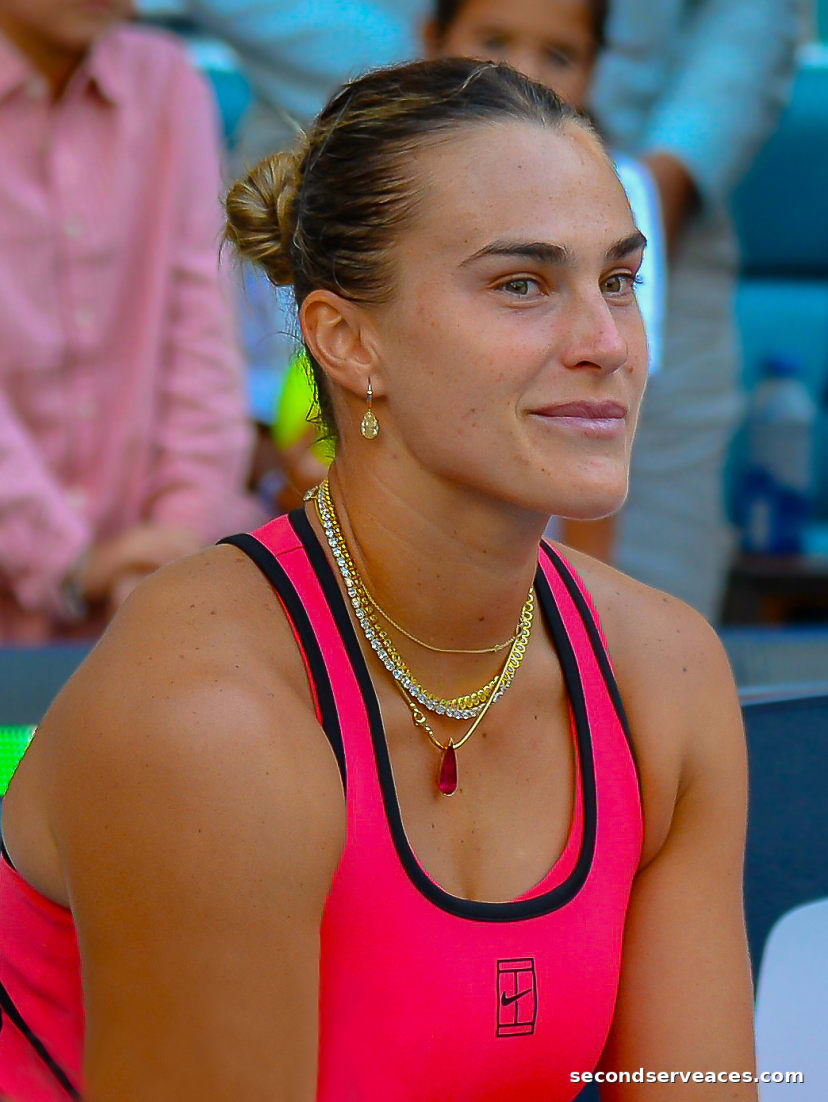
The contrast between Raducanu’s current trajectory and the stability of world number one Aryna Sabalenka is, by design, the central narrative. Sabalenka’s partnership with Anton Dubrov, which has remained steadfast since 2020, provides an analytical buffer against the chaos of the tour. In the elite WTA tier, the coach serves as an anchor during the inevitable ebbs of match momentum and the psychological fatigue of tournament cycles.
Marion Bartoli has recently articulated this need for continuity, framing it not as a critique of past decisions, but as a prerequisite for longevity. For Raducanu, the clay season represents more than just a schedule of upcoming events; it is an opportunity to move past the fragmentation of the last few years and toward the disciplined, rhythmic repetition that characterizes the most successful careers in modern tennis.
What Aryna Sabalenka Plays With
Wilson Blade 98 v9 (16x19)
Luxilon ALU Power 125
Wilson Pro Overgrip (12-Pack)
Analyze Emma Raducanu vs. Aryna Sabalenka
Predict tactical adjustments, momentum swings, and serve strategy options for this match-up using our AI simulator.
The Aces Tactical Panel
This report was curated and edited by Bhaskar Goel. Tactical analysis and technical insights were provided by our specialized panel of expert correspondents.
Julian Price
Senior Tactical Correspondent
Stuffy, pedantic British academic and historian specializing in match momentum and historical context.
Elena Cruz
Director of Analytical Research
Data scientist specializing in court surface physics and movement patterns.
Bhaskar
The Editor & Fan
Passionate tennis player and site editor bringing everyday amateur insights and relatable fan commentary.
Arthur Vance
Senior Existential Analyst
Deep, eccentric, and DFW-inspired. Models court metaphysics, kinetic beauty, and player psychology.
Leo Sterling
High-Performance Consultant
Hard-nosed ex-trainer from Melbourne with a no-nonsense view on tour fitness.