The Heavy Toll of a Hard-Court Triumph
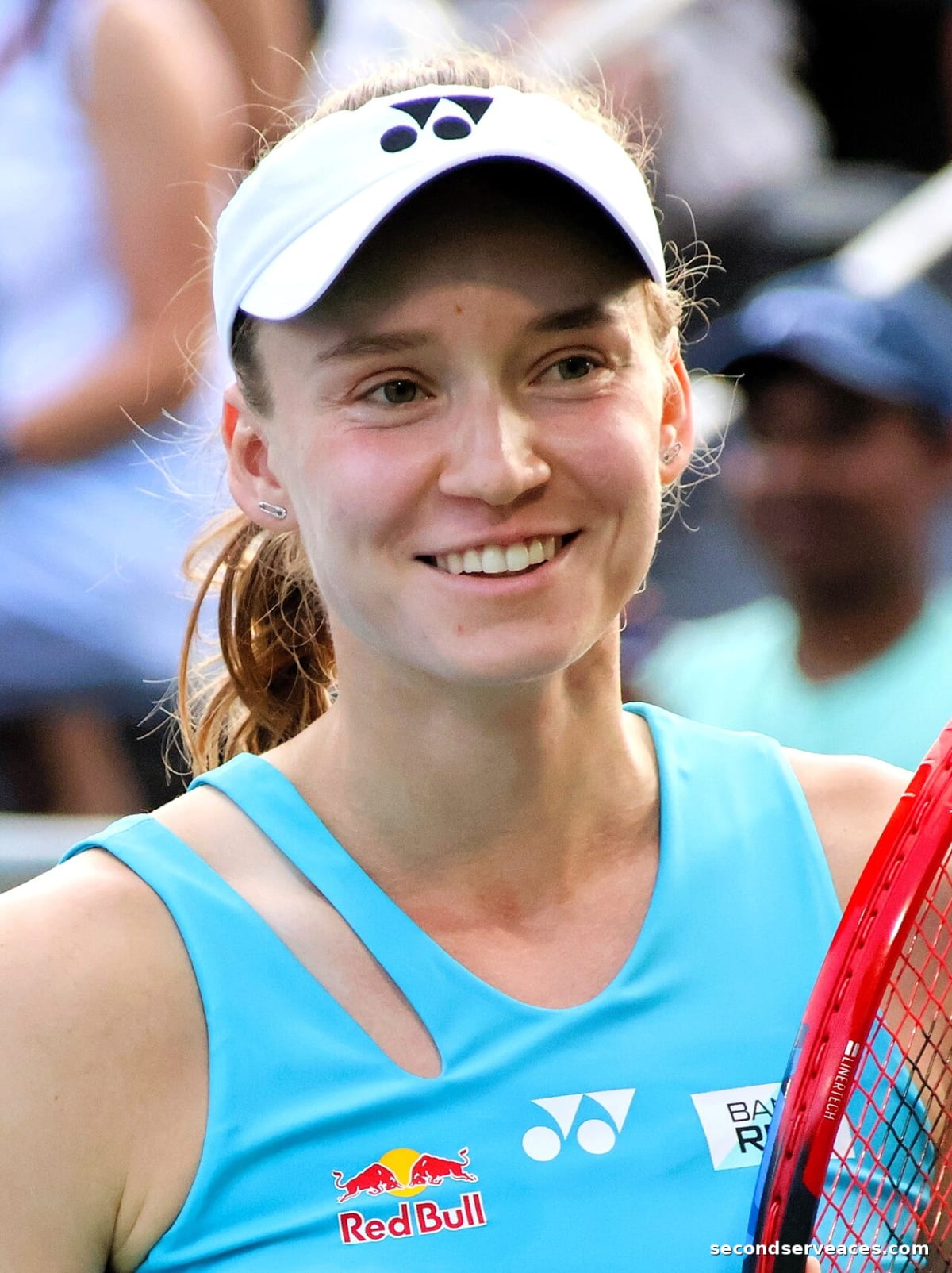
Elena Rybakina’s triumph at Flushing Meadows was nothing short of spectacular, but the physical bill has finally arrived. The newly crowned US Open champion has officially withdrawn from the upcoming Billie Jean King Cup Finals, sidelined by an Achilles tendon injury. It is a brutal blow for Kazakhstan, but anyone watching her relentless campaign could see the cracks starting to show under the immense physical pressure of the tour.
Listen to the Second Serve Podcast
Get our daily AI-synthesized audio briefings and match reviews on the go.
According to her medical team, Rybakina requires at least two full weeks of complete rest and targeted treatment to address the Achilles issue. This mandatory recovery window means she will completely miss Kazakhstan’s highly anticipated tie against Spain, scheduled for September 23. For a player who thrives on carrying momentum, being forced onto the sidelines during a prestigious team event is a bitter pill to swallow.
This latest setback highlights the unrelenting nature of the modern tennis calendar. Players are constantly pushed to their absolute limits, and when you are playing high-octane tennis week in and week out, something eventually has to give. To track how these physical demands shape the global standings, fans can monitor the official WTA Tour Home for updates on player commitments and tournament entries.
The Pattern of Physical Breakdown on Tour
This is not an isolated incident for the Kazakh powerhouse; rather, it is part of a worrying trend of physical breakdowns during key moments of the season. Just weeks before her US Open run, Rybakina was forced to retire from her high-profile quarterfinal clash against Iga Swiatek at the Cincinnati Open. That retirement, triggered by a painful ankle injury, raised immediate red flags about her durability under extreme competitive stress.
Frankly, the officiating and scheduling bodies need to take a hard look in the mirror. We are seeing our sport’s biggest stars break down before our eyes because the transition between surfaces and tournaments is simply too rapid. You cannot expect athletes to perform at a gladiatorial level without giving their joints and tendons proper time to adapt to changing court conditions.
When top-tier athletes face intense scrutiny over their physical limitations, the locker room often rallies in solidarity. We saw similar themes of player defense and media pressure discussed in our coverage of players standing up for their peers. Rybakina’s current predicament is yet another reminder that the human body has hard limits, no matter how elite the athlete.
The Quest for the Elusive Career Grand Slam
Despite the injury setbacks, Rybakina’s career trajectory remains historic. Having conquered the grass of Wimbledon in the past, and now adding the Australian Open and US Open hard-court trophies to her cabinet, she stands on the precipice of tennis immortality. She now needs only a victory at Roland Garros to complete the prestigious Career Grand Slam.
Achieving that feat will require her to master the grueling red clay of Paris, a surface that demands extreme physical resilience and slide mechanics that can be incredibly taxing on an already vulnerable Achilles. To understand her journey from a promising junior to a dominant multi-surface threat, her detailed career history is preserved on her Wikipedia profile.
The transition to clay will be the ultimate test of her aggressive, first-strike style. If she can properly manage her recovery and build a schedule that prioritizes her long-term health, there is no reason she cannot hoist the Coupe des Mousquetaires. But first, she has to get healthy, and that starts with respecting the recovery time her body is screaming for right now.
Rivalry Matchup & Player Profiles
The battle at the absolute summit of women's tennis remains a tight, two-horse race between Rybakina and her primary rival, Aryna Sabalenka. With Rybakina currently sitting at World No. 1 and Sabalenka hot on her heels at No. 2, every single tournament entry and withdrawal carries massive weight for the year-end rankings.
| Metric | Elena Rybakina | Aryna Sabalenka |
|---|---|---|
| Rank | 1 | 2 |
| Country | Kazakhstan | Belarus |
| Age | 27 | 28 |
| Height | 6'0" (1.84m) | 6'0" (1.82m) |
| Handedness | Right-handed | Right-handed |
| Play Style | Aggressive baseliner with a dominant serve | Aggressive baseliner with high-powered groundstrokes |
| Career Titles | 14 | 24 |
Their head-to-head rivalry is one of the most explosive in modern tennis, with Sabalenka holding a narrow 10-8 lead in their 18 professional meetings. Their most recent clash was an absolute classic in the 2026 US Open final, where Sabalenka edged out a grueling three-set victory, winning 6-4, 5-7, 6-2.
As Rybakina takes time to heal her Achilles, the door swings wide open for Sabalenka to close the gap at the top of the rankings. This rivalry is defined by raw power and razor-thin margins, and Rybakina's ability to bounce back from this injury lay-off will dictate who rules the WTA Tour in the coming seasons.
What Aryna Sabalenka Plays With
Wilson Blade 98 v9 (16x19)
Luxilon ALU Power 125
Analyze Elena Rybakina vs. Aryna Sabalenka
Predict tactical adjustments, momentum swings, and serve strategy options for this match-up using our AI simulator.
The Aces Tactical Panel
This report was curated and edited by Bhaskar Goel. Tactical analysis and technical insights were provided by our specialized panel of expert correspondents.
Julian Price
Senior Tactical Correspondent
Stuffy, pedantic British academic and historian specializing in match momentum and historical context.
Elena Cruz
Director of Analytical Research
Data scientist specializing in court surface physics and movement patterns.
Bhaskar
The Editor & Fan
Passionate tennis player and site editor bringing everyday amateur insights and relatable fan commentary.
Arthur Vance
Senior Existential Analyst
Deep, eccentric, and DFW-inspired. Models court metaphysics, kinetic beauty, and player psychology.
Leo Sterling
High-Performance Consultant
Hard-nosed ex-trainer from Melbourne with a no-nonsense view on tour fitness.
Related Reports
Quick Answers
Why is Elena Rybakina missing the Billie Jean King Cup Finals?+
Elena Rybakina is missing the tournament due to an Achilles tendon injury that requires at least two weeks of rest and treatment.
Which match will Rybakina miss during the BJK Cup?+
She will miss Kazakhstan's scheduled tie against Spain on September 23.
What does Rybakina need to achieve a Career Grand Slam?+
Having already won the Australian Open, Wimbledon, and the US Open, Rybakina only needs to win Roland Garros to complete the Career Grand Slam.