A Milestone in the Making
In the grand, swirling theater of professional tennis, consistency is the currency of the elite. Elena Rybakina, the Moscow-born powerhouse, has officially reached a century—100 weeks perched firmly within the WTA top five. While the headlines often chase the immediate thrill of a trophy lift, this mark speaks to a quiet, unwavering permanence among the sport's heavy hitters.
Listen to the Second Serve Podcast
Get our daily AI-synthesized audio briefings and match reviews on the go.
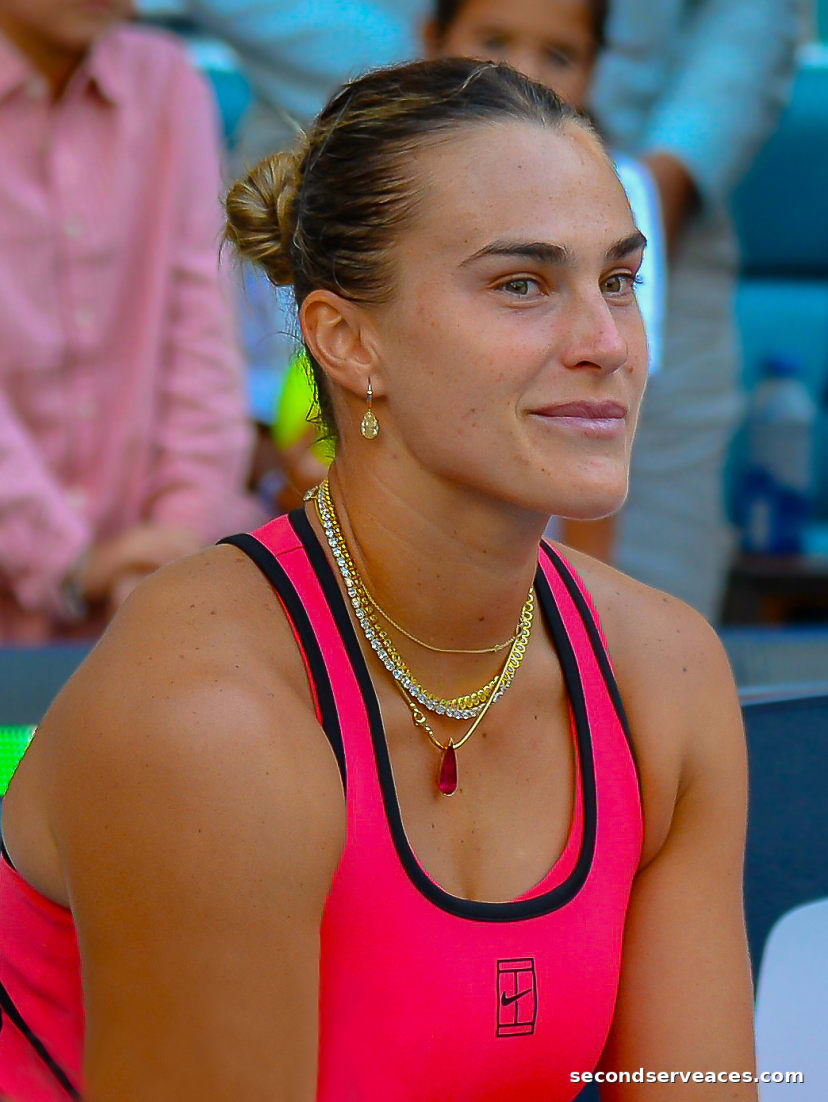
The leaderboard, however, remains a steep mountain to climb. As we pivot from the early-season hard courts of Indian Wells and Miami toward the dust of the French Open, the gap is clear. Aryna Sabalenka currently commands a point tally of 11,025 to Rybakina's 8,108. With a 2026 record of 23-1, Sabalenka is playing with the ferocity of a hurricane, while Rybakina sits at a sturdy 21-5.
The Tactical Breakdown
When these two clash—a rivalry currently tilted 10-7 in favor of the Belarusian—we are witnessing a collision of pure, unadulterated velocity. Rybakina’s game is built upon a foundation of surgical serve placement and a flat, penetrating groundstroke that leaves opponents little time to reset their footing. Her tactical success relies on shortening points; by utilizing her height and reach, she forces opponents to defend from behind the baseline, effectively shrinking the court.
On clay, the geometry changes. The surface acts as a brake on the explosive power that defines both Rybakina and Sabalenka. To thrive, Rybakina must master the transition game—using the drop shot to pull defenders forward and applying more topspin to ensure her balls clear the net with a safety margin that high-octane flat hitting doesn't afford. The challenge for the Rybakina camp, much like the strategic adjustments once championed by coaches like Wim Fissette or Rennae Stubbs, will be balancing her inherent aggressive instinct with the patience required to navigate the longer, grittier rallies typical of the clay-court swing.
The Bigger Picture
The race for world number one is rarely a sprint; it is an endurance test. Sabalenka’s start to the 2026 season has been nothing short of blistering, yet the clay season historically acts as the ultimate equalizer. We have seen players like Iga Swiatek dominate this surface, proving that movement and defensive recovery are just as potent as raw power.
For Rybakina, this 100-week milestone is a testament to her stability, yet the coming months in Europe will define her legacy in this era. Whether she can chip away at Sabalenka’s 2,917-point lead depends on her ability to adapt her game to a surface that demands more than just a thumping serve. The tennis world is watching, waiting to see if this century of excellence is merely a prologue to a reign at the very top.
What Aryna Sabalenka Plays With
Wilson Blade 98 v9 (16x19)
Luxilon ALU Power 125
Wilson Pro Overgrip (12-Pack)
Analyze Elena Rybakina vs. Aryna Sabalenka
Predict tactical adjustments, momentum swings, and serve strategy options for this match-up using our AI simulator.
The Aces Tactical Panel
This report was curated and edited by Bhaskar Goel. Tactical analysis and technical insights were provided by our specialized panel of expert correspondents.
Julian Price
Senior Tactical Correspondent
Stuffy, pedantic British academic and historian specializing in match momentum and historical context.
Elena Cruz
Director of Analytical Research
Data scientist specializing in court surface physics and movement patterns.
Bhaskar
The Editor & Fan
Passionate tennis player and site editor bringing everyday amateur insights and relatable fan commentary.
Arthur Vance
Senior Existential Analyst
Deep, eccentric, and DFW-inspired. Models court metaphysics, kinetic beauty, and player psychology.
Leo Sterling
High-Performance Consultant
Hard-nosed ex-trainer from Melbourne with a no-nonsense view on tour fitness.