In the high-stakes arithmetic of the ATP Tour, the red dust of Monte Carlo serves not merely as a surface, but as a crucible for architectural transformation. Daniil Medvedev, currently perched at number 10 in the world, arrives at this storied venue with a rare, crystalline clarity regarding his trajectory. Unlike his contemporaries, who carry the leaden weight of last season’s deep runs, Medvedev enters this clay-court swing with a mathematical luxury: he is defending a mere 410 ranking points.
Listen to the Second Serve Podcast
Get our daily AI-synthesized audio briefings and match reviews on the go.
The Tactical Breakdown
To understand the Medvedev paradox on clay is to engage with a study in geometry. Historically, his game—built upon a bedrock of flat, penetrating strikes and a depth-perception that defies conventional court-craft—is often viewed as antithetical to the high-friction, vertical-bounce nature of European clay. Yet, his recent form, evidenced by titles at the 2026 Brisbane International and the 2026 Dubai Tennis Championships, suggests a refinement in his rally tolerance.
- Angular Velocity: Medvedev’s ability to manipulate court geometry allows him to stretch opponents laterally, a necessity when the surface saps the raw pace from his standard groundstrokes.
- Serve Efficiency: By minimizing the need for extended net-approaches, he maintains a high-percentage first serve that allows him to dictate the terms of engagement before the rally devolves into a spin-heavy attrition war.
- Defensive Calibration: His deep positioning behind the baseline, once a liability on faster surfaces, becomes a tactical shield on clay, granting him the fraction of a second needed to reset points against aggressive baseliners.
The Bigger Picture
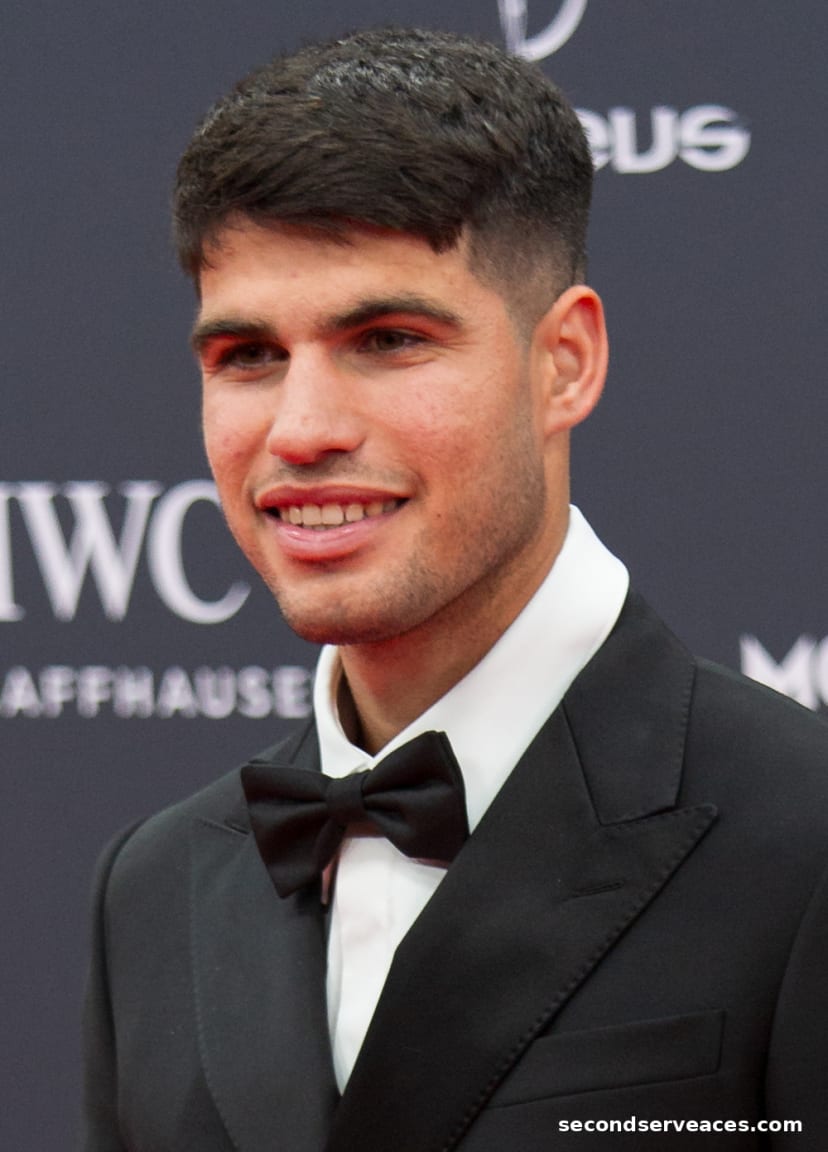
The leaderboard dynamics of the 2026 season are currently defined by a sharp contrast in pressure. Carlos Alcaraz, the vanguard of the current era, walks into this swing with 4,330 points to defend—a massive, dangling target for the rest of the field. For Medvedev, who has not tasted the ATP top five since mid-January 2025, this is a distinct window of opportunity.
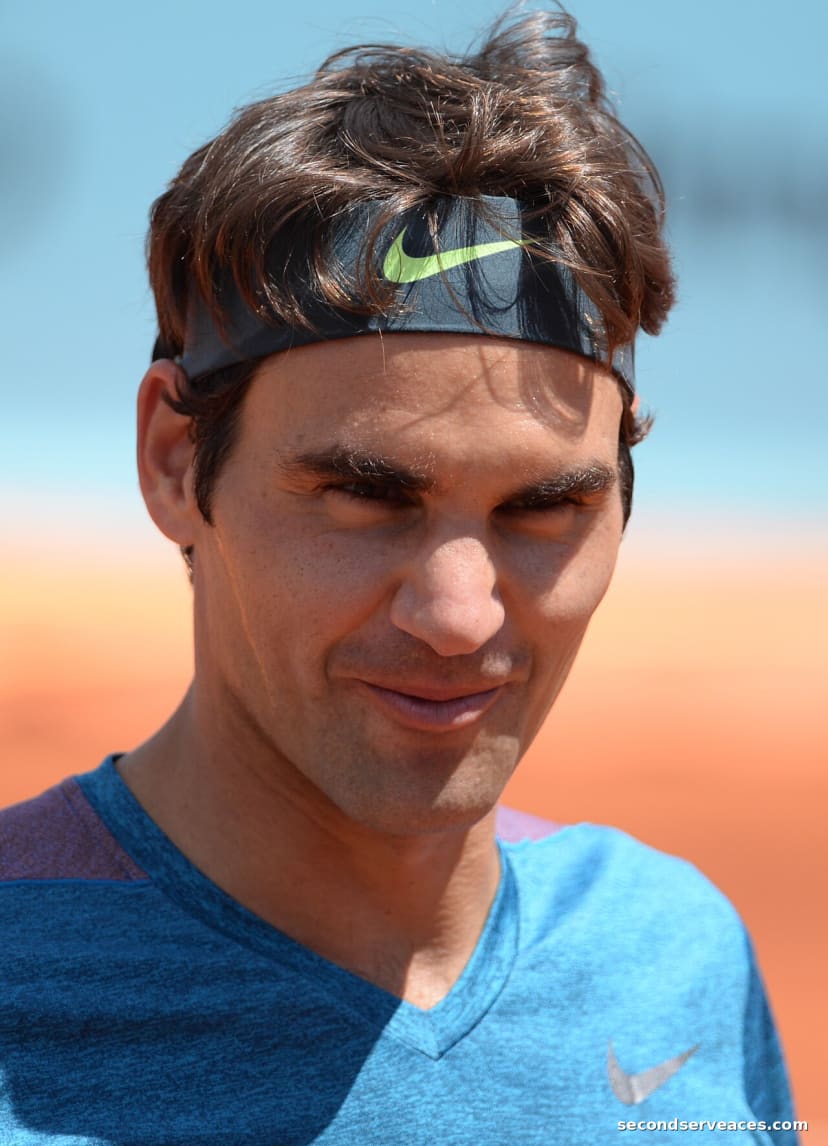
While legends like Roger Federer or contemporaries like Jannik Sinner have navigated the tactical demands of the red clay with varying degrees of kinetic elegance, Medvedev’s journey is one of pragmatic adaptation. He is not fighting the surface; he is quantifying it. As he begins his campaign in the second round of the Monte Carlo Masters, the question is not whether he can mimic the slide-and-strike fluidity of the clay-court specialists, but whether his cold, calculated efficiency can outperform the nervous energy currently vibrating through the top of the rankings.
What Daniil Medvedev Plays With
Tecnifibre T-Fight 305 Isoflex
Tecnifibre Razor Soft
Tecnifibre ATP Players Overgrip
Analyze Daniil Medvedev vs. Carlos Alcaraz
Predict tactical adjustments, momentum swings, and serve strategy options for this match-up using our AI simulator.
The Aces Tactical Panel
This report was curated and edited by Bhaskar Goel. Tactical analysis and technical insights were provided by our specialized panel of expert correspondents.
Julian Price
Senior Tactical Correspondent
Stuffy, pedantic British academic and historian specializing in match momentum and historical context.
Elena Cruz
Director of Analytical Research
Data scientist specializing in court surface physics and movement patterns.
Bhaskar
The Editor & Fan
Passionate tennis player and site editor bringing everyday amateur insights and relatable fan commentary.
Arthur Vance
Senior Existential Analyst
Deep, eccentric, and DFW-inspired. Models court metaphysics, kinetic beauty, and player psychology.
Leo Sterling
High-Performance Consultant
Hard-nosed ex-trainer from Melbourne with a no-nonsense view on tour fitness.