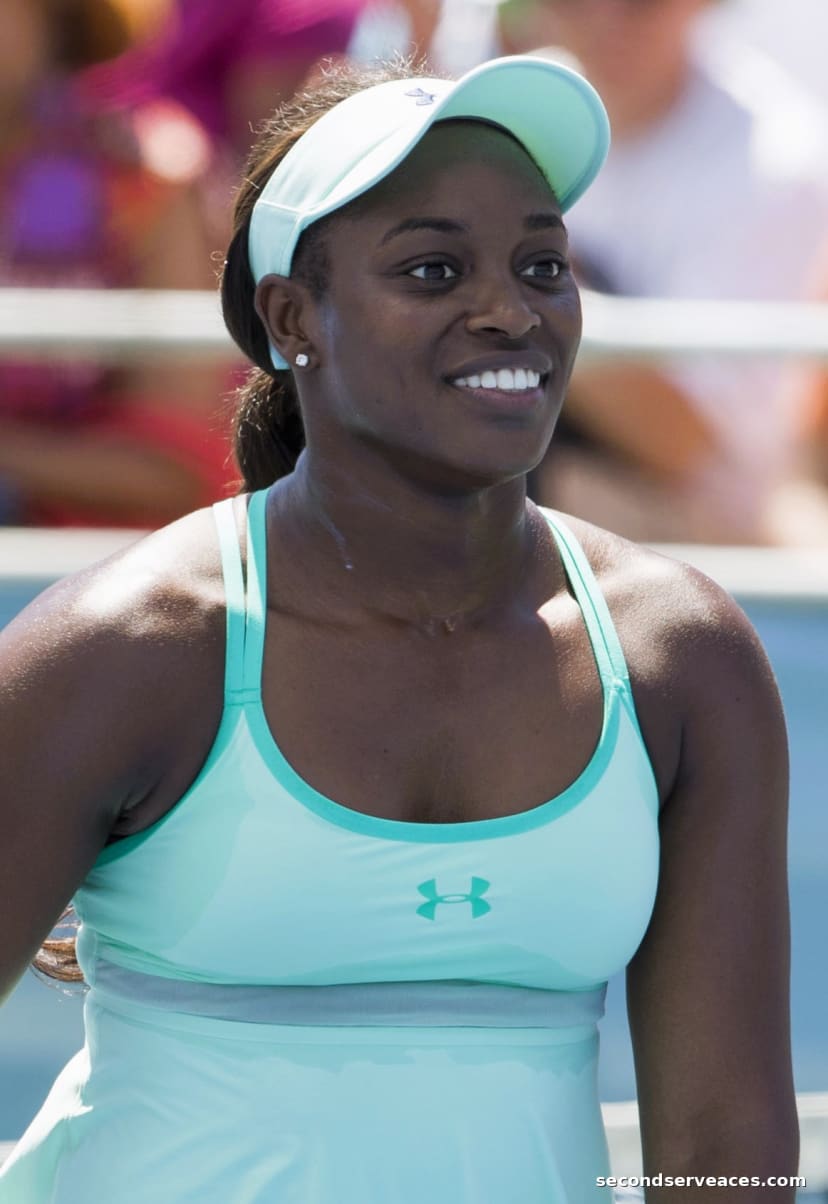
Coco Gauff navigated a volatile opening stretch to defeat Alycia Parks 3-6, 6-0, 6-1 in the third round of the Miami Open on March 21. For a player who relies heavily on defensive elasticity and point construction, the American’s ability to completely flip the geometry of the court after dropping the first set highlighted her tactical maturity.
Listen to the Second Serve Podcast
Get our daily AI-synthesized audio briefings and match reviews on the go.
Her commanding presence on the blue hard courts of Miami was a welcome sight, particularly because her physical status was shrouded in uncertainty. Gauff entered the tournament battling a lingering forearm injury—a severe enough issue that it forced her mid-match withdrawal against Alexandra Eala at Indian Wells just weeks prior. Despite the obvious tape and careful pre-match warmups, Gauff managed to unleash twelve of the final thirteen games to secure her spot in the second week.
Off the court, the tennis world was buzzing with a different narrative. During her post-match media availability, Gauff expressed her hopes for a potential Serena Williams comeback. The speculation isn't entirely baseless; Williams was quietly reinstated into the pro tennis anti-doping program last month after successfully completing six months in the testing pool. Whether it signals a legitimate return or procedural housekeeping, the 23-time Grand Slam champion's shadow continues to loom over the WTA tour.
The Tactical Breakdown
Flipping a match from a 3-6 deficit to a 6-0, 6-1 runaway requires more than just a momentum shift—it demands a total structural overhaul. Alycia Parks is a prototypical first-strike player. She possesses one of the heaviest flat serves on the women's tour and prefers to dictate baseline exchanges inside the first three shots. In the opening set, Parks successfully rushed Gauff, robbing her of the time needed to set up her heavy-topspin forehand.
Gauff's adjustment was a masterclass in spatial awareness and rally tolerance. She implemented three critical changes:
- Return Positioning: Gauff retreated deeper behind the baseline on the first serve return. By giving herself an extra fraction of a second, she neutralized Parks' initial pace, forcing the server to play an extra ball rather than collecting cheap free points.
- Height and Spin: Once the ball was in play, Gauff immediately elevated her trajectory. By hitting heavy topspin deep through the middle of the court, she pushed Parks out of her comfortable strike zone, essentially taking away the angles Parks needs to hit through the court.
- Exploiting Rally Tolerance: Parks thrives in short, explosive bursts. By intentionally extending the rallies past the five-shot mark, Gauff tested her opponent's consistency, ultimately extracting a flood of unforced errors as the match wore on.
The forearm injury undeniably complicates Gauff’s forehand wing, which requires immense wrist lag and racket acceleration to generate her signature topspin. Yet, she masked the vulnerability brilliantly by leaning on her world-class backhand to dictate the cross-court exchanges.
The Bigger Picture
Looking ahead, Gauff is scheduled to face Sorana Cirstea in the fourth round on March 23. This impending matchup offers a completely different tactical puzzle. While Parks relies on raw, explosive power, Cirstea brings flat, early ball-striking and veteran baseline stability.
For Gauff, the ongoing forearm issue remains the primary X-factor. Surviving the physical demands of the “Sunshine Double” (Indian Wells followed immediately by Miami) is grueling for a fully healthy player. To do it while managing inflammation in the dominant arm requires supreme schedule management and efficient point construction.
Cirstea will actively look to crowd the baseline and take the ball on the rise, aiming to expose Gauff’s forehand side under time pressure. Gauff will need to utilize her defensive slice to keep the ball low, forcing the Romanian to generate her own pace from difficult, scraping positions. If Gauff can maintain the defensive lockdown she exhibited in the final two sets against Parks, her path deep into the Miami Open draw remains highly navigable.
What Coco Gauff Plays With
Head Boom MP 2024
Head Lynx Tour 1.25
Analyze Coco Gauff vs. Serena Williams
Predict tactical adjustments, momentum swings, and serve strategy options for this match-up using our AI simulator.
The Aces Tactical Panel
This report was curated and edited by Bhaskar Goel. Tactical analysis and technical insights were provided by our specialized panel of expert correspondents.
Julian Price
Senior Tactical Correspondent
Stuffy, pedantic British academic and historian specializing in match momentum and historical context.
Elena Cruz
Director of Analytical Research
Data scientist specializing in court surface physics and movement patterns.
Bhaskar
The Editor & Fan
Passionate tennis player and site editor bringing everyday amateur insights and relatable fan commentary.
Arthur Vance
Senior Existential Analyst
Deep, eccentric, and DFW-inspired. Models court metaphysics, kinetic beauty, and player psychology.
Leo Sterling
High-Performance Consultant
Hard-nosed ex-trainer from Melbourne with a no-nonsense view on tour fitness.