The Mathematics of Inertia
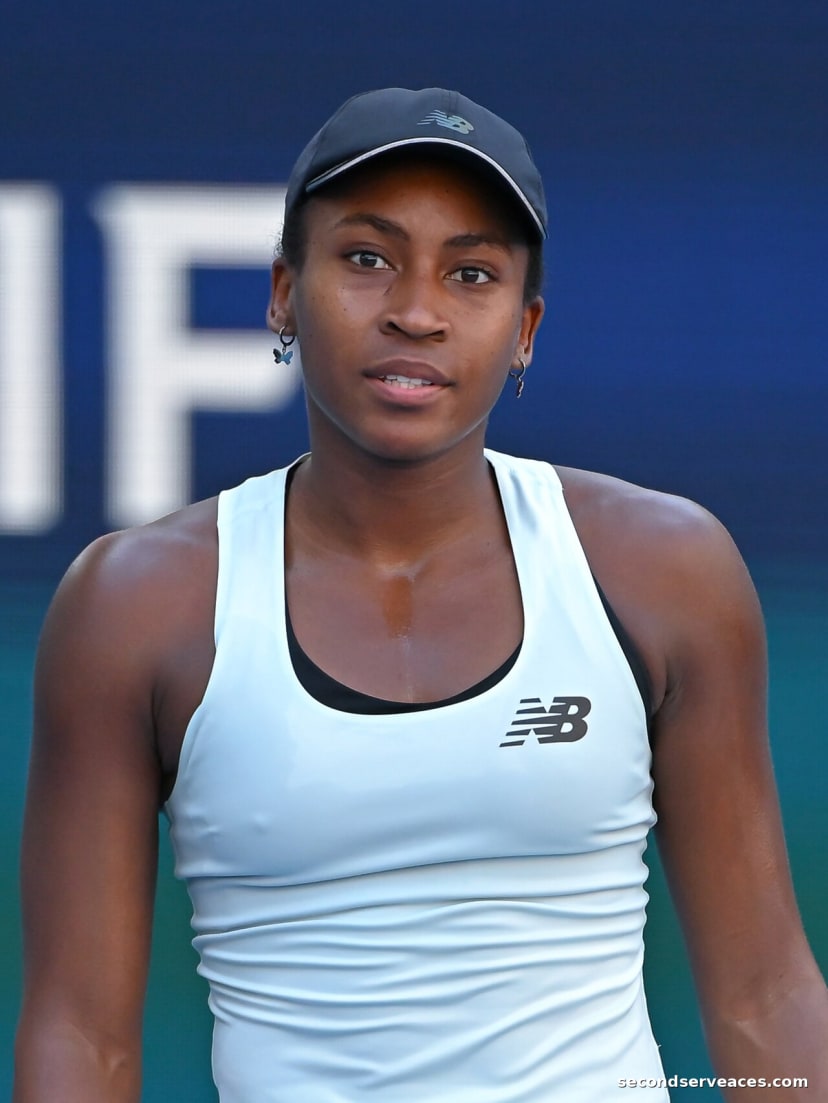
Tennis, in its purest form, is a sport of accumulating debt. The ranking system is a relentless, rotating ledger, and as we approach the Stuttgart Open on April 13, 2026, the accounting has become particularly precarious for Coco Gauff. She enters the clay season burdened by the necessity of defending 3,408 points—a weight that governs not just her movement, but the very geometry of her tactical ambition. To defend is to occupy a defensive posture, a psychological state that often contradicts the inherent aggression required to master the damp, slow friction of clay.
Listen to the Second Serve Podcast
Get our daily AI-synthesized audio briefings and match reviews on the go.
Conversely, Elena Rybakina moves through the tour with the quiet, kinetic momentum of a reigning Australian Open champion. She is hunting the zenith of the WTA rankings, currently trailing Aryna Sabalenka by a gap of 2,917 points. While Gauff faces the attrition of defense, Rybakina faces the luxury of opportunity; she has only 870 points to defend from the previous clay circuit, creating a differential that could effectively redraw the map of the top three by mid-summer.
The Tactical Breakdown
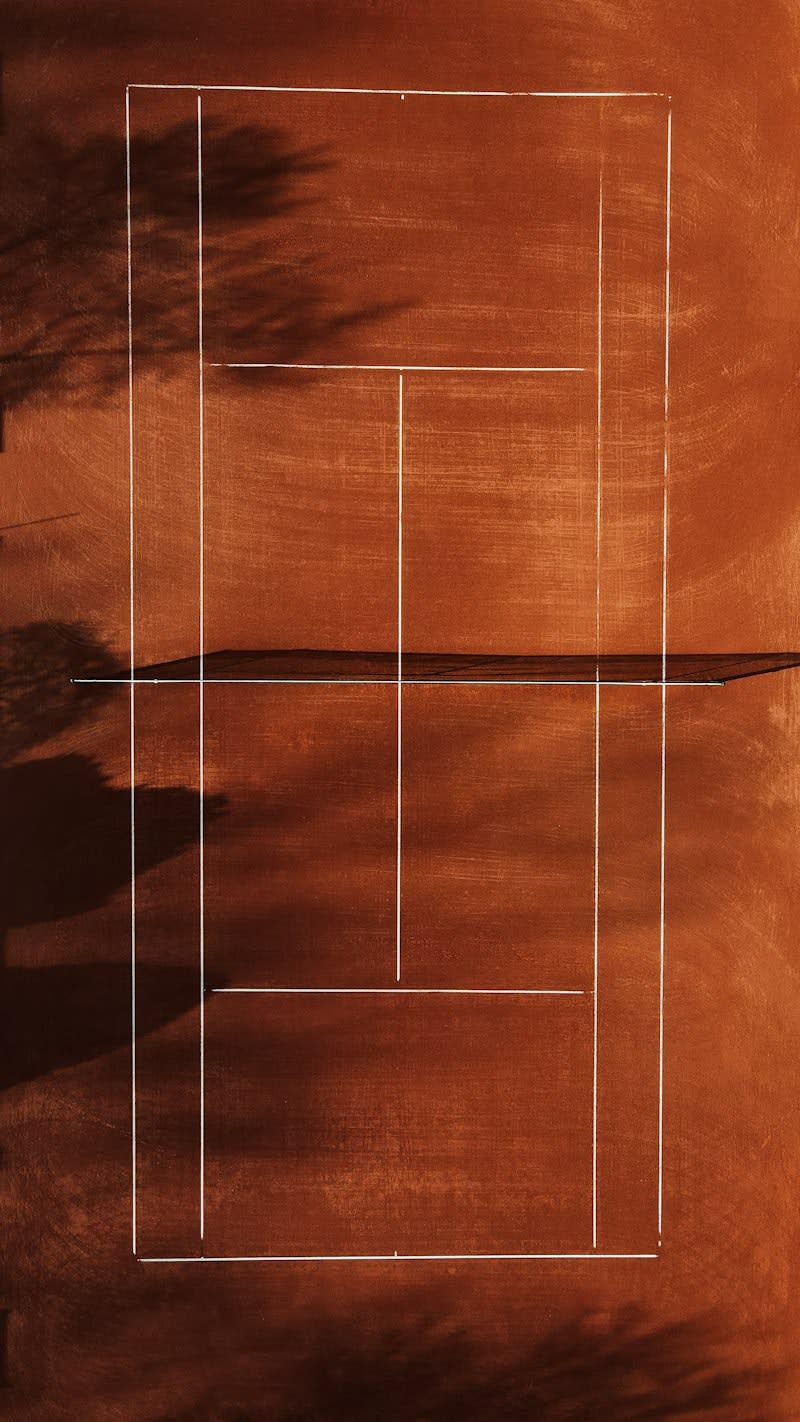
On clay, the ball’s velocity is sacrificed to the surface’s friction, turning the game into a contest of rally tolerance and spatial patience. For a player like Rybakina, the tactical imperative is simple but punishing: extend the court. Her game is predicated on flat, high-velocity strikes that aim to truncate the point before the surface can sap the power from the ball. By pinning opponents deep into the corners, she minimizes the need to negotiate the unpredictable bounces of the red dirt.
Gauff, meanwhile, operates within a framework of lateral recovery and defensive transition. Her ability to slide—to turn a defensive stretch into a neutralizer—is her primary asset on this surface. However, the requirement to defend 3,408 points necessitates a shift in tactical risk-reward ratios. She will likely need to increase her net approach frequency to avoid being ground down in baseline wars, leveraging her athleticism to shorten points that might otherwise drain her physical reserves during the grueling Stuttgart-to-Roland-Garros stretch.
The Bigger Picture
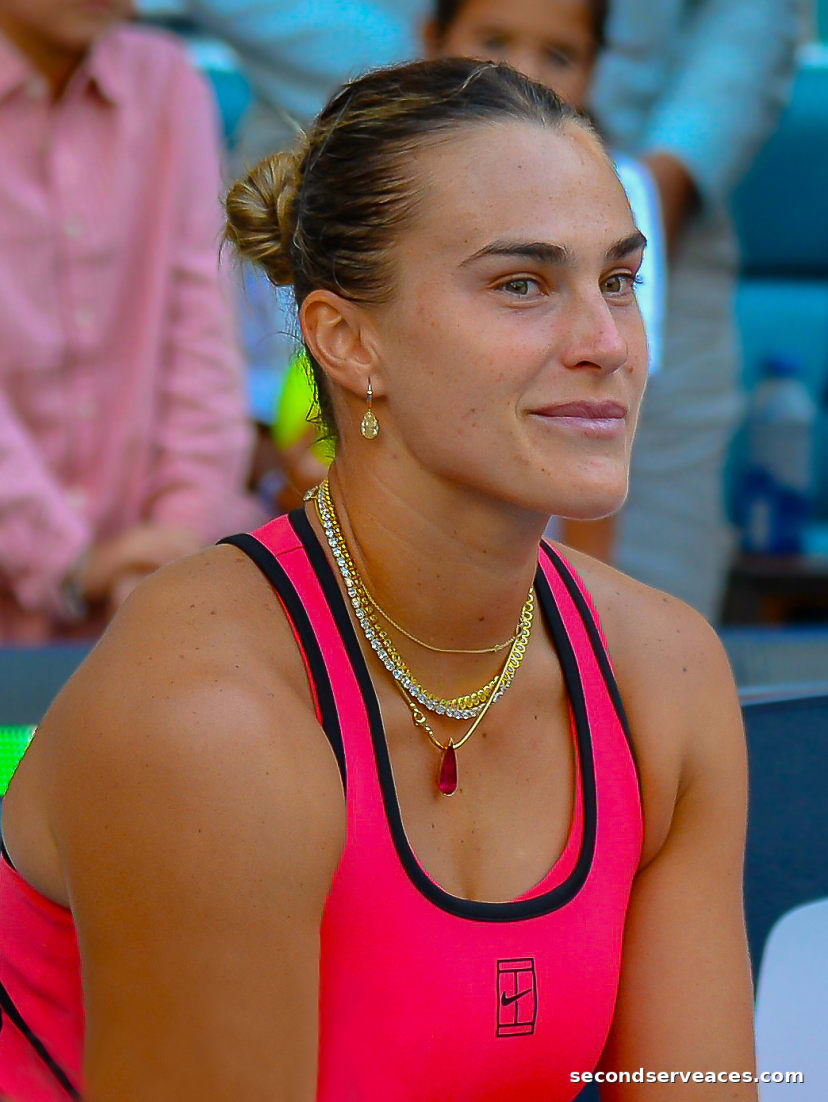
History suggests that the transition to clay is rarely a seamless evolution of hard-court form. The physicality required to maintain a high ranking during this block often dictates the trajectory of a player’s entire season. With Sabalenka maintaining a firm grip on the top spot, the rivalry between Gauff and Rybakina—fueled by their differing point-defensive needs—will define the narrative of the coming months.
As the WTA tour converges on Stuttgart, we aren't merely watching matches; we are watching the maintenance of a ranking hierarchy that is increasingly fragile. The presence of veterans like Elina Svitolina and the tactical ingenuity of players like Jasmine Paolini ensures that neither Gauff nor Rybakina will have a clear path to the podium. The red dust does not care for ranking points; it only cares for the weight of the next shot.
What Coco Gauff Plays With
Head Boom MP 2024
Head Lynx Tour 1.25
Head Prime Tour (12-Pack)
Analyze Elena Rybakina vs. Coco Gauff
Predict tactical adjustments, momentum swings, and serve strategy options for this match-up using our AI simulator.
The Aces Tactical Panel
This report was curated and edited by Bhaskar Goel. Tactical analysis and technical insights were provided by our specialized panel of expert correspondents.
Julian Price
Senior Tactical Correspondent
Stuffy, pedantic British academic and historian specializing in match momentum and historical context.
Elena Cruz
Director of Analytical Research
Data scientist specializing in court surface physics and movement patterns.
Bhaskar
The Editor & Fan
Passionate tennis player and site editor bringing everyday amateur insights and relatable fan commentary.
Arthur Vance
Senior Existential Analyst
Deep, eccentric, and DFW-inspired. Models court metaphysics, kinetic beauty, and player psychology.
Leo Sterling
High-Performance Consultant
Hard-nosed ex-trainer from Melbourne with a no-nonsense view on tour fitness.