The Weight of the Red Dirt
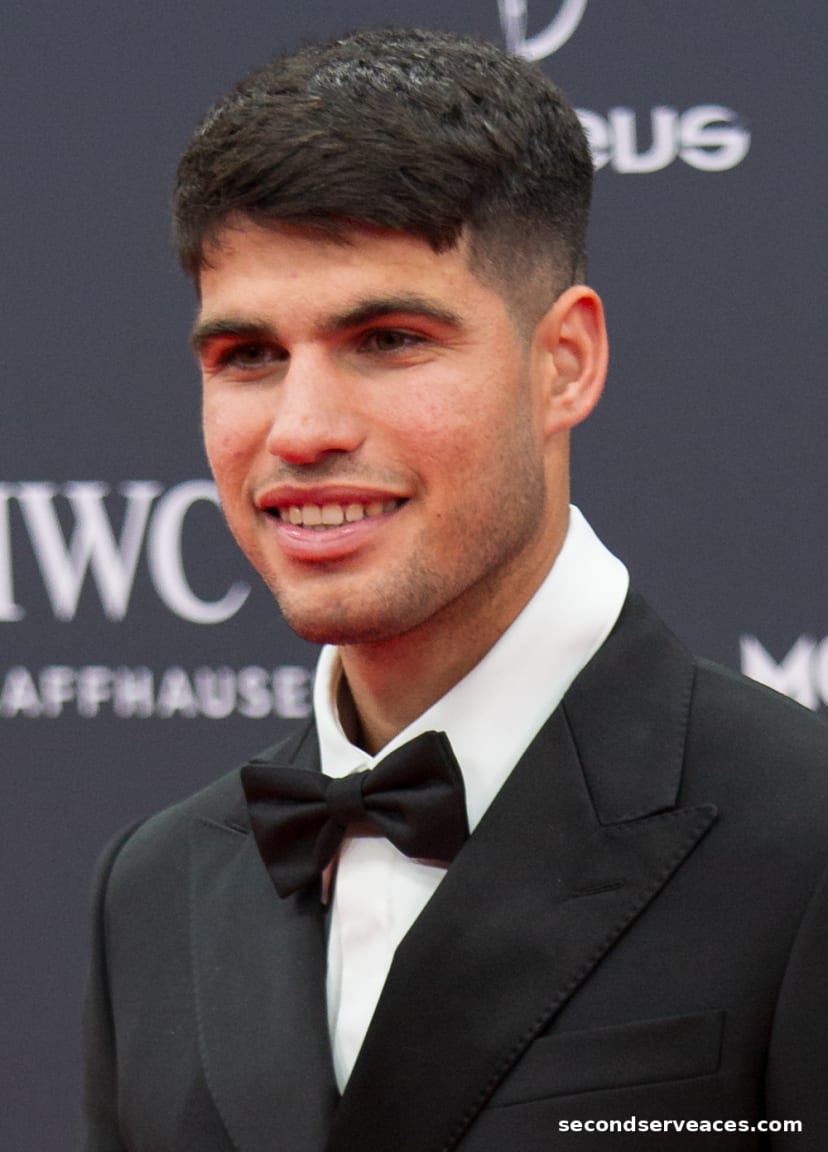
There is a specific, suffocating beauty to the red clay of Monte Carlo. It is a surface that demands a dialogue between the player and the substrate—a game of friction and patience. As Carlos Alcaraz arrives as the top seed, he carries the heavy, expectant mantle of a career that has already produced seven major titles before his 22nd birthday. He returns to the scene of his previous triumph over Lorenzo Musetti—a match that began in a 3-6 deficit before unraveling into a 6-1, 6-0 statement of intent—with the quiet urgency of a man who knows that greatness is not merely a destination, but a relentless, iterative process.
Listen to the Second Serve Podcast
Get our daily AI-synthesized audio briefings and match reviews on the go.
The Tactical Breakdown
Alcaraz represents a departure from the traditional baseline metronome. His game is built on a volatile, high-percentage cocktail of extreme top-spin and sudden, violent shifts in court geometry. When we analyze his capacity for success on clay, we look at his ability to shorten the point not by force, but by invitation. He lures opponents into wide, acute-angled exchanges, only to collapse the space with a drop shot that feels less like a stroke and more like a tactical surrender from his adversary.
- Rally Tolerance vs. Aggression: Unlike the attrition-heavy styles of the past, Alcaraz treats the baseline as a launchpad, prioritizing vertical movement over horizontal grinding.
- Adaptability: As Rick Macci, former coach of Serena Williams, has noted, the Spaniard’s adaptability across surfaces is rare. He does not fight the bounce of the clay; he anticipates the trajectory with a twitch-reflex fluidity.
- Serve Placement: By favoring a high-kick second serve, he neutralizes the returner's aggressive stance, forcing them to hit from above their shoulders—a recurring nightmare for any player on the slow, heavy red dirt.
The Bigger Picture
History, as we know, is a hungry beast. With Novak Djokovic standing tall at 24 major titles, the conversation surrounding Alcaraz often drifts toward the speculative mathematics of his future. To reach double-digit Grand Slam territory is a feat of endurance as much as talent, and the Monte Carlo Masters serves as the perfect laboratory for such maturation. We see the influence of the old guard—the echoes of Court and the tactical rigor that once defined the matches of Roddick or the baseline precision of Sharapova—yet Alcaraz is carving a kinetic signature entirely his own. He is not chasing records; he is chasing the limits of his own biomechanical capability.
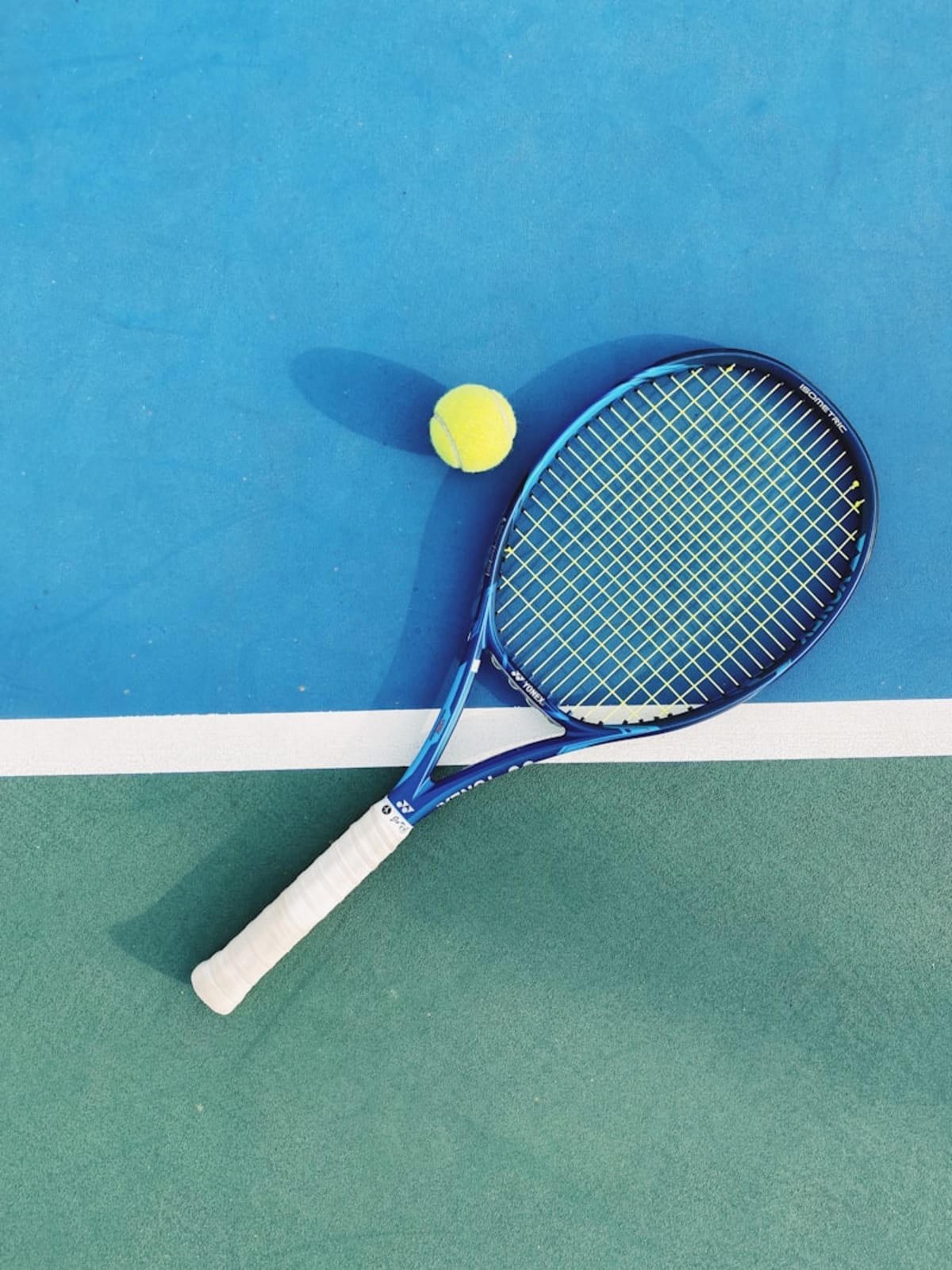
What Carlos Alcaraz Plays With
Babolat Pure Aero 98
Babolat RPM Blast 1.30
Nike Vapor Pro 2
Analyze Carlos Alcaraz vs. Daniil Medvedev
Predict tactical adjustments, momentum swings, and serve strategy options for this match-up using our AI simulator.
The Aces Tactical Panel
This report was curated and edited by Bhaskar Goel. Tactical analysis and technical insights were provided by our specialized panel of expert correspondents.
Julian Price
Senior Tactical Correspondent
Stuffy, pedantic British academic and historian specializing in match momentum and historical context.
Elena Cruz
Director of Analytical Research
Data scientist specializing in court surface physics and movement patterns.
Bhaskar
The Editor & Fan
Passionate tennis player and site editor bringing everyday amateur insights and relatable fan commentary.
Arthur Vance
Senior Existential Analyst
Deep, eccentric, and DFW-inspired. Models court metaphysics, kinetic beauty, and player psychology.
Leo Sterling
High-Performance Consultant
Hard-nosed ex-trainer from Melbourne with a no-nonsense view on tour fitness.