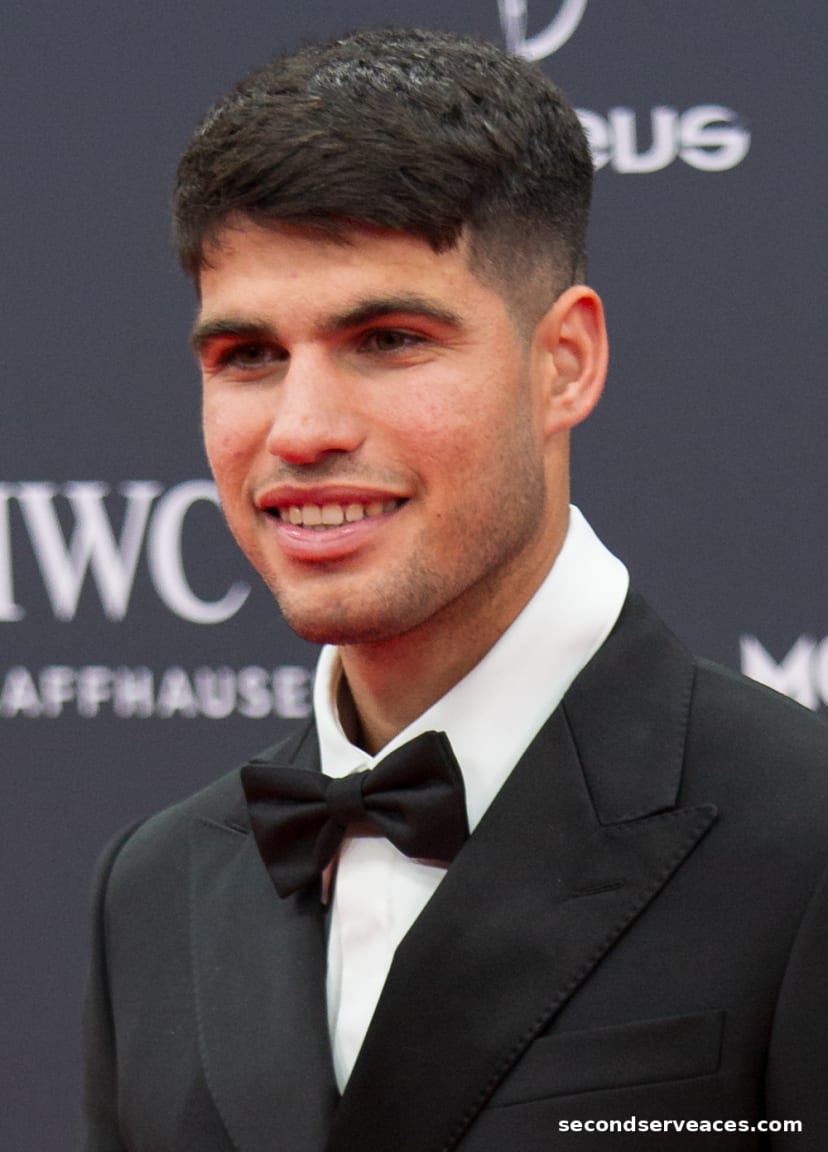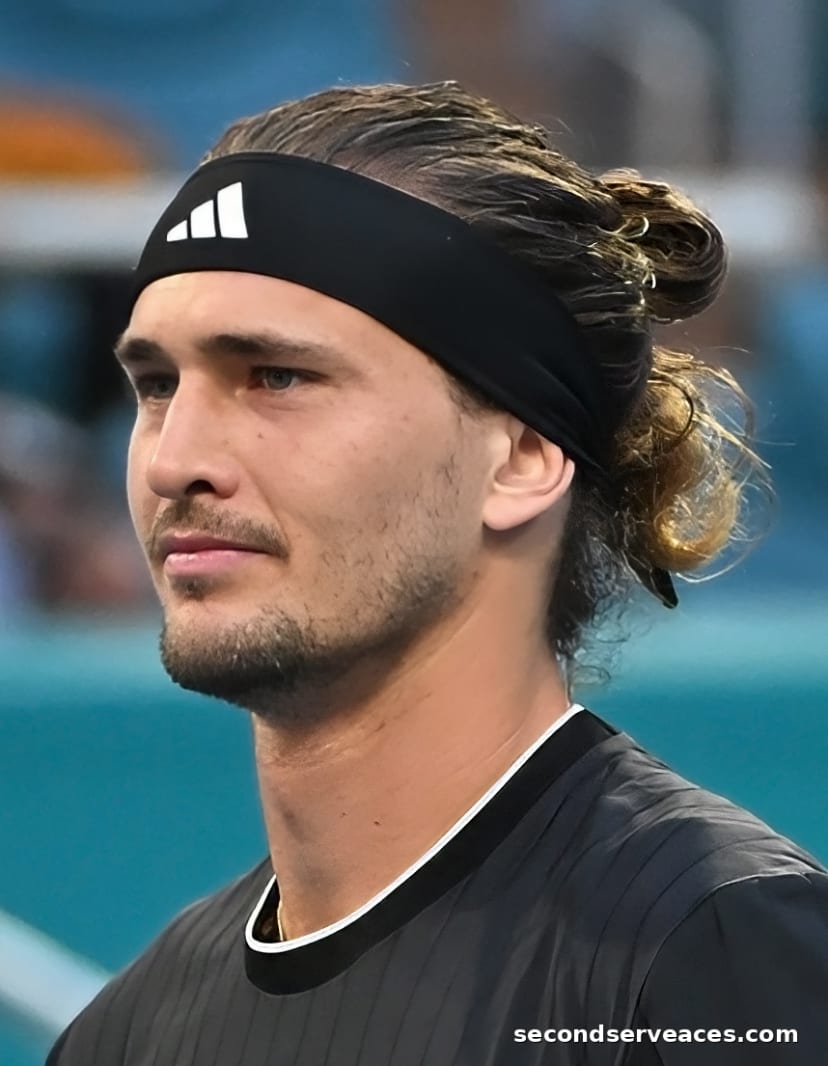
South Florida hard courts demand precision, and Sebastian Korda delivered exactly that. In a grueling fourth-round encounter at the Miami Open, the American outmaneuvered World No. 2 Carlos Alcaraz, securing a 3-6, 7-5, 4-6 victory. For a player who relies heavily on dictating terms with extreme topspin, Alcaraz found himself constantly starved of time and court space.
Listen to the Second Serve Podcast
Get our daily AI-synthesized audio briefings and match reviews on the go.
After launching his season with a flawless 16-0 sprint, the Spanish phenom has suddenly hit a structural speed bump. He has now lost two of his last three matches, a noticeable dip in form that has drawn sharp commentary from the sport's analytical minds.
High-profile coach Patrick Mouratoglou took to Instagram to dissect the abrupt shift in trajectory. Rather than pointing to technical flaws, Mouratoglou suggested that Alcaraz's recent struggles at Masters 1000 events could stem from boredom and a fundamental lack of focus. Managing the neurological load of the ATP calendar is a distinct skill, and maintaining peak intensity outside of the Grand Slams appears to be the current hurdle for the young star.
The Tactical Breakdown
How did Korda successfully dismantle one of the most explosive athletes on tour? The American’s game is custom-built to rush opponents on medium-fast hard courts. Instead of retreating behind the baseline to absorb the heavy, RPM-loaded topspin of Alcaraz, Korda firmly held his ground inside the court.
Tactical execution in this matchup revolved entirely around contact points:
- Taking the Ball Early: Korda excels at hitting on the rise, particularly with his compact two-handed backhand. By stepping into the court, he neutralized the trajectory of Alcaraz's forehand before the ball could jump above his shoulders into an uncomfortable strike zone.
- Pace Absorption: Alcaraz usually pushes opponents into the back fences, creating extreme geometric angles to finish points at the net. Korda refused to yield that real estate, utilizing his flat, penetrating groundstrokes to rob the Spaniard of his preparation time.
- Targeting the Forehand Wing: Rushing Alcaraz on his forehand side forces him to hit off his back foot. When deprived of the split-second needed to set his kinetic chain, Alcaraz's balls land shorter, allowing a baseline-hugging player like Korda to transition smoothly to the offensive.
By shortening the physical distance between himself and his opponent, Korda effectively shrunk the court. This forced Alcaraz into a low-tolerance baseline exchange where his raw power was weaponized against him through sheer pace redirection.
The Bigger Picture
Looking at the macro view, a fourth-round exit in Miami complicates the upcoming schedule for the World No. 2. Alcaraz is staring down a brutal European clay-court stretch between April and June, where he must defend a staggering 3,500 ATP ranking points. Entering that grueling surface transition with a localized crisis of confidence—or focus—is far from ideal.
At age 22, Alcaraz has already won seven Grand Slam titles and eight Masters 1000 titles. That volume of early-career success fundamentally shifts a player's psychological baseline. Mouratoglou's suggestion of "boredom" highlights a valid debate about competitive pacing. Sustaining peak emotional intensity across an 11-month season is notoriously difficult.
When a player achieves historic milestones rapidly, recalibrating their mental edge for standard tour events requires a seasoned mindset. Alcaraz possesses all the physical tools to dominate the upcoming dirtball season, but he must first address the tactical and mental leakage exposed by Korda on the Miami hard courts.
What Carlos Alcaraz Plays With
Babolat Pure Aero 98
Babolat RPM Blast 1.30
Nike Vapor Pro 2
Analyze Carlos Alcaraz vs. Sebastian Korda
Predict tactical adjustments, momentum swings, and serve strategy options for this match-up using our AI simulator.
The Aces Tactical Panel
This report was curated and edited by Bhaskar Goel. Tactical analysis and technical insights were provided by our specialized panel of expert correspondents.
Julian Price
Senior Tactical Correspondent
Stuffy, pedantic British academic and historian specializing in match momentum and historical context.
Elena Cruz
Director of Analytical Research
Data scientist specializing in court surface physics and movement patterns.
Bhaskar
The Editor & Fan
Passionate tennis player and site editor bringing everyday amateur insights and relatable fan commentary.
Arthur Vance
Senior Existential Analyst
Deep, eccentric, and DFW-inspired. Models court metaphysics, kinetic beauty, and player psychology.
Leo Sterling
High-Performance Consultant
Hard-nosed ex-trainer from Melbourne with a no-nonsense view on tour fitness.