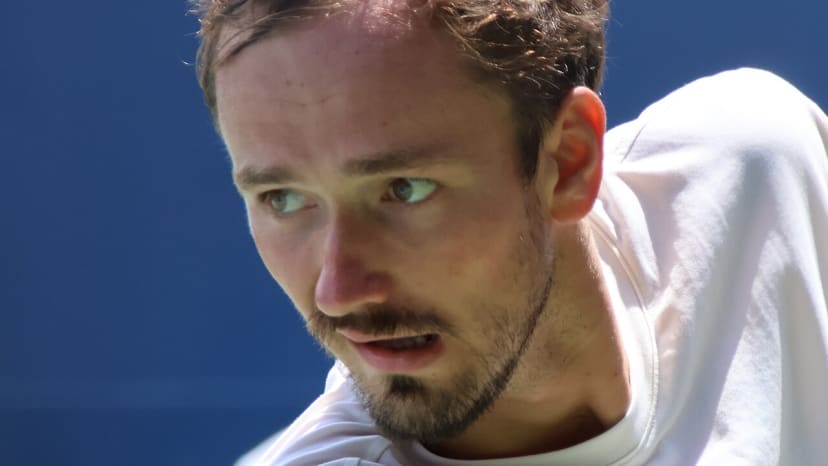
The Prince of Grit Returns to the Dirt
There is a certain rhythmic beauty to the transition from the hard-court hustle to the dusty, sliding theater of the European clay. As the ATP Tour descends upon the principality for the Monte Carlo Masters, one man finds himself with a renewed sense of purpose. Cameron Norrie, fresh off a sturdy quarter-final run at the Miami Open—highlighted by a clinical dismantling of Alex de Minaur—arrives in Monaco not just as a contender, but as the newly minted British number one.
Listen to the Second Serve Podcast
Get our daily AI-synthesized audio briefings and match reviews on the go.
The numbers speak to the thin margins of professional life: Norrie currently sits at 1,753 ranking points, a mere 43 units ahead of his countryman Jack Draper. With Draper forced to withdraw from the Monte Carlo festivities, the spotlight shifts solely to Norrie to carry the torch. He has been busy, trading groundstrokes on the practice courts with the veteran Kei Nishikori—currently working his way back at 286th in the world—and the towering force of Daniil Medvedev, who has already tasted victory in Brisbane and Dubai this season.
The Tactical Breakdown
To understand Norrie’s prospects on the ochre dust, one must look at his rally tolerance, which remains his primary instrument. Unlike players who live for the short-point, "bang-bang" aggression, Norrie thrives on the geometry of the court, forcing opponents to play that one extra ball they would rather avoid. His ability to hit deep, heavy topspin allows him to dictate the depth of the rally, effectively pushing his adversaries behind the baseline.
- Rally Geometry: Norrie utilizes cross-court patterns to open the angles, a necessity when navigating the higher, slower bounce of clay courts.
- Defensive Versatility: By staying compact and utilizing a shorter backswing, he maintains balance even when pulled wide, a key tactical requirement for sliding effectively on the surface.
- Exploiting Weaknesses: His recent win over de Minaur showcased his ability to disrupt pace. Expect him to use similar patience against heavy hitters, waiting for the short ball to take control of the center of the court.
The Bigger Picture
Monte Carlo is a tournament steeped in tradition—a place where the ghosts of legends linger near the seaside stadium. For Norrie, this is a crucible. The clay season is often a divider of men; it demands a physical fortitude that is rarely tested on the faster circuits. Having reclaimed his standing as the lead British racquet, he enters this stretch with a target on his back but a wealth of match momentum.
History tells us that form on the American spring hard courts often translates to a rocky start on the European dirt. However, Norrie’s training sessions with Medvedev suggest a focus on high-intensity movement and baseline stability. If he can maintain the form that saw him stifle de Minaur’s speed in Miami, he stands to make a significant dent in the draw. In a field that features the likes of Carlos Alcaraz, Jannik Sinner, and Stefanos Tsitsipas, the "Cameron consistency" will be put to the ultimate test.
What Daniil Medvedev Plays With
Tecnifibre T-Fight 305 Isoflex
Tecnifibre Razor Soft
Tecnifibre ATP Players Overgrip
Analyze Cameron Norrie vs. Alex de Minaur
Predict tactical adjustments, momentum swings, and serve strategy options for this match-up using our AI simulator.
The Aces Tactical Panel
This report was curated and edited by Bhaskar Goel. Tactical analysis and technical insights were provided by our specialized panel of expert correspondents.
Julian Price
Senior Tactical Correspondent
Stuffy, pedantic British academic and historian specializing in match momentum and historical context.
Elena Cruz
Director of Analytical Research
Data scientist specializing in court surface physics and movement patterns.
Bhaskar
The Editor & Fan
Passionate tennis player and site editor bringing everyday amateur insights and relatable fan commentary.
Arthur Vance
Senior Existential Analyst
Deep, eccentric, and DFW-inspired. Models court metaphysics, kinetic beauty, and player psychology.
Leo Sterling
High-Performance Consultant
Hard-nosed ex-trainer from Melbourne with a no-nonsense view on tour fitness.