The Price of the Grind in the Modern Era
Tennis is a sport of attrition, but we are currently watching the human chassis crack under the weight of an unrelenting calendar. The WTA and ATP Tour are relentless, demand-driven machines. When you see the top-ranked players shackled by mandatory requirements to compete in all 10 WTA 1000 events and six 500-level tournaments, you aren't looking at a schedule—you’re looking at a slow-motion collision with biology.
Listen to the Second Serve Podcast
Get our daily AI-synthesized audio briefings and match reviews on the go.
The numbers don’t lie, even if the marketing brochures do. Last year, Jannik Sinner clocked 182 hours of match time. Carlos Alcaraz sat at 176 hours. That is an absurd volume of high-intensity output, especially when played on the unforgiving, sliding surface of clay. The body doesn't care about ranking points; it only cares about the next recovery window.
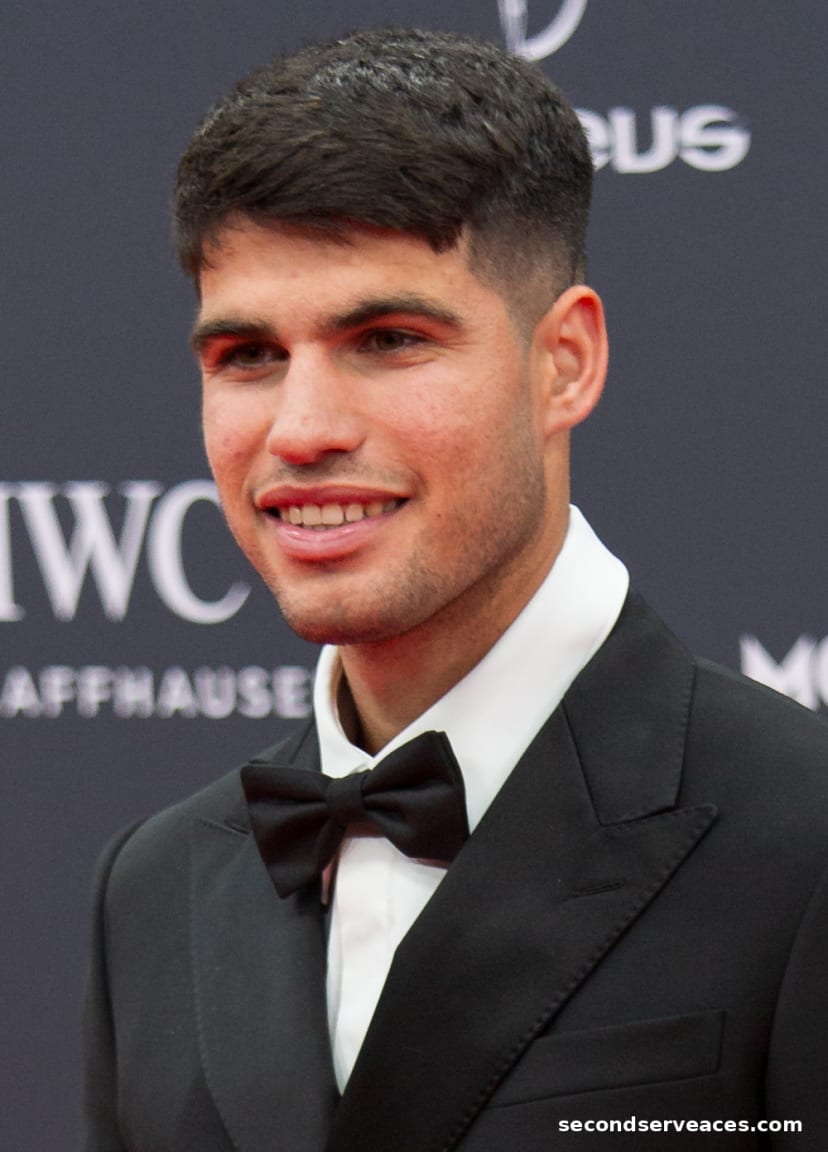
We are seeing the consequences unfold in real-time. Alcaraz will miss the French Open due to a wrist injury—a blow that shifts the landscape of the clay season entirely. These aren't just one-off setbacks; they are symptoms of a sport that has forgotten how to let its best assets catch their breath.
The Silent Absence of the British Contingent
The situation hits home when you look at the mounting injury list within the British ranks. Sonay Kartal, for instance, has been sidelined for the entire clay swing after sustaining a back injury at Indian Wells back in March. Back injuries on clay aren't accidents; they are the result of constant, jerky changes in direction on a surface that refuses to give.
Then there is Emma Raducanu, who was forced to withdraw from the Italian Open in Rome due to lingering post-viral symptoms. We talk about the "fight" in a match, but the real battle often happens behind closed doors, in hotel rooms, trying to recalibrate a nervous system that has been pushed past its tipping point.
The common thread across the board—from established champions like Taylor Fritz and Jessica Pegula to rising stars like Jack Draper—is the realization that the calendar is no longer a path to greatness, but a gauntlet. When talent like Katie Boulter or Cameron Norrie has to constantly manage their fitness alongside their technique, the quality of our sport suffers.
The Architecture of an Unfair Fight
The structure of the tour mandates that stars essentially sacrifice their off-season to satisfy sponsorship and media obligations. This creates a feedback loop where injuries become the default state of the athlete. You can’t build topspin, you can't hone your serve, and you certainly can't win a major title if you're spending half your season in a physio tent.
Players like Aryna Sabalenka, Francesca Jones, and Jacob Fearnley operate within a system that punishes moderation. If you pull out to protect your health, you drop in the rankings. If you play through, you risk the kind of long-term damage that ends careers before they reach their peak.
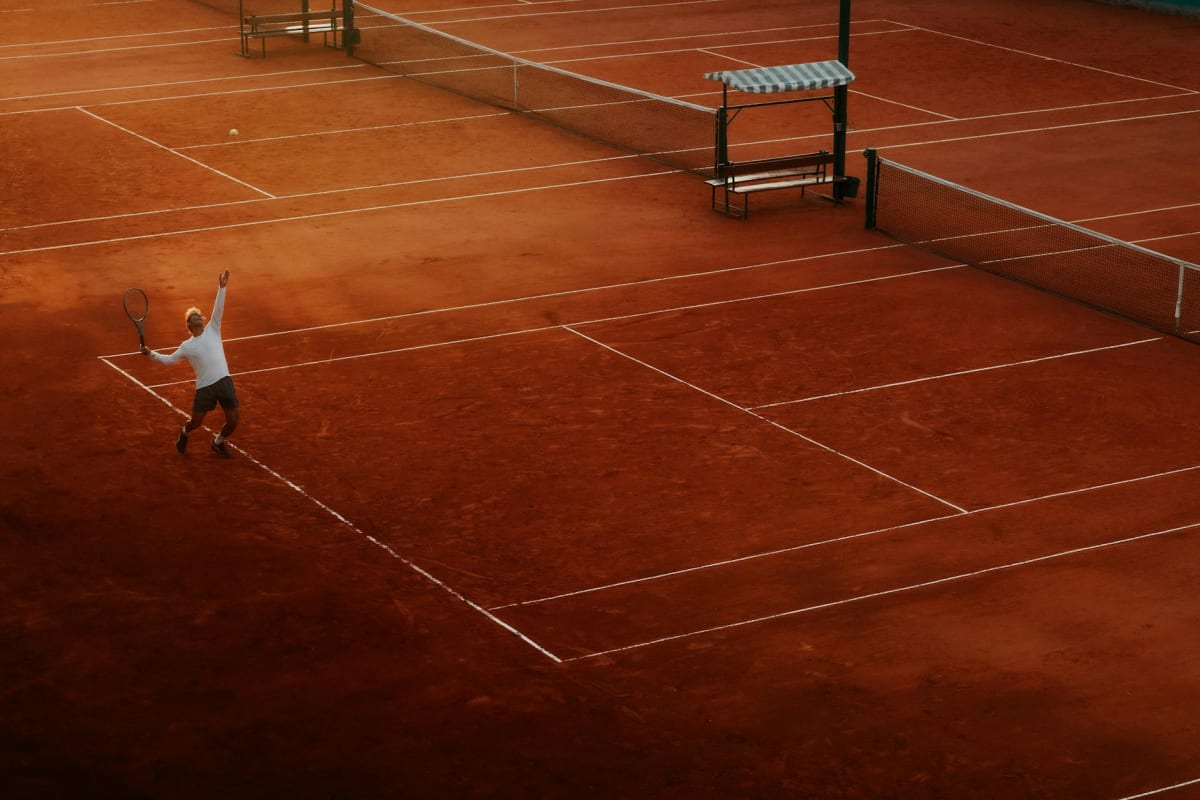
We are currently at a crossroads. Either the governing bodies start prioritizing the longevity of their assets over the frequency of the events, or we continue to watch the sport’s most compelling narratives cut short by medical withdrawals. The red dirt of Rome is unforgiving, but it’s not half as harsh as the schedule itself.
Looking Beyond the Withdrawal Headlines
We need to stop treating these withdrawals as isolated bad luck. When a list of top-tier talent starts falling like dominoes, you don't look at the players; you look at the machine. There is a distinct lack of harmony between the physical realities of the human body and the commercial demands of the tour.
As we head deeper into this clay cycle, ask yourself if the matches we aren't seeing are more important than the ones we are. Every time a name disappears from a draw, the sport loses a bit of its soul. It's time for the people running the show to start listening to the echoes in the locker rooms.
If we want this sport to survive the next decade, the focus has to shift from sheer volume to sustainable excellence. The players are giving everything they have—it’s time the calendar started giving them a fighting chance.
What Carlos Alcaraz Plays With
Babolat Pure Aero 98
Babolat RPM Blast 1.30
Babolat VS Original (12-Pack)
Nike Vapor Pro 2
Analyze Jack Draper vs. Sonay Kartal
Predict tactical adjustments, momentum swings, and serve strategy options for this match-up using our AI simulator.
The Aces Tactical Panel
This report was curated and edited by Bhaskar Goel. Tactical analysis and technical insights were provided by our specialized panel of expert correspondents.
Julian Price
Senior Tactical Correspondent
Stuffy, pedantic British academic and historian specializing in match momentum and historical context.
Elena Cruz
Director of Analytical Research
Data scientist specializing in court surface physics and movement patterns.
Bhaskar
The Editor & Fan
Passionate tennis player and site editor bringing everyday amateur insights and relatable fan commentary.
Arthur Vance
Senior Existential Analyst
Deep, eccentric, and DFW-inspired. Models court metaphysics, kinetic beauty, and player psychology.
Leo Sterling
High-Performance Consultant
Hard-nosed ex-trainer from Melbourne with a no-nonsense view on tour fitness.