The Ascent in Houston
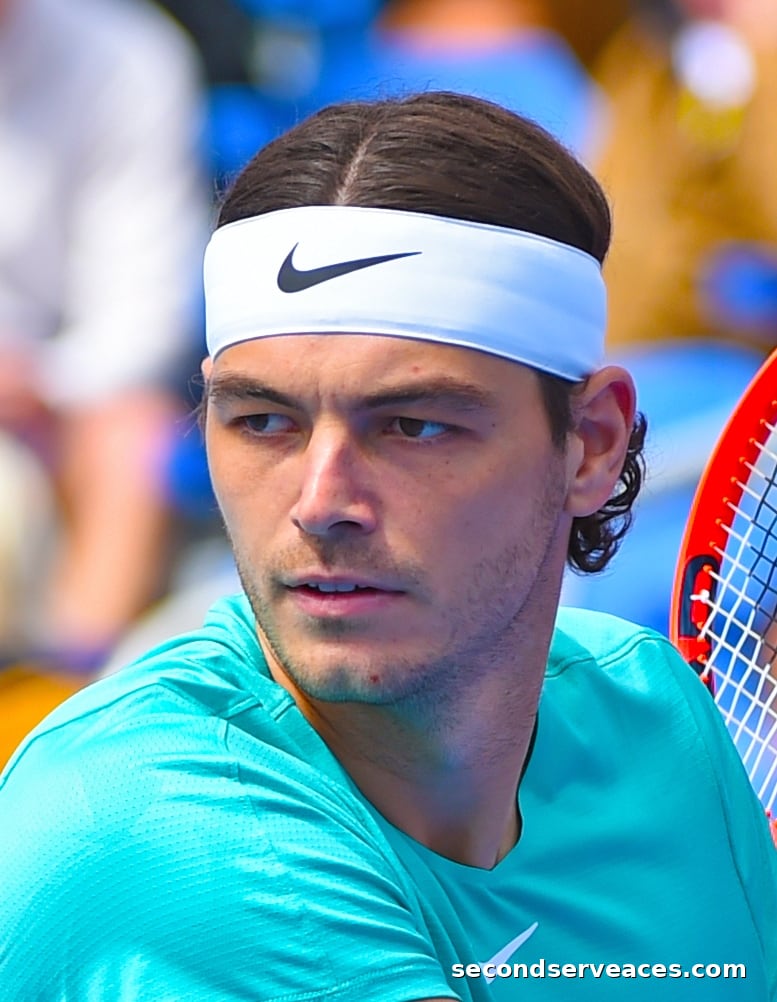
The hierarchy of American men's tennis is hovering on a knife's edge. Ben Shelton enters the Houston Open with a singular, mathematical objective: overtake Taylor Fritz to claim the mantle of the top-ranked American. With Fritz currently holding firm at world number 8, the margins couldn't be tighter. Shelton trails by a mere 10 points in the ATP Live rankings, sitting at 3,860 points. One solitary victory in Houston is all that separates Shelton from the top spot.
Listen to the Second Serve Podcast
Get our daily AI-synthesized audio briefings and match reviews on the go.
This pursuit isn't happening in a vacuum. It is a direct continuation of the momentum Shelton generated during his 3-6, 6-3, 7-5 result against Fritz in the Dallas Open final. That match served as a clinical display of how Shelton can solve the tactical puzzles Fritz presents on court.
The Tactical Breakdown
To displace a player like Fritz, one must manipulate the court geometry in specific, high-pressure windows. Fritz’s game is built upon a foundation of structured, heavy-hitting baseline patterns. He looks to command the center of the court, utilizing his serve as a launchpad for controlled, aggressive groundstrokes.
- Serve Placement: Shelton’s ability to generate explosive pace on his first serve allows him to dictate the initial phase of the rally. Against a player with Fritz's rally tolerance, Shelton must prioritize wide slice serves on the deuce court to open up the ad-court T for his forehand.
- Net Transition: We’ve seen Shelton evolve his net-approach frequency. By forcing short balls through deep, penetrating topspin, he denies Fritz the rhythm he craves at the baseline.
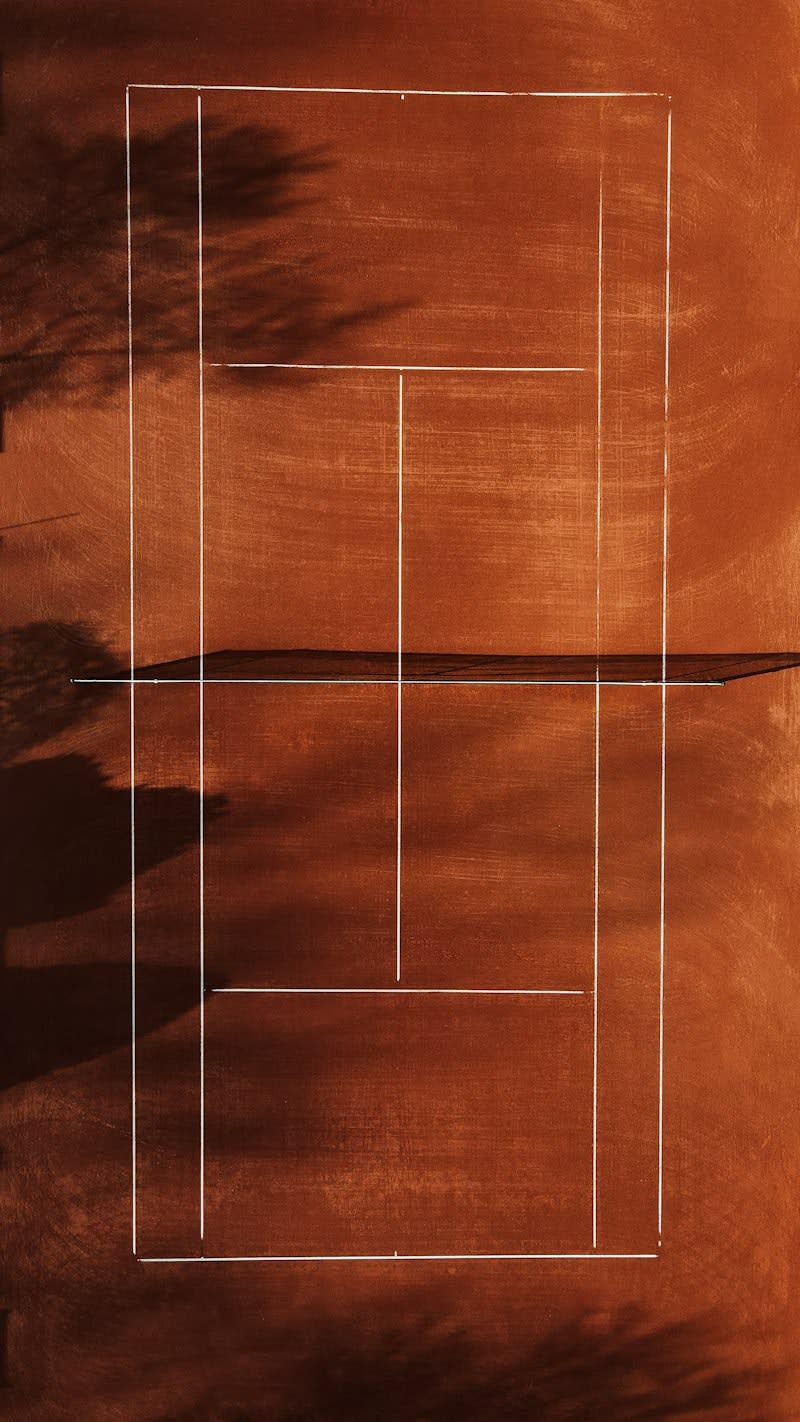
- Clay Surface Dynamics: The Houston clay adds a variable of patience. Unlike the rapid hard courts of Dallas, the dirt surface demands a higher rally tolerance and more variation in trajectory. Shelton’s capacity to mix in heavy, high-bouncing shots to Fritz’s backhand wing will be the primary lever for success this week.
The Bigger Picture
Success in Houston is about more than just a ranking number; it’s about establishing territorial dominance within the US contingent. Shelton’s versatility is already on display, as he has advanced to the semifinals of the doubles draw alongside Andres Andrade. This deep run speaks to his growing comfort with the surface and his ability to maintain physical intensity across multiple formats.
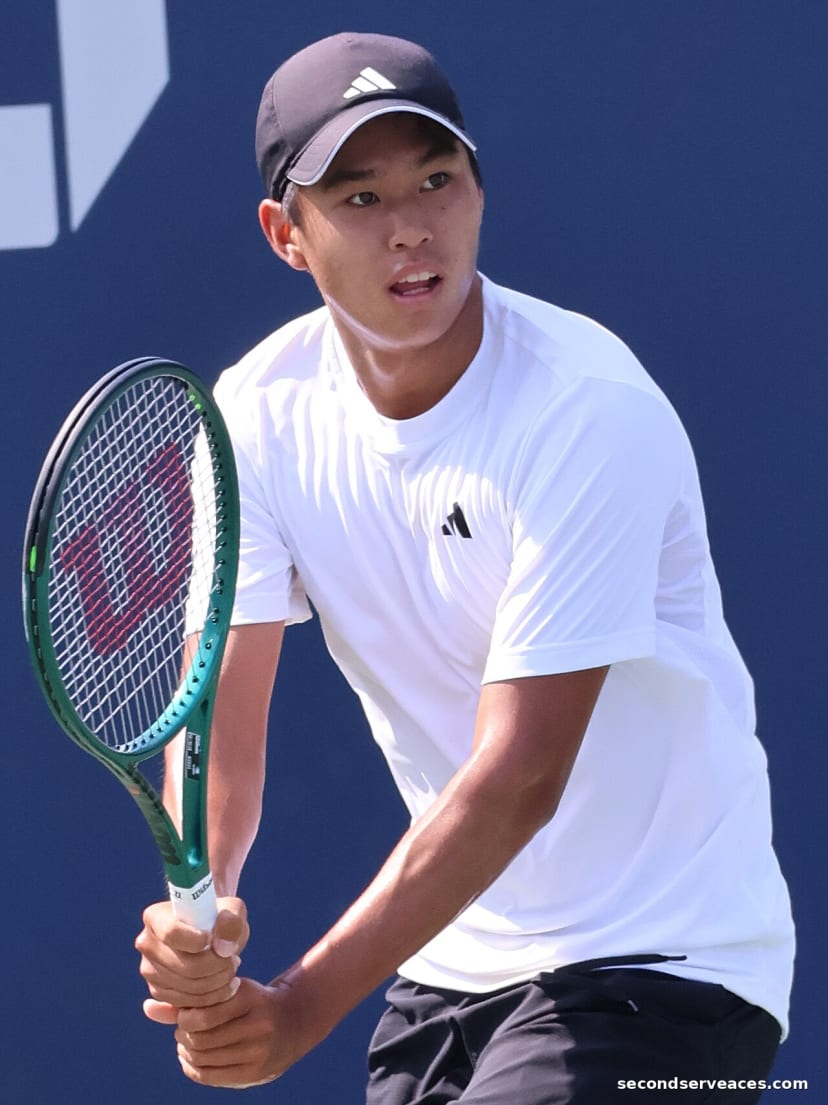
While the focus remains on the singles draw, the broader narrative is one of a changing guard. Players like Zhang Zhizhen—who looked sharp in his 6-1, 6-3 dispatch of Jack Pinnington Jones—are keeping the field honest. However, for Shelton, the roadmap is clear. He has shown he can beat the current American leader in a high-stakes, three-set battle. Now, the burden shifts to consistency. To claim the #1 American ranking is to signal that his Dallas performance was a baseline, not an outlier.
What Ben Shelton Plays With
Yonex Ezone 98 (7th Gen)
Yonex Poly Tour Pro 125
Yonex Super Grap (12-Pack)
Analyze Ben Shelton vs. Taylor Fritz
Predict tactical adjustments, momentum swings, and serve strategy options for this match-up using our AI simulator.
The Aces Tactical Panel
This report was curated and edited by Bhaskar Goel. Tactical analysis and technical insights were provided by our specialized panel of expert correspondents.
Julian Price
Senior Tactical Correspondent
Stuffy, pedantic British academic and historian specializing in match momentum and historical context.
Elena Cruz
Director of Analytical Research
Data scientist specializing in court surface physics and movement patterns.
Bhaskar
The Editor & Fan
Passionate tennis player and site editor bringing everyday amateur insights and relatable fan commentary.
Arthur Vance
Senior Existential Analyst
Deep, eccentric, and DFW-inspired. Models court metaphysics, kinetic beauty, and player psychology.
Leo Sterling
High-Performance Consultant
Hard-nosed ex-trainer from Melbourne with a no-nonsense view on tour fitness.