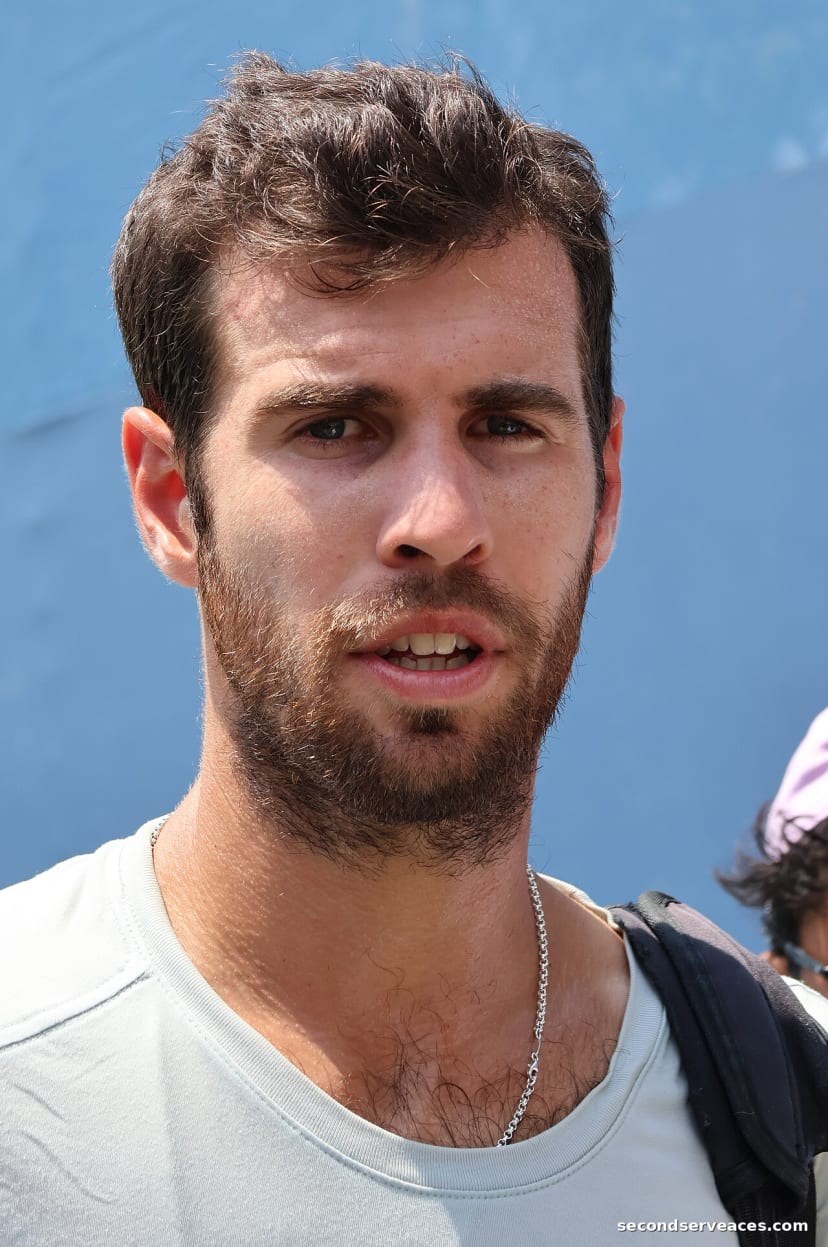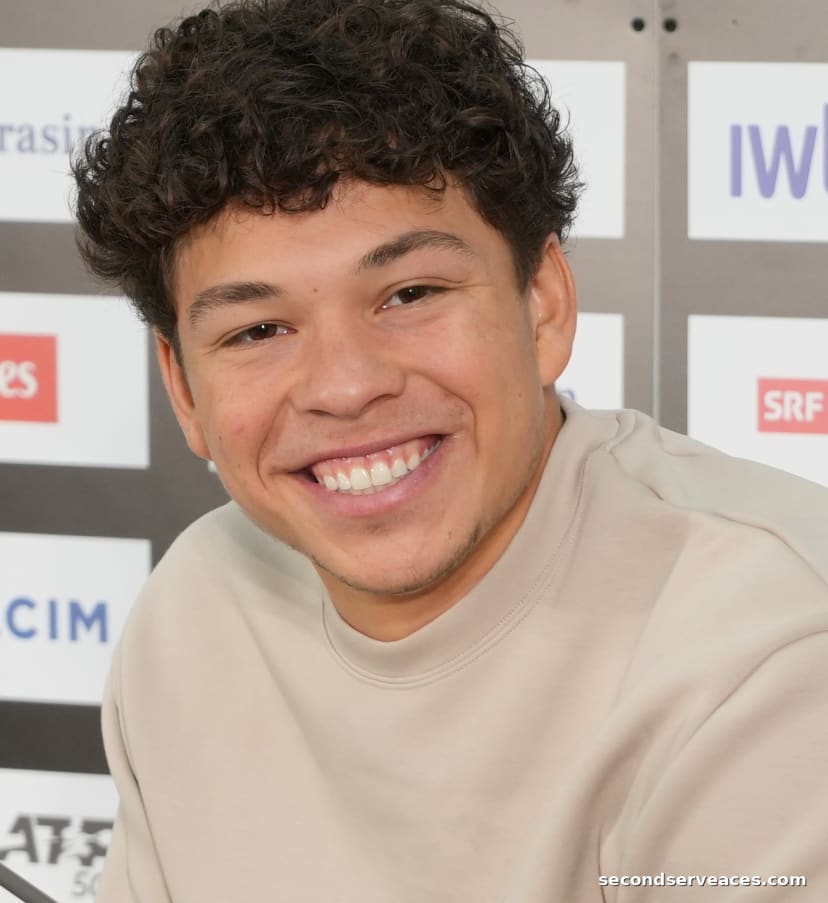
Indian Wells Heats Up: Day 2 ATP Predictions
The ATP Masters 1000 event in Indian Wells is underway, and Day 2 promises compelling first-round matchups. While the big guns await their second-round tests, several intriguing contests are on the docket. Let's dissect the potential storylines, tactical nuances, and broader implications of these early-round clashes on the hard courts of the California desert.
Listen to the Second Serve Podcast
Get our daily AI-synthesized audio briefings and match reviews on the go.
Key Matchups at a Glance:
- Arnaldi vs. McDonald: A rematch with Arnaldi holding a 1-0 head-to-head lead, per the available data.
- Michelsen vs. Aguilar: A first-time encounter between the young American and Aguilar.
- Marozsan vs. Bautista Agut: A seasoned veteran against a rising star, with Bautista Agut leading the head-to-head 2-1.
- Shevchenko vs. Shimabukuro: Another fresh matchup, as these two have never faced off before.
The Tactical Breakdown
Tennis, at its heart, is a game of exploiting weaknesses. While specific match tactics depend on real-time adjustments, understanding each player's core style provides a crucial framework.
Consider the Marozsan vs. Bautista Agut contest. Bautista Agut is a known grinder, someone who uses court positioning and consistency to extract errors from his opponents. His game has always relied on pressuring the backhand of opponents, while dictating play from the baseline. Marozsan, on the other hand, likely plays with more raw power and aggression than Bautista Agut. He will need to dictate play and not allow Bautista Agut to get comfortable in cross-court rallies. The tactical key for Marozsan will be finding the right balance of controlled aggression and avoiding unforced errors against a steady opponent.
The other matches, being first-time encounters or with limited head-to-head data, offer a blank canvas. Michelsen will aim to use his serve placement patterns to unsettle Aguilar, while Arnaldi, having previously defeated McDonald, will likely revisit the same tactical blueprint – potentially emphasizing high rally tolerance and forcing McDonald to overpress.
The Bigger Picture
Indian Wells serves as a crucial early-season barometer. For players like Bautista Agut, navigating the Masters 1000 events is about maintaining ranking and relevance. A strong showing here can provide crucial momentum for the clay-court swing. For younger players like Marozsan and Michelsen, the goal is clear: to test their games against established players and build ranking points. The hard courts of Indian Wells offer a relatively neutral ground, rewarding all-court tennis and mental fortitude.
Historically, Indian Wells has favored players who can effectively manage the slowish court speed and adapt to the often-windy conditions. Court geometry becomes even more important in these circumstances, rewarding players who can open up angles and force their opponents to cover more ground. The ability to hit through the court and neutralize the wind is always key here in the desert.
Analyze Fabian Marozsan vs. Roberto Bautista Agut
Predict tactical adjustments, momentum swings, and serve strategy options for this match-up using our AI simulator.
The Aces Tactical Panel
This report was curated and edited by Bhaskar Goel. Tactical analysis and technical insights were provided by our specialized panel of expert correspondents.
Julian Price
Senior Tactical Correspondent
Stuffy, pedantic British academic and historian specializing in match momentum and historical context.
Elena Cruz
Director of Analytical Research
Data scientist specializing in court surface physics and movement patterns.
Bhaskar
The Editor & Fan
Passionate tennis player and site editor bringing everyday amateur insights and relatable fan commentary.
Arthur Vance
Senior Existential Analyst
Deep, eccentric, and DFW-inspired. Models court metaphysics, kinetic beauty, and player psychology.
Leo Sterling
High-Performance Consultant
Hard-nosed ex-trainer from Melbourne with a no-nonsense view on tour fitness.