The Case for Green
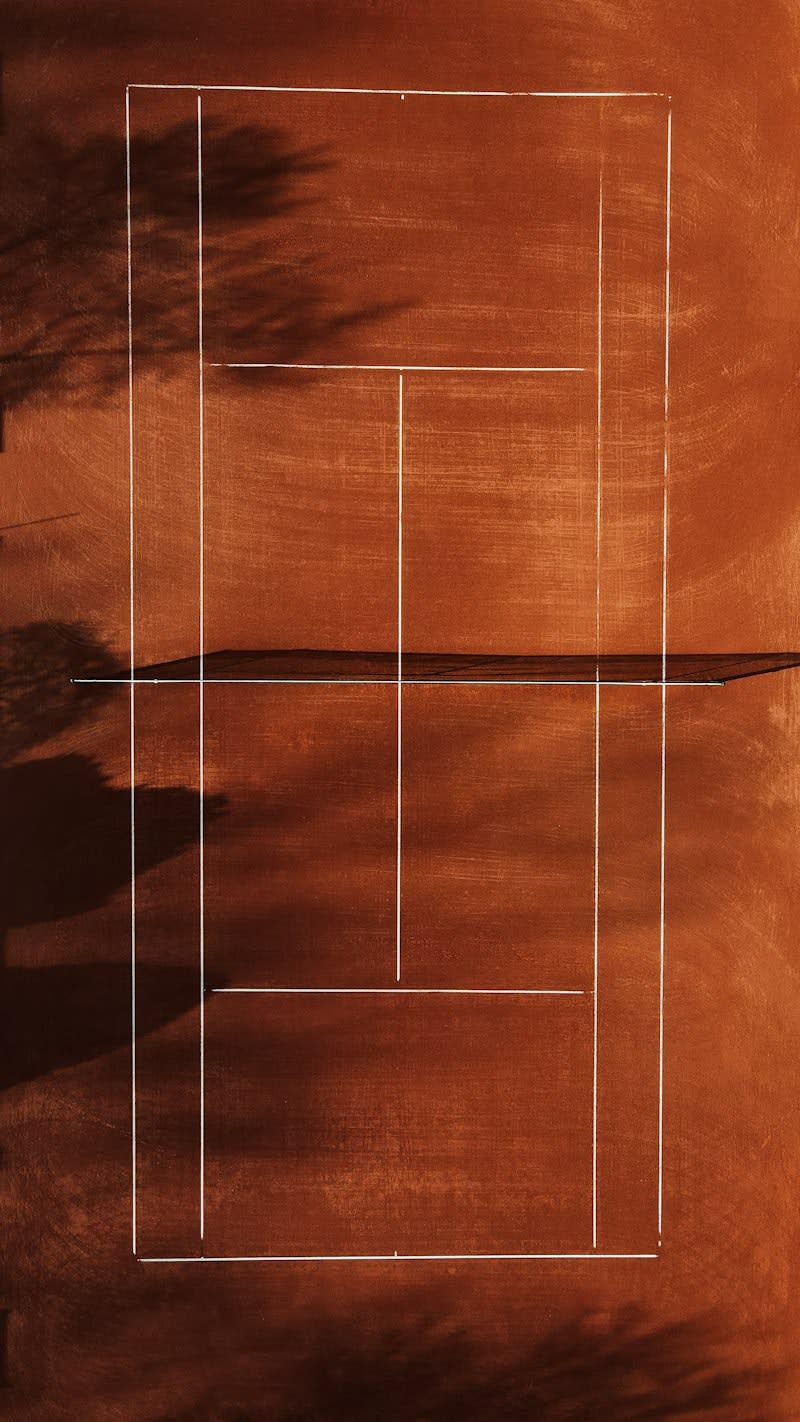
There exists a peculiar geometry to the professional tennis calendar, an asymmetry that whispers—if not shouts—about the sport's priorities. Currently, the ATP Tour sustains a meager diet of seven grass-court events, a number that feels almost anachronistic given the surface's historical gravity. Most conspicuously, the Masters 1000 series, the elite tier of non-Slam competition, remains entirely devoid of grass. It is a desert of green in a season otherwise dominated by hard-court steel and clay-court dust.
Listen to the Second Serve Podcast
Get our daily AI-synthesized audio briefings and match reviews on the go.
The Tactical Breakdown
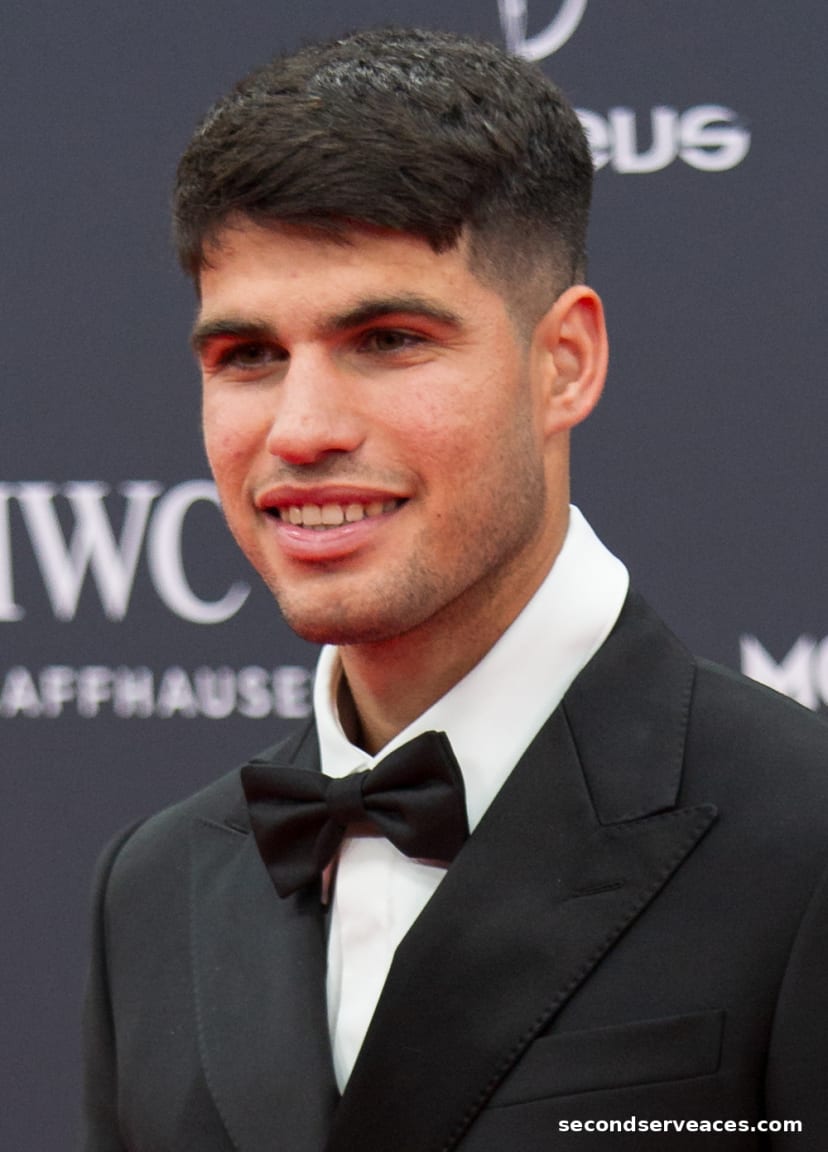
Grass is not merely a surface; it is an environment of accelerated physics. The ball, shorn of the high-friction bite provided by red clay or the standardized bounce of acrylic, skids with a terrifying, low-trajectory velocity. Tactically, this necessitates a specific, high-risk cognitive architecture. Players like Carlos Alcaraz, Jannik Sinner, and Ben Shelton operate in a realm where reaction time is stripped to the millisecond. The absence of a Masters-level event on this surface means the world’s elite—the next generation alongside veterans like Novak Djokovic—lack a high-stakes laboratory to refine their net approach frequencies and short-angle slice variations before the ultimate test at Wimbledon.
The Bigger Picture
Andy Roddick, speaking on his Served Podcast, has long been a vocal proponent for addressing this imbalance. His analysis cuts through the romanticism of the surface to address the grim reality of maintenance. Grass, unlike its synthetic cousins, is organic matter. It bruises; it scars. Roddick notes that because grass courts deteriorate so rapidly, even seeded players at Wimbledon are often denied access to practice on the main stadium courts. This creates a fascinating paradox: the players tasked with performing on the sport's most hallowed ground are forced to prepare on inferior surfaces, fundamentally altering the nature of match momentum and the tactical ceiling of the tournament.
Logistical Realities and Surface Representation
- There are currently only seven grass-court events on the ATP Tour, including Wimbledon.
- Zero of the nine existing Masters 1000 tournaments are held on grass.
- Surface-specific training is often truncated due to the fragile state of grass infrastructure.
Integrating a grass-court Masters 1000 would force the ATP to confront the delicate balance between tradition and the punishing physics of a professional circuit that never stops. Whether the tour can solve the agronomic challenges of maintaining stadium-grade grass for ten days of intense competition remains a question for the engineers of the game. For now, the calendar remains skewed, leaving the fastest surface in tennis without a proper stage for its greatest masters.
What Carlos Alcaraz Plays With
Babolat Pure Aero 98
Babolat RPM Blast 1.30
Babolat VS Original (12-Pack)
Nike Vapor Pro 2
Analyze Carlos Alcaraz vs. Jannik Sinner
Predict tactical adjustments, momentum swings, and serve strategy options for this match-up using our AI simulator.
The Aces Tactical Panel
This report was curated and edited by Bhaskar Goel. Tactical analysis and technical insights were provided by our specialized panel of expert correspondents.
Julian Price
Senior Tactical Correspondent
Stuffy, pedantic British academic and historian specializing in match momentum and historical context.
Elena Cruz
Director of Analytical Research
Data scientist specializing in court surface physics and movement patterns.
Bhaskar
The Editor & Fan
Passionate tennis player and site editor bringing everyday amateur insights and relatable fan commentary.
Arthur Vance
Senior Existential Analyst
Deep, eccentric, and DFW-inspired. Models court metaphysics, kinetic beauty, and player psychology.
Leo Sterling
High-Performance Consultant
Hard-nosed ex-trainer from Melbourne with a no-nonsense view on tour fitness.