The Economic Disparity at the Heart of the Tour
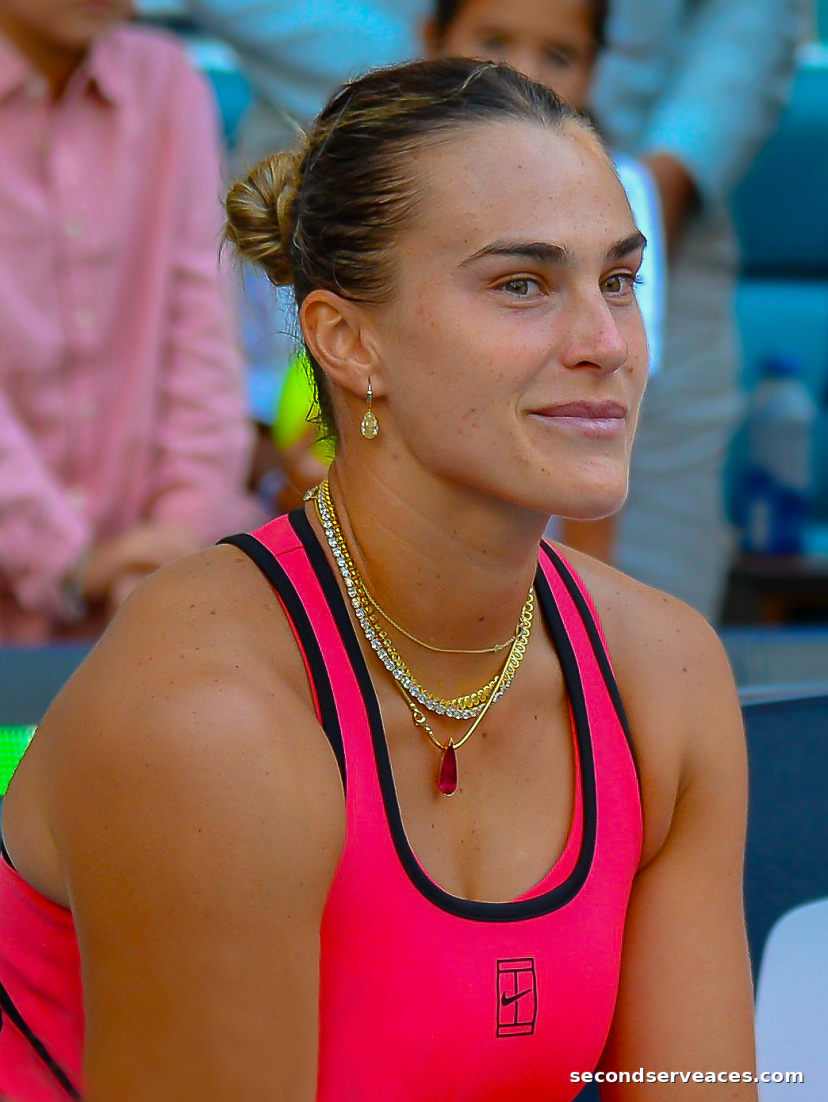
During a Tuesday news conference at the Italian Open, current WTA World No. 1 Aryna Sabalenka brought a sharp, focused lens to the financial architecture of the sport. Moving beyond the baseline, Sabalenka addressed the systemic gap between player compensation and the massive commercial revenues generated by the four Grand Slams.
Listen to the Second Serve Podcast
Get our daily AI-synthesized audio briefings and match reviews on the go.
The core of the issue lies in the disparity between the current financial reality and the expectations of the playing field. While players are preparing for the upcoming French Open, where the anticipated revenue share for competitors hovers near 15%, the players are pushing for a threshold of 22%. It is a structural critique that mirrors the tactical precision Sabalenka brings to her own baseline power game.
This discussion highlights the unique professional standing of the athletes. Because players act as independent contractors and remain currently un-unionized, they lack the collective bargaining leverage often seen in major professional team sports. Sabalenka’s willingness to vocalize these figures signals an urgent shift in how the top of the WTA hierarchy views their agency in contract negotiations.
The Calculus of Collective Action
Sabalenka did not mince words when addressing the potential for extreme measures. By raising the prospect of a Grand Slam boycott, she has injected a volatile variable into the relationship between the governing bodies and the premier athletes of the game. For an elite performer, the court is usually the only arena for contention, but these comments suggest the boardroom may soon become equally critical.
Comparisons to the era of Ash Barty or other former stalwarts serve only to underscore how rapidly the conversation has evolved toward institutional reform. The pressure to increase the revenue share is not merely about prize money; it is about establishing a sustainable economic floor for all players on the WTA rankings, ensuring that the sport’s most valuable assets are compensated in alignment with its global commercial growth.
The lack of a formal union, as noted by Sabalenka, remains the primary hurdle. Without a unified body to represent the collective, individual icons are forced to become the faces of policy change. Sabalenka’s initiative at the Internazionali BNL d’Italia establishes her as a pivot point for this movement, effectively moving the debate from locker room chatter to center-stage discourse.
What Aryna Sabalenka Plays With
Wilson Blade 98 v9 (16x19)
Luxilon ALU Power 125
Analyze Aryna Sabalenka vs. Ash Barty
Predict tactical adjustments, momentum swings, and serve strategy options for this match-up using our AI simulator.
The Aces Tactical Panel
This report was curated and edited by Bhaskar Goel. Tactical analysis and technical insights were provided by our specialized panel of expert correspondents.
Julian Price
Senior Tactical Correspondent
Stuffy, pedantic British academic and historian specializing in match momentum and historical context.
Elena Cruz
Director of Analytical Research
Data scientist specializing in court surface physics and movement patterns.
Bhaskar
The Editor & Fan
Passionate tennis player and site editor bringing everyday amateur insights and relatable fan commentary.
Arthur Vance
Senior Existential Analyst
Deep, eccentric, and DFW-inspired. Models court metaphysics, kinetic beauty, and player psychology.
Leo Sterling
High-Performance Consultant
Hard-nosed ex-trainer from Melbourne with a no-nonsense view on tour fitness.