The Evolution of the World No. 1
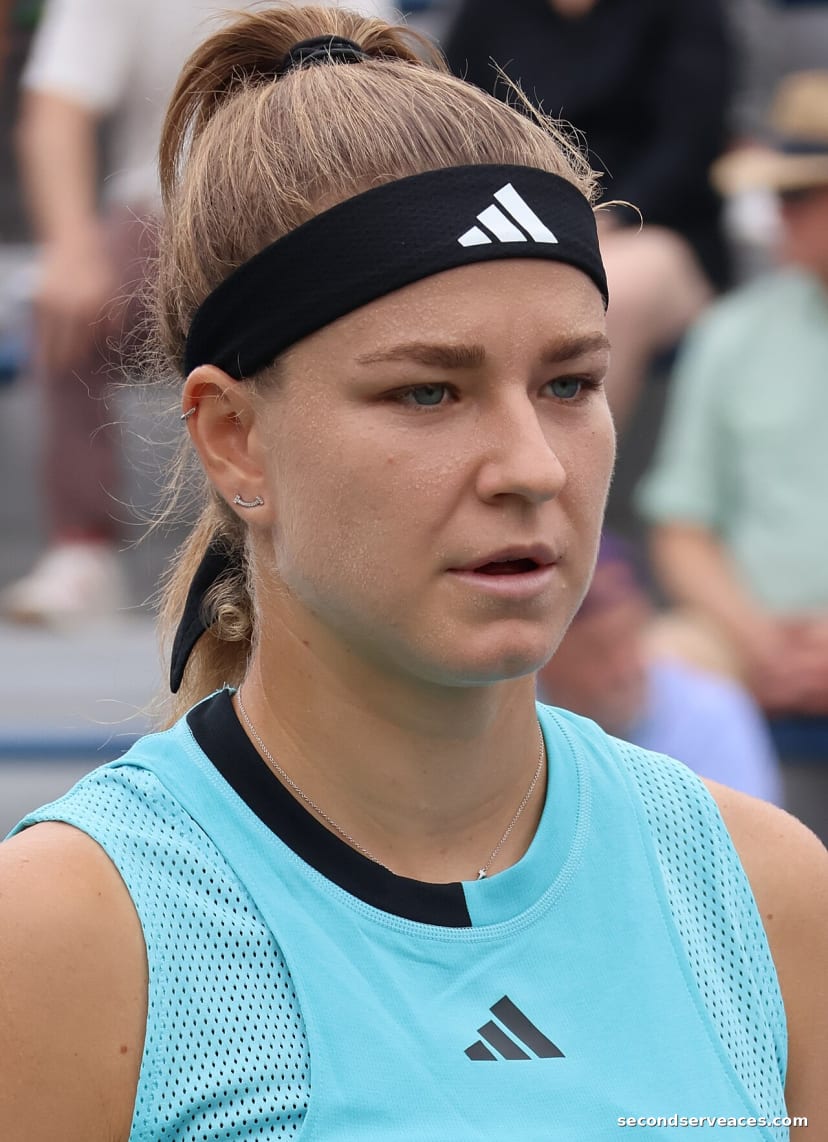
Aryna Sabalenka, who celebrated her 28th birthday on May 5, 2026, enters the clay season as the WTA standard-bearer. Following her victory in the Sunshine Double earlier this season, the Belarusian is currently navigating the transition from high-velocity hardcourt conditions to the nuanced friction of Roland Garros.
Listen to the Second Serve Podcast
Get our daily AI-synthesized audio briefings and match reviews on the go.
While her four career Grand Slam titles have all been secured on hardcourts, her focus has shifted toward refining the heavy topspin necessary to penetrate the Parisian dirt. The tactical adjustments required to shift from the low-bouncing, fast-paced hardcourts to the sliding, unpredictable nature of red clay remain the primary hurdle in her bid to add a clay-court major to her resume.
Sabalenka’s Wikipedia profile highlights a career defined by aggression, but the 2026 iteration of her game demands a more disciplined approach to court positioning. By integrating defensive lateral movement with her signature power, she aims to avoid the vulnerabilities that led to her defeat against Coco Gauff in last year's French Open final.
The Aesthetics of Tactical Readiness
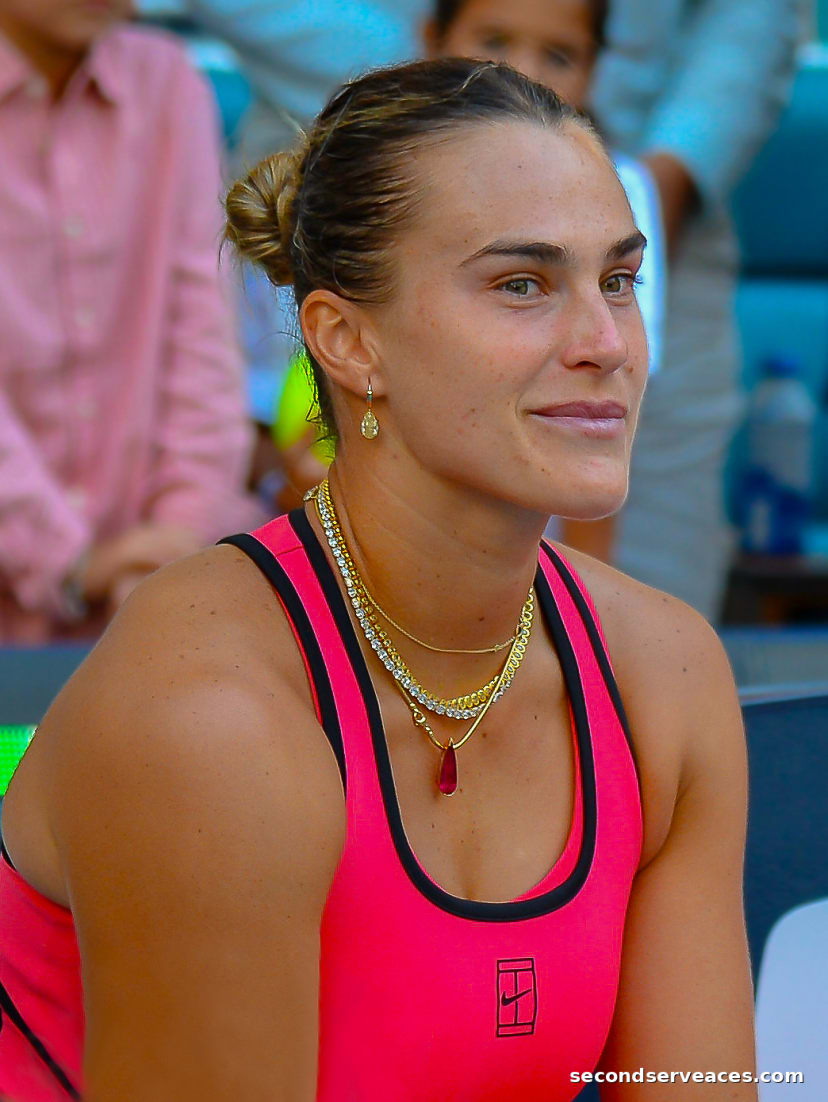
Fashion in professional tennis is rarely just about style; it is an extension of the branding that surrounds an elite athlete. Sabalenka’s recent TikTok reveal of her Nike kit for the upcoming Grand Slam showcases a two-tone red and black motif, a choice that contrasts sharply against the crushed brick of the Parisian courts. For a player whose identity is built on intimidation, this visual branding aligns with the intensity of her baseline game.
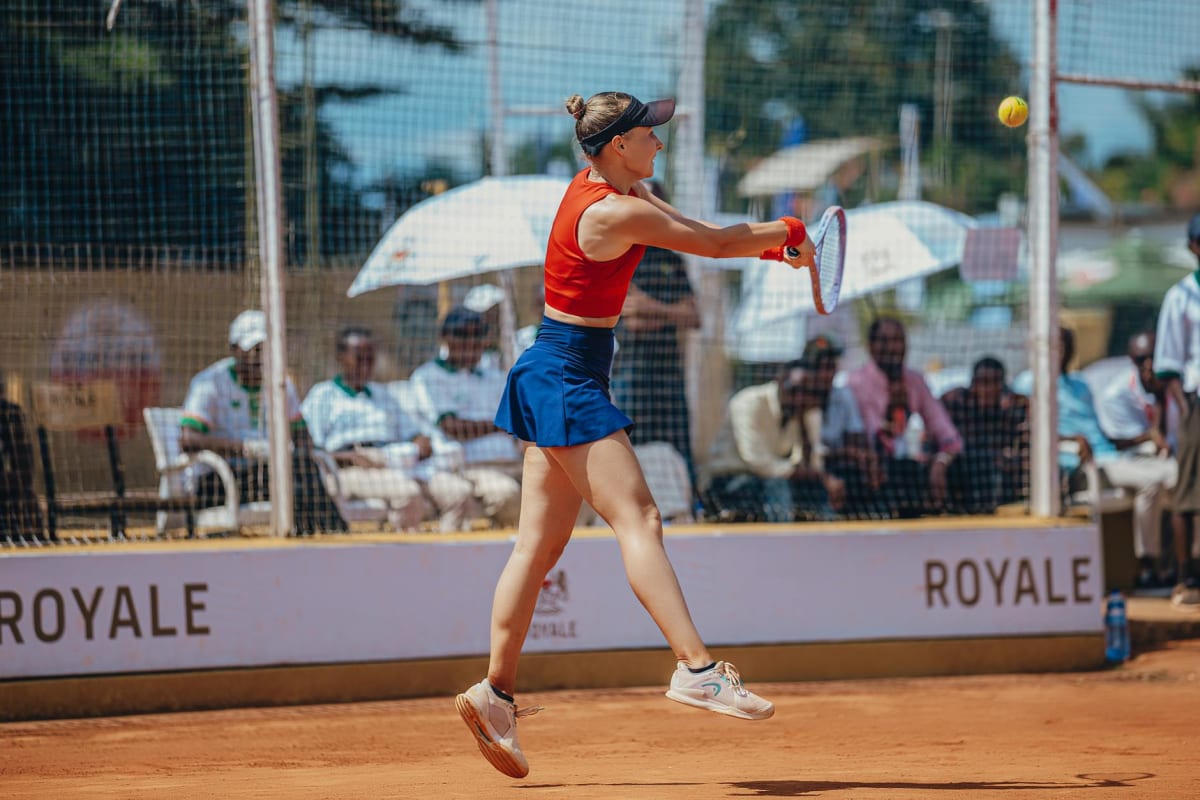
Beyond the fabric, these kits are engineered for the specific movement patterns required for elite clay-court play. The transition from the Italian Open to Roland Garros necessitates apparel that allows for constant lunging, sliding, and rapid recovery from extreme wide angles. Sabalenka’s preparation, both in movement and gear, signals a methodical approach to one of the most demanding physical tests on the tour.
Integrating these technical considerations is essential for the World No. 1, who understands that sustained pressure on clay is as much about kinetic chain management as it is about shot selection. Her recent successful campaign suggests that the mental fortitude required to manage the longer rallies inherent to clay court tennis is now firmly entrenched.
Tactical Parallels in the Women's Draw
The field heading into Paris remains deeply competitive, with players like Coco Gauff and veteran stalwarts such as Venus Williams influencing the tactical discourse. For Sabalenka, the challenge is not just winning matches, but mastering the geometry of the court to negate opponents who thrive on defensive grit and consistency.
The influence of high-performance data on her current training regimen is evident. By leveraging her aggressive baseline style while tempering the risk-reward ratio on second serves, she is systematically attempting to close the gap between her hardcourt excellence and her performance on clay. This refinement is critical for someone who demands perfection in every stroke.
As the tour turns its eyes toward the primary clay-court showcase, all eyes are on whether Sabalenka can sustain the momentum generated by her earlier titles. She is no longer just a power hitter; she is a tactical contender adapting her entire philosophy to conquer the surface that has proven to be the most elusive of her career.
What Aryna Sabalenka Plays With
Wilson Blade 98 v9 (16x19)
Luxilon ALU Power 125
Wilson Pro Overgrip (12-Pack)
Analyze Aryna Sabalenka vs. Coco Gauff
Predict tactical adjustments, momentum swings, and serve strategy options for this match-up using our AI simulator.
The Aces Tactical Panel
This report was curated and edited by Bhaskar Goel. Tactical analysis and technical insights were provided by our specialized panel of expert correspondents.
Julian Price
Senior Tactical Correspondent
Stuffy, pedantic British academic and historian specializing in match momentum and historical context.
Elena Cruz
Director of Analytical Research
Data scientist specializing in court surface physics and movement patterns.
Bhaskar
The Editor & Fan
Passionate tennis player and site editor bringing everyday amateur insights and relatable fan commentary.
Arthur Vance
Senior Existential Analyst
Deep, eccentric, and DFW-inspired. Models court metaphysics, kinetic beauty, and player psychology.
Leo Sterling
High-Performance Consultant
Hard-nosed ex-trainer from Melbourne with a no-nonsense view on tour fitness.