The Anatomy of a Collective Stand
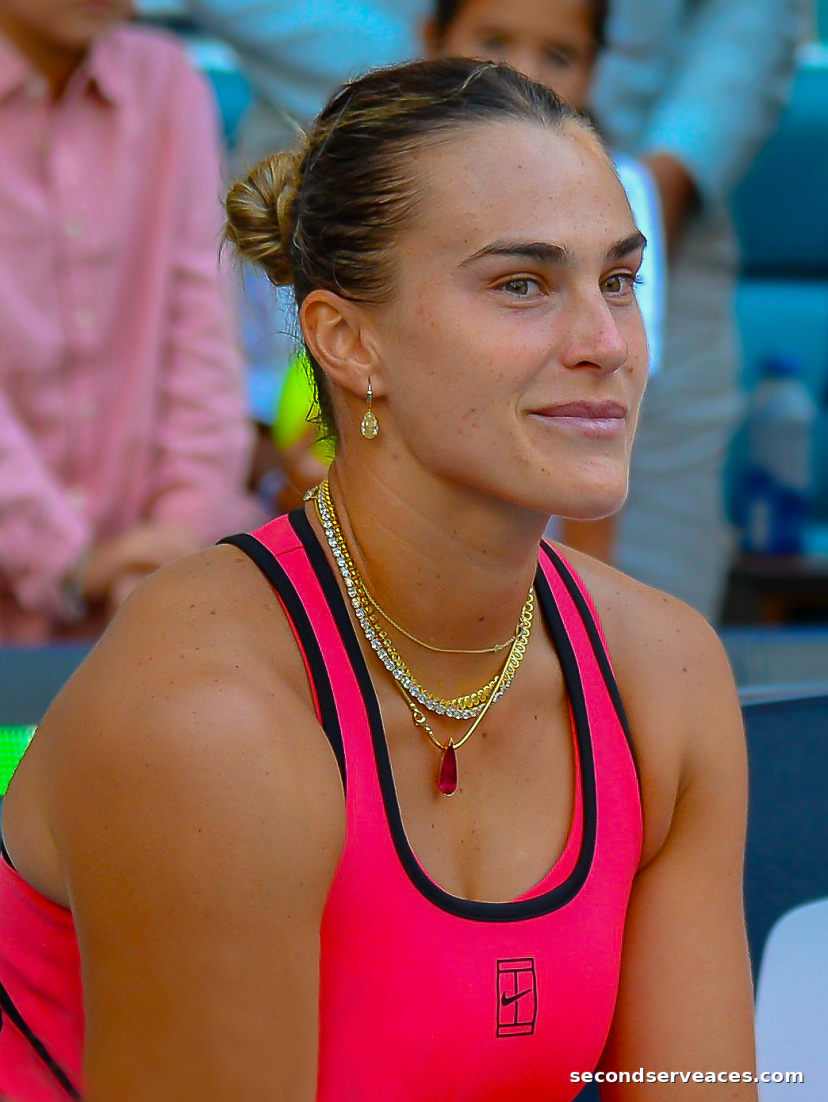
Tennis is a game of fine margins, but the conversation has shifted from the baseline to the boardroom. Aryna Sabalenka, the current WTA world No. 1, has turned her focus toward the structural inequities inherent in the sport's most prestigious events. For years, the Grand Slams have operated as separate fiefdoms, but the players are finally finding their collective voice to demand a larger piece of the pie.
Listen to the Second Serve Podcast
Get our daily AI-synthesized audio briefings and match reviews on the go.
The core of the grievance is rooted in cold, hard numbers. Sabalenka has made it clear that athletes are seeking a higher percentage of tournament revenues, specifically pushing for prize money to scale to 22% of total intake. It is a bold ask, but one born from the reality that while the events grow in prestige and profit, the compensation for those who actually put the ball in play often lags behind the enterprise value.
This isn't just a solo mission for the Belarusian star. Jasmine Paolini has publicly confirmed that the unity between the men’s and women’s tours is stronger than ever. The threat of a boycott isn't empty rhetoric; it’s a strategic lever being pulled to gain long-overdue leverage in negotiations regarding pension plans, health coverage, and improved representation.
Beyond the Prize Pool: Securing the Future
The demands extend far beyond just the size of the check. The athletes are looking for structural stability that the current WTA model struggles to guarantee over the long arc of a career. Access to health options and formal pension plans are no longer just 'nice to haves'—they are essential safeguards for players who put their physical longevity on the line every time they step onto the clay in Rome or the hard courts of New York.
There is a grit in the way these players are approaching this, a sentiment echoed by the intensity found on court during the Italian Open. When you look at the commitment required to climb the rankings, it becomes clear why the lack of a standardized, player-friendly benefit structure feels like a betrayal of the sport's greatest assets.
History suggests that tennis is rarely a unified front, but the current atmosphere is undeniably different. By linking their professional future to a potential boycott, these athletes are forcing the four Grand Slams to treat them as partners rather than independent contractors. The clock is ticking, and with the 2026 French Open looming on the horizon for May 24, 2026, the urgency is palpable.
The Leverage of a United Tour
The coordination between genders is the most dangerous development for the status quo. Previously, tournaments could play the tours against each other, exploiting internal divides to maintain the current revenue distribution. That tactic is dying. When players like Sabalenka and Paolini stand shoulder-to-shoulder, they represent the entire industry's labor force.
The risk of a boycott is the ultimate 'break point' for tournament organizers. If the premier names in the game choose to sit out, the broadcast value, ticket sales, and sponsor engagement of a Grand Slam evaporate instantly. It is a high-stakes gamble, but the players seem prepared to trade the immediate glory of a trophy for the long-term survival of their peers.
This is the mental grind of the tour translated into political action. Just as you have to fight for every point in a third-set tiebreak, the players are fighting for their place in the economic structure. Whether this leads to a resolution or a historic stand-off remains to be seen, but the days of quiet compliance are firmly in the rearview mirror.
What Aryna Sabalenka Plays With
Wilson Blade 98 v9 (16x19)
Luxilon ALU Power 125
Analyze Aryna Sabalenka vs. Jasmine Paolini
Predict tactical adjustments, momentum swings, and serve strategy options for this match-up using our AI simulator.
The Aces Tactical Panel
This report was curated and edited by Bhaskar Goel. Tactical analysis and technical insights were provided by our specialized panel of expert correspondents.
Julian Price
Senior Tactical Correspondent
Stuffy, pedantic British academic and historian specializing in match momentum and historical context.
Elena Cruz
Director of Analytical Research
Data scientist specializing in court surface physics and movement patterns.
Bhaskar
The Editor & Fan
Passionate tennis player and site editor bringing everyday amateur insights and relatable fan commentary.
Arthur Vance
Senior Existential Analyst
Deep, eccentric, and DFW-inspired. Models court metaphysics, kinetic beauty, and player psychology.
Leo Sterling
High-Performance Consultant
Hard-nosed ex-trainer from Melbourne with a no-nonsense view on tour fitness.