The Anatomy of Perfection
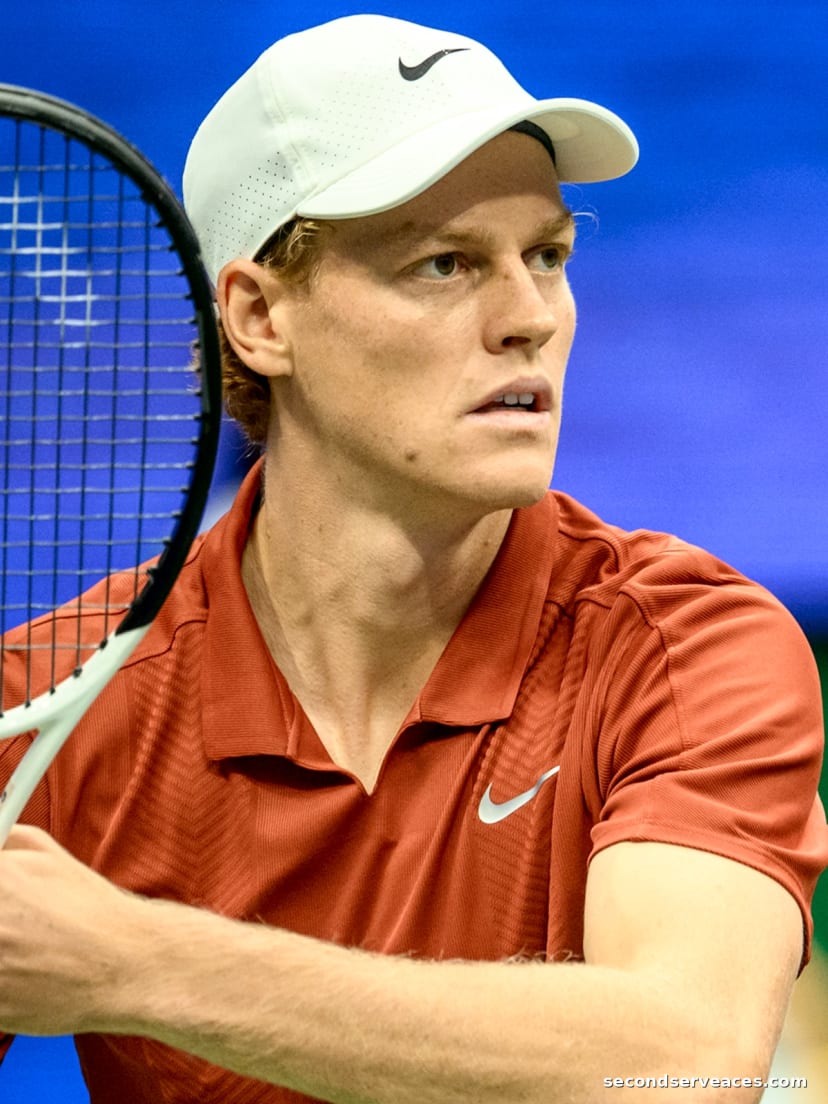
There is a quiet, ruthless efficiency to the way Jannik Sinner is currently dismantling the field. Winning the Sunshine Double—taking titles in both Indian Wells and the Miami Open—without dropping a single set is not just a statistical anomaly; it is a display of total court command. With this result, Sinner has pushed his unbeaten streak in Masters 1000 events to 19 matches, a figure that demands we stop looking at him as a rising talent and start evaluating him as a pillar of the men’s game.
Listen to the Second Serve Podcast
Get our daily AI-synthesized audio briefings and match reviews on the go.
The Tactical Breakdown
When we look at the mechanics, the improvement is quantifiable. Andy Roddick recently highlighted a critical shift in Sinner’s profile: the Italian’s holding percentage has climbed from 92% to 94%. In a game of margins as thin as this, that two-percent jump is monumental. It changes the psychology of the opponent’s return game; when you know your window to break is narrowing, you start pressing on your own service games, which in turn leads to unforced errors.
- Serve Placement: Sinner currently ranks first for 'Serve Rating' on the ATP Tour over the last 52 weeks. His ability to hit spots under pressure prevents opponents from getting a look at a second serve, keeping his momentum high.
- Court Geometry: By maintaining a high hold percentage, Sinner forces the opposition to play catch-up. He uses his backhand to dictate deep into the corners, consistently moving players off the baseline to open up cross-court angles.
- Rally Tolerance: His current tactical blueprint is built on suffocating his opponent's rhythm. He doesn’t just hit hard; he hits heavy, forcing short responses that he can then neutralize with a redirected ball to the opposite flank.
The Bigger Picture
The trajectory for Sinner heading into the clay season—specifically the Monte-Carlo Masters starting April 6—is fascinating. While he has solidified his credentials on hard courts, the question remains how this high-percentage serving will translate to the slower, more erratic bounce of the red clay. Historically, players who find this level of technical stability often carry that confidence into the transition periods of the calendar.
We are witnessing a shift in the hierarchy. While players like Carlos Alcaraz and Jiri Lehecka bring explosive, highlight-reel energy, Sinner is operating with a surgical precision that feels more aligned with the methodical dominance we once expected from Djokovic. The ATP Tour is currently navigating a generational pivot, and Sinner’s ability to sustain this level of efficiency under the bright lights of Florida and California suggests that his presence in the latter stages of every major tournament is no longer a question, but a standard expectation.
What Jannik Sinner Plays With
Head Speed MP 2024
Head Hawk Touch 1.25
Head Prime Tour (12-Pack)
Nike GP Challenge 1
Analyze Andy Roddick vs. Jannik Sinner
Predict tactical adjustments, momentum swings, and serve strategy options for this match-up using our AI simulator.
The Aces Tactical Panel
This report was curated and edited by Bhaskar Goel. Tactical analysis and technical insights were provided by our specialized panel of expert correspondents.
Julian Price
Senior Tactical Correspondent
Stuffy, pedantic British academic and historian specializing in match momentum and historical context.
Elena Cruz
Director of Analytical Research
Data scientist specializing in court surface physics and movement patterns.
Bhaskar
The Editor & Fan
Passionate tennis player and site editor bringing everyday amateur insights and relatable fan commentary.
Arthur Vance
Senior Existential Analyst
Deep, eccentric, and DFW-inspired. Models court metaphysics, kinetic beauty, and player psychology.
Leo Sterling
High-Performance Consultant
Hard-nosed ex-trainer from Melbourne with a no-nonsense view on tour fitness.