A Shadow Over the Bois de Boulogne
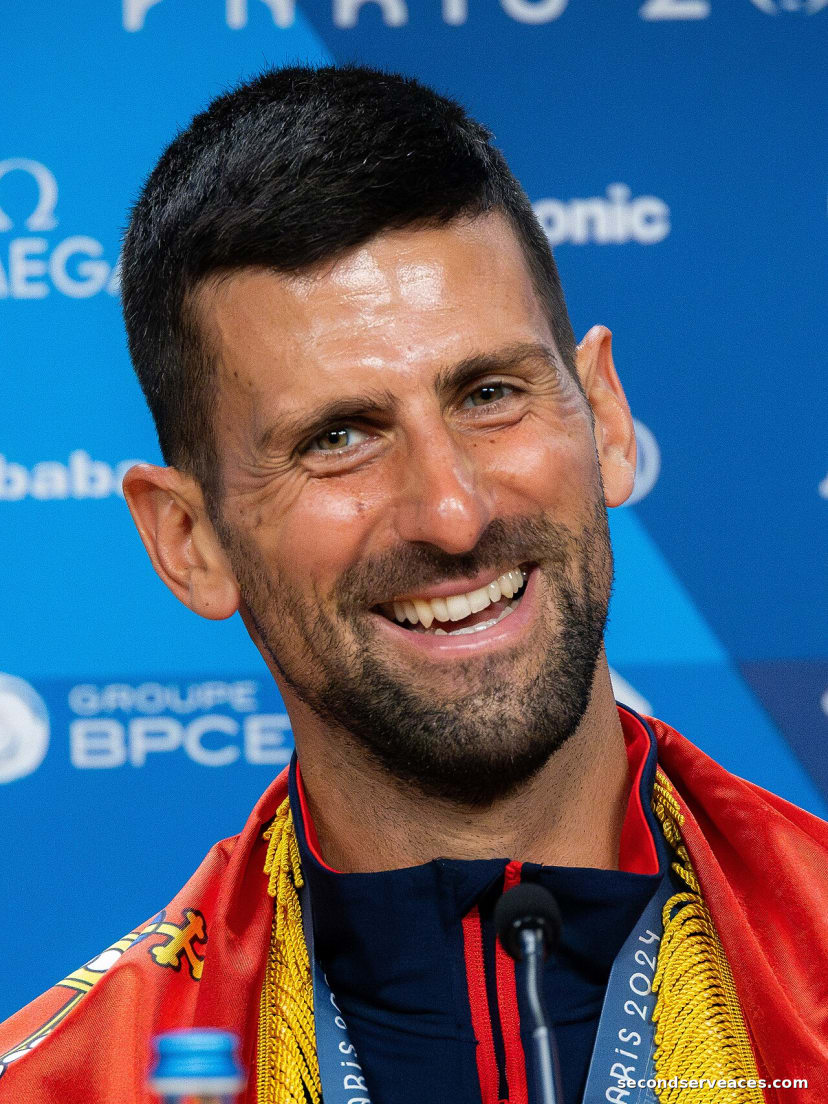
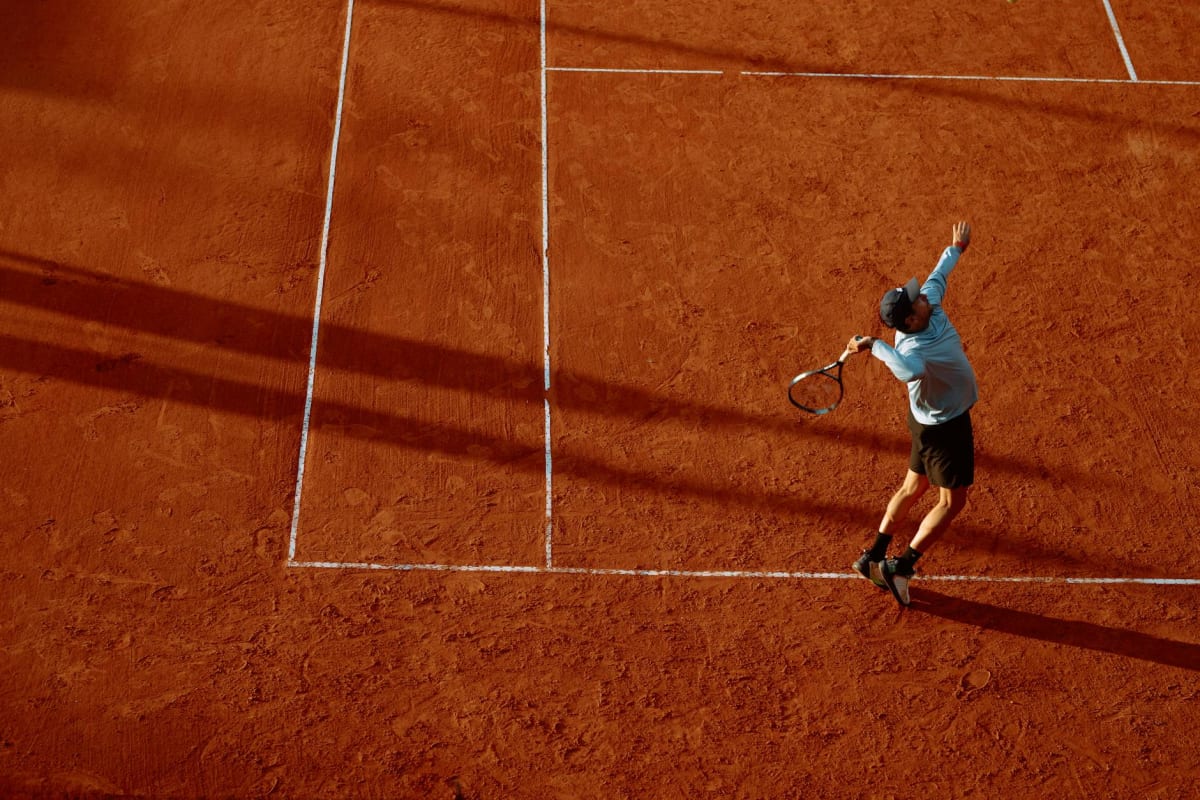
The red dirt of Paris has long been the ultimate theater for the titans of our sport, a place where legends are either forged or unspooled. As we turn our eyes toward the 2026 Roland-Garros gates, the narrative surrounding Novak Djokovic is one of profound uncertainty. The Serb, a man who has commanded the baseline for two decades, finds himself in a position as rare as a quiet afternoon on Court Philippe-Chatrier.
Listen to the Second Serve Podcast
Get our daily AI-synthesized audio briefings and match reviews on the go.
Heading into this year’s major, Djokovic carries a record that would rattle the nerves of a lesser mortal: zero clay-court victories throughout the entire spring season. The numbers reflect a cold, hard struggle, with early-round departures in Monte-Carlo, Madrid, and Rome. Most recently, the world witnessed a sobering defeat at the hands of young upstart Dino Prizmic at the Internazionali BNL d'Italia.
It is a stark contrast to the standard of excellence we have come to expect from a player who has defined the ATP Tour. With the confirmed news that he will bypass all remaining warm-up events, Djokovic is choosing to step directly into the crucible of the French capital with nothing but muscle memory and raw intuition to guide him.
The Roddick Perspective on a Singular Quest
Among those watching this unconventional preparation is none other than the firebrand Andy Roddick. Despite the lack of match practice and the winless stretch that has left fans scratching their heads, Roddick has firmly defended the Djokovic outlook. There is a distinct belief in his camp—and among those who have tracked his career—that one does not simply write off a titan because of a lackluster lead-in.
The history of tennis is littered with champions who eschewed the traditional rhythm of the tour. While many look at the current form and see a decline, Roddick’s support hints at the unspoken psychology of a competitor who thrives when the world decides the tank is empty. The question remains: can the most hardened mental fortress in the game dismantle his opponents without the rhythm provided by deep tournament runs?
Should the man from Belgrade pull off the unthinkable and raise the Coupe des Mousquetaires, he would cement his status as the oldest men's singles Grand Slam champion of the Open Era. It is a carrot that dangles in front of him, a historical milestone that might just provide the fuel for one more Parisian surge.
The Ghost of Substance Controversies Past
To analyze the modern game is to acknowledge the scrutiny that shadows it. While Djokovic’s struggles are purely competitive, the sport is constantly navigating the specter of performance-related concerns. Historically, the presence of substances like clostebol—a banned anabolic agent—has created tremors within the tennis ecosystem. While not tied to this specific narrative, it serves as a reminder of the hyper-vigilance required at this level.
The prevalence of such issues in historical ITF and ATP data points often complicates the public’s view of player trajectories. As we look at Djokovic’s unusual dip, observers often wonder about the delicate balance of age, physical demand, and the strict protocols governing professional play. The sport’s integrity is always at the forefront of the conversation whenever a champion takes a sudden, unexplained step back.
The Geometry of a Final Stand
Tactically, the transition from the Rome clay to the heat of the French Open is a physical tax. Djokovic’s recent matches suggest a vulnerability to players who dictate play through the center or who possess the patience to outlast his baseline defense. When he faced Dino Prizmic, the inability to find a rhythmic breakthrough highlighted how quickly the margins have narrowed at the top of the game.
If he is to survive the two-week gauntlet, he must rely on the legendary accuracy that once made him untouchable. The lack of match momentum is a heavy burden, but history has proven that underestimating the veteran is a folly of the highest order. The eyes of the world, including legends like Rafael Nadal and Ken Rosewall—who themselves knew the weight of longevity—will be fixed firmly on his first service toss.
What Novak Djokovic Plays With
Head Speed Pro
Luxilon ALU Power 125
Head Prime Tour (12-Pack)
Asics Court FF 3 Novak
Analyze Andy Roddick vs. Novak Djokovic
Predict tactical adjustments, momentum swings, and serve strategy options for this match-up using our AI simulator.
The Aces Tactical Panel
This report was curated and edited by Bhaskar Goel. Tactical analysis and technical insights were provided by our specialized panel of expert correspondents.
Julian Price
Senior Tactical Correspondent
Stuffy, pedantic British academic and historian specializing in match momentum and historical context.
Elena Cruz
Director of Analytical Research
Data scientist specializing in court surface physics and movement patterns.
Bhaskar
The Editor & Fan
Passionate tennis player and site editor bringing everyday amateur insights and relatable fan commentary.
Arthur Vance
Senior Existential Analyst
Deep, eccentric, and DFW-inspired. Models court metaphysics, kinetic beauty, and player psychology.
Leo Sterling
High-Performance Consultant
Hard-nosed ex-trainer from Melbourne with a no-nonsense view on tour fitness.