The Coaching Carousel Spins Again
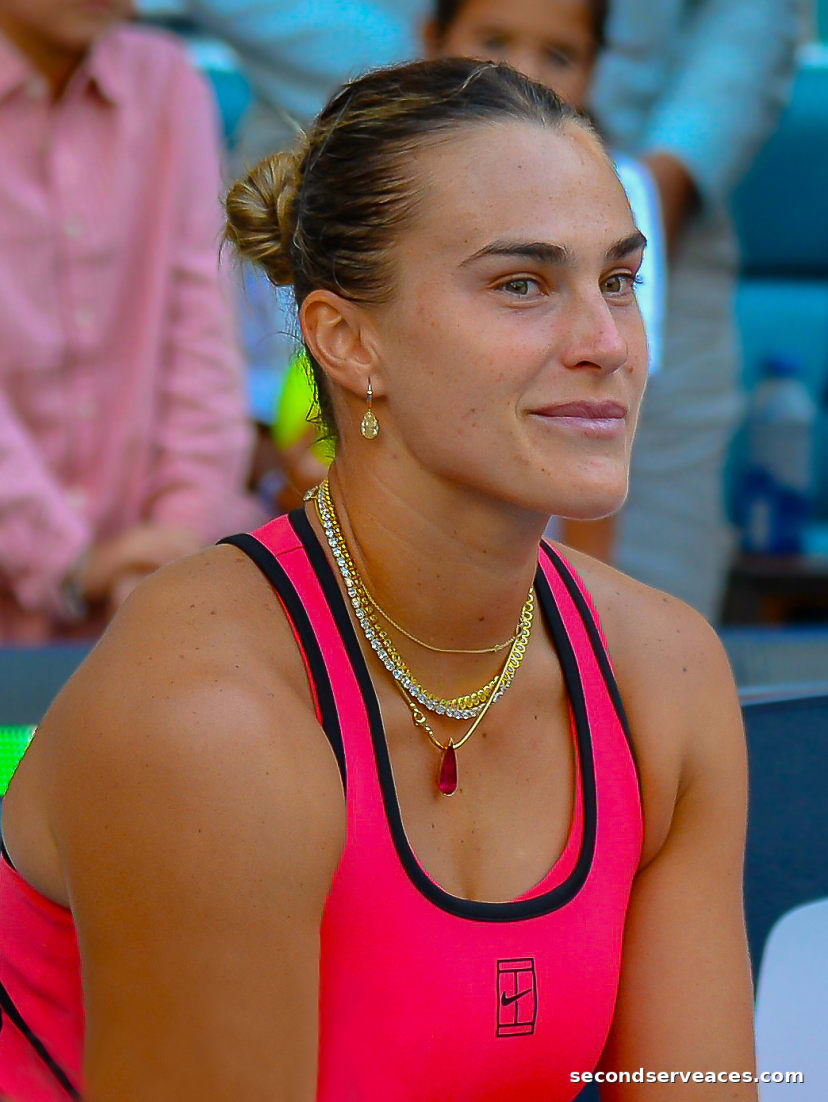
It’s the same old story in professional tennis—when the results stop clicking, the coaching relationship becomes the first casualty. Amanda Anisimova has officially ended her two-year partnership with Hendrik Vleeshouwers. Look, I’ve been around the tour long enough to know that a two-year stint is practically an eternity in today's game, but you can’t ignore the mounting pressure of a stalled trajectory.
Listen to the Second Serve Podcast
Get our daily AI-synthesized audio briefings and match reviews on the go.
The timing here is as messy as a double fault on break point. Anisimova, who clawed her way to the quarter-finals of the 2026 Australian Open before running into the brick wall that is Jessica Pegula, has been unable to maintain any semblance of rhythm since. We saw her retire in Qatar against Karolina Pliskova due to illness, and now, a hip injury sustained during the Miami Open has forced her to pull the plug on the Charleston Open.
The Tactical Breakdown
Anisimova’s game is built on blistering, first-strike tennis. She wants to take the ball on the rise and dictate from the baseline. When she’s healthy, she possesses the kind of raw power that limits an opponent's options. However, her reliance on flat, high-risk groundstrokes requires flawless footwork and impeccable movement.
- Movement Requirements: Without 100% confidence in her hip, she cannot load up on her backhand wing, which is the cornerstone of her offensive geometry.
- Rally Tolerance: Tactical maturity on tour demands a Plan B when the winners aren't landing. If she isn't dictating, her defense tends to crumble because she isn't comfortable grinding out points in the dirt.
- Serve Placement: With a physical limitation, the kinetic chain breaks. Her serve, which should be a weapon to set up short balls, likely loses the necessary kick and accuracy required to keep players like Iga Swiatek or Aryna Sabalenka guessing.
The Bigger Picture
Injuries are the great equalizer in tennis, and for someone like Anisimova, this disruption is a massive hurdle. The Charleston Open is a staple of the spring swing, and missing it—while the tournament marches toward its April 5th conclusion—robs her of precious clay-court matches. You look at the landscape of the WTA, where players like Iga Swiatek and Aryna Sabalenka are playing high-intensity, high-repetition tennis week in and week out, and you realize that missing tournaments is a death sentence for your ranking.
She needs a reset, plain and simple. Whether a new coach brings a different tactical philosophy or simply a fresh voice to motivate her through the rehab process, the priority has to be durability. You can have all the talent in the world, but if your body is betraying you, you're just another name on the withdrawal list.
What Aryna Sabalenka Plays With
Wilson Blade 98 v9 (16x19)
Luxilon ALU Power 125
Wilson Pro Overgrip (12-Pack)
Analyze Amanda Anisimova vs. Jessica Pegula
Predict tactical adjustments, momentum swings, and serve strategy options for this match-up using our AI simulator.
The Aces Tactical Panel
This report was curated and edited by Bhaskar Goel. Tactical analysis and technical insights were provided by our specialized panel of expert correspondents.
Julian Price
Senior Tactical Correspondent
Stuffy, pedantic British academic and historian specializing in match momentum and historical context.
Elena Cruz
Director of Analytical Research
Data scientist specializing in court surface physics and movement patterns.
Bhaskar
The Editor & Fan
Passionate tennis player and site editor bringing everyday amateur insights and relatable fan commentary.
Arthur Vance
Senior Existential Analyst
Deep, eccentric, and DFW-inspired. Models court metaphysics, kinetic beauty, and player psychology.
Leo Sterling
High-Performance Consultant
Hard-nosed ex-trainer from Melbourne with a no-nonsense view on tour fitness.