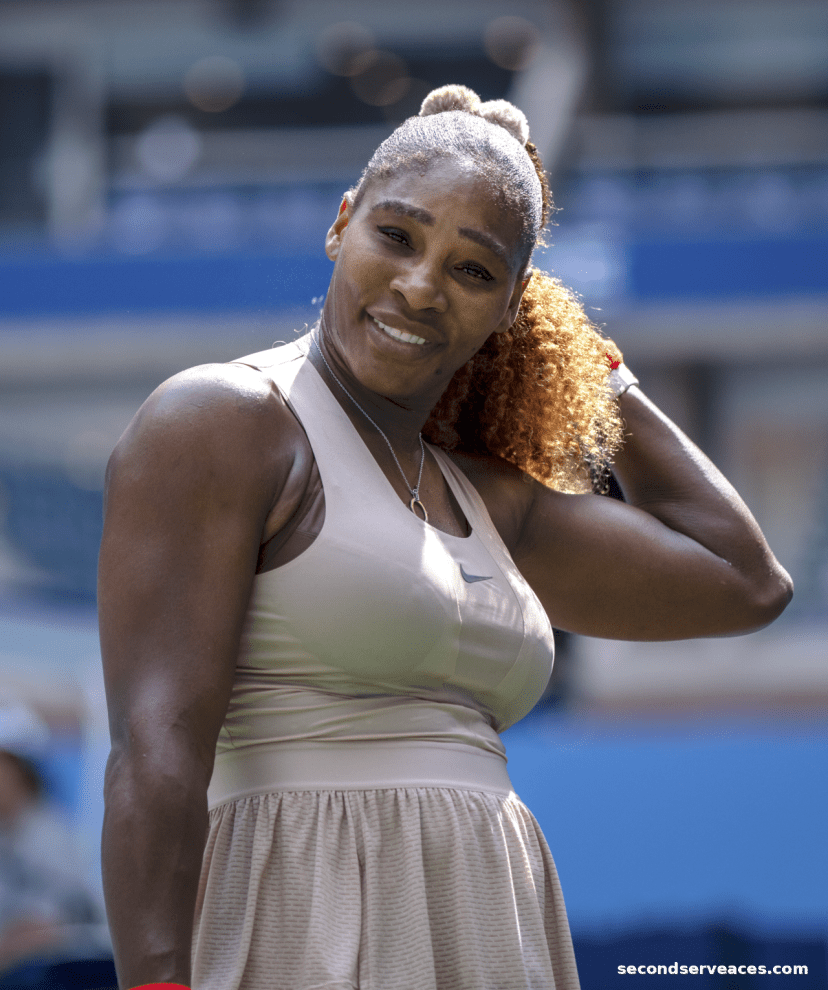
You cannot be serious if you think the 2024 season was already written in stone. Just when the tennis establishment thought the narrative was neatly organized around the current top three, a quiet administrative maneuver flipped the script entirely. Without a grand press conference or a glossy magazine cover, Serena Williams was officially reinstated to the WTA Tour as of February 22. Read that again. The 23-time major champion is now eligible to return to the professional circuit at any given moment.
Listen to the Second Serve Podcast
Get our daily AI-synthesized audio briefings and match reviews on the go.
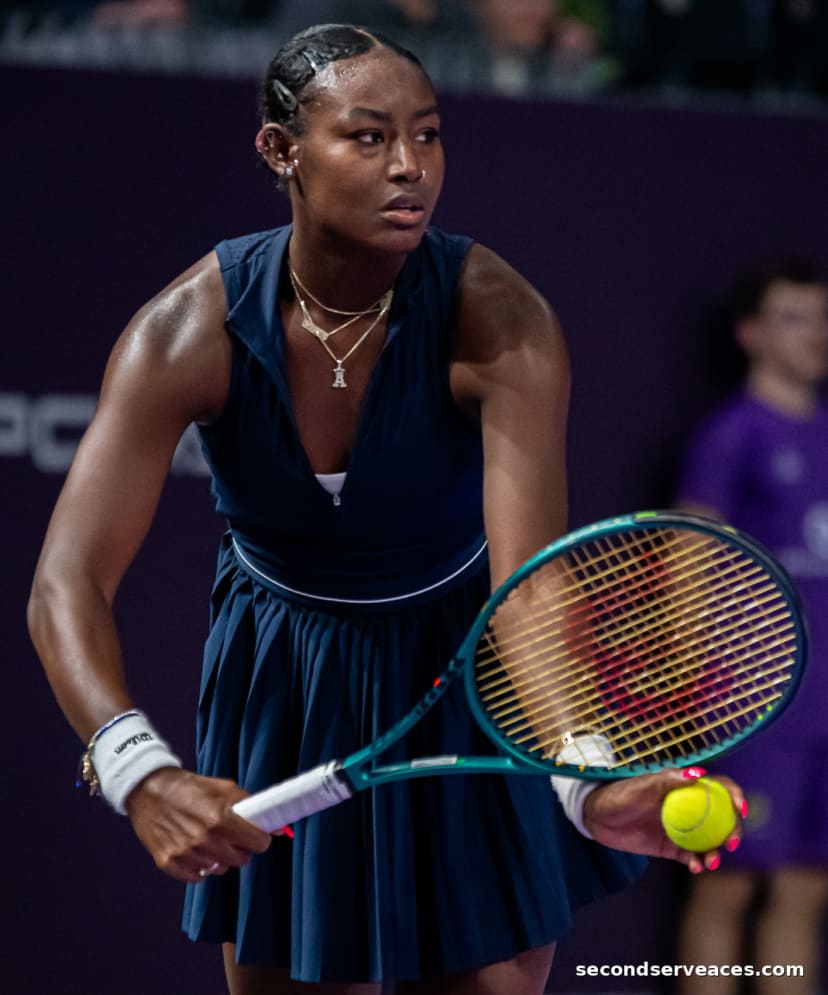
Bureaucracy in tennis is usually a mundane affair, buried in rulebooks and anti-doping protocol lists. However, when a name like Williams pops up on the active registry, the entire locker room takes notice. Is this merely a paperwork formality to keep her options open, or the precursor to the most anticipated comeback in modern sports history? Right now, the only person who actually knows what the American icon's ball striking looks like is rising star Alycia Parks. In a fascinating twist, Parks is the sole WTA player to have seen Williams hit live in recent months, sharing the court in exclusive, behind-closed-doors practice sessions.
Let’s cut through the rumor mill and look at the facts. Here is what we absolutely know about the current situation:
- The Date: Serena Williams was formally reinstated to the active WTA Tour roster on February 22.
- The Status: She has cleared the necessary hurdles and is now eligible to enter a WTA event whenever she chooses.
- The Inside Track: Alycia Parks remains the exclusive eyewitness to Serena's current form, having been her primary hitting partner over the last few months.
Are we looking at a Wimbledon wildcard application? A hard-court swing prep? The sheer ambiguity of her status is enough to give tournament directors sleepless nights as they scramble to hold main draw wildcards.
The Tactical Breakdown
If you want to decode a player’s intentions, do not look at their PR statements—look at their choice of practice partner. Selecting Alycia Parks for private hitting sessions is incredibly revealing from a strategic standpoint. You don't call up Parks if you just want a light, rhythmic hit to get the blood flowing. You call up Parks when you need to calibrate your reflexes against elite, top-tier pace.
Alycia Parks possesses one of the most lethal, unadulterated first serves in the women's game today. Her mechanics rely on explosive power, generating a flat, heavy ball that consistently breaches the highest velocity metrics on tour. For Williams, whose legendary career was built on aggressive first-strike tennis and arguably the greatest return of serve the sport has ever seen, standing across the net from Parks is a deliberate stress test.
Historically, the Williams game plan revolves around stepping inside the baseline and taking the ball exceptionally early on the return, suffocating the server's recovery time. If she is knocking the rust off that specific kinetic chain, she needs an opponent who brings the heat. Practicing with Parks forces Serena to sharpen her eye-hand coordination, react to extreme pace, and absorb heavy baseline artillery. Furthermore, Parks plays a highly volatile, high-risk game that mirrors the aggressive baseline bashing prevalent in today's top 10. By testing her defensive absorption and counter-punching against a heavy hitter like Parks, Williams is secretly measuring her own baseline tolerance against the modern tour's current standards.
The Bigger Picture
Eligibility does not guarantee entry, but it completely alters the psychological landscape of the tour. The current WTA hierarchy—headlined by the relentless consistency of Iga Swiatek and the raw power of Aryna Sabalenka—has established a new world order. Yet, the ghost of Serena Williams has always lingered. Her reinstatement immediately injects a massive dose of unpredictability into the ecosystem.
Looking at the historical precedent, Serena has never been one to return simply for a farewell parade. When she laces up, she expects to compete for hardware. If this reinstatement translates into actual tournament entries, the commercial and competitive implications are staggering. We are talking about prime-time scheduling adjustments, ticket sales skyrocketing in minutes, and an immediate shift in draw-sheet dynamics. Imagine being a seeded player navigating a first-round matchup, only to find the unranked, reinstated 23-time Grand Slam champion waiting on the other side of the net.
Even if she decides against a full-fledged return, her active status forces the tennis world to pay attention. The sport thrives on high-stakes drama and generational clashes. For now, the ball is entirely in her court. She has the eligibility, she has the elite practice repetitions with Parks, and she has the undivided attention of every official, player, and fan on the globe. The only question left is whether she decides to pull the trigger.
Essential Matchday Add-Ons
Tournament-tested accessories and high-frequency consumables every competitive player keeps in their bag.
Tourna Grip Original Dry Feel Overgrip (10-Pack)
4.8 ★ (12,000+ reviews)
The gold standard for sweaty hands. Proprietary dry feel absorbs moisture better as play intensifies.
Luxilon ALU Power 125 Silver String Set
4.9 ★ (3,500+ reviews)
Unrivaled control and spin potential used by over 50% of the ATP Top 100 players.
Babolat Custom Damp Vibration Dampener (2-Pack)
4.7 ★ (4,200+ reviews)
Customizable dampening with removable central O-ring for fine-tuning court feedback and sound.
Penn Championship Extra Duty Tennis Balls (4-Can Pack)
4.7 ★ (8,900+ reviews)
Official ball of USTA League Tennis with extra-duty felt designed for abrasive hard courts.
Analyze Alycia Parks vs. Serena Williams
Predict tactical adjustments, momentum swings, and serve strategy options for this match-up using our AI simulator.
The Aces Tactical Panel
This report was curated and edited by Bhaskar Goel. Tactical analysis and technical insights were provided by our specialized panel of expert correspondents.
Julian Price
Senior Tactical Correspondent
Stuffy, pedantic British academic and historian specializing in match momentum and historical context.
Elena Cruz
Director of Analytical Research
Data scientist specializing in court surface physics and movement patterns.
Bhaskar
The Editor & Fan
Passionate tennis player and site editor bringing everyday amateur insights and relatable fan commentary.
Arthur Vance
Senior Existential Analyst
Deep, eccentric, and DFW-inspired. Models court metaphysics, kinetic beauty, and player psychology.
Leo Sterling
High-Performance Consultant
Hard-nosed ex-trainer from Melbourne with a no-nonsense view on tour fitness.