A Rising Sophomore in Honolulu
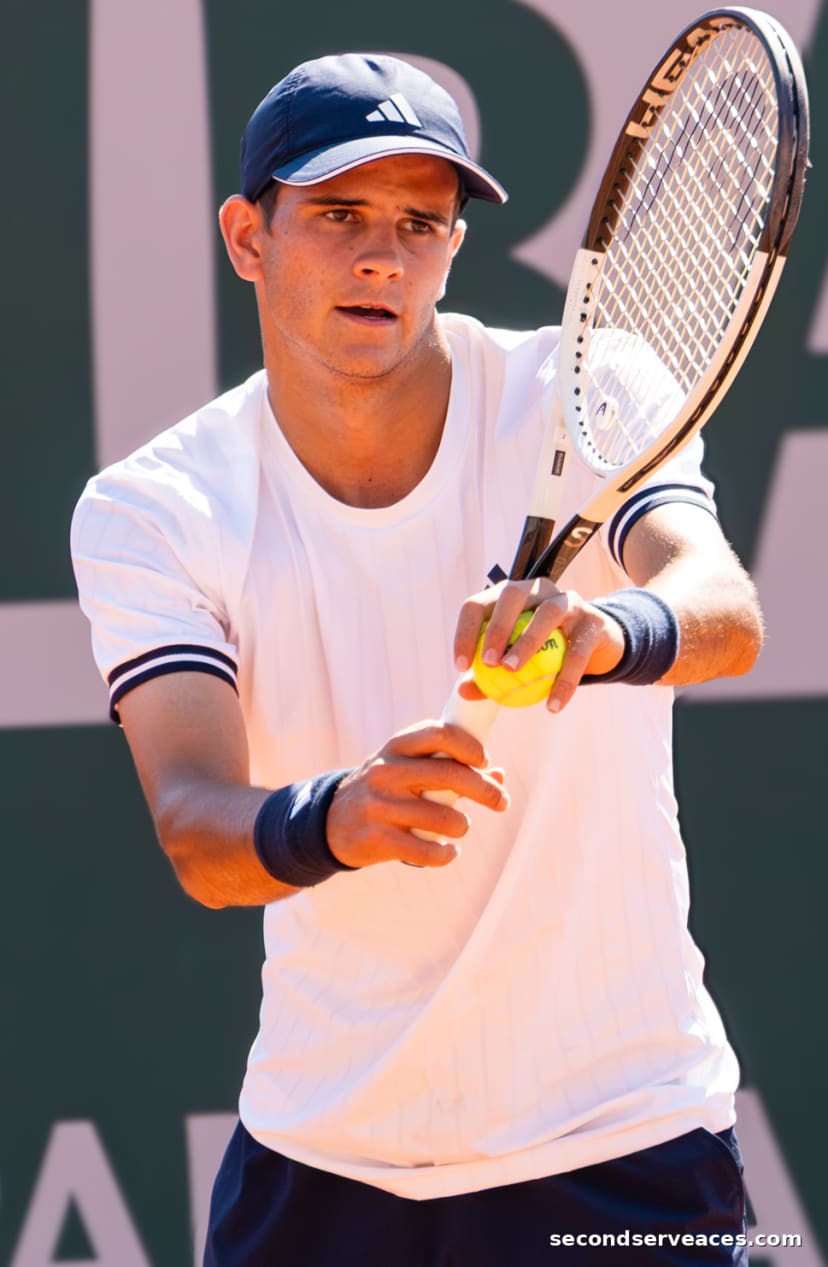
University of Hawaii sophomore Adriano Dzhenev has been named the Big West Men’s Tennis Player of the Week, a recognition earned through sustained composure during the recent conference stretch. The Haskovo, Bulgaria native has been at the center of the Rainbow Warriors' rotation, navigating rigorous matchups against UC Santa Barbara and Cal Poly.
Listen to the Second Serve Podcast
Get our daily AI-synthesized audio briefings and match reviews on the go.
While his recent singles contests against both opponents remained unfinished, the narrative of his week was written in his doubles execution. Alongside partner Kent Mueller, Dzhenev delivered a clean 6-4 result against the UC Santa Barbara pairing, a match defined by high-percentage tennis and disciplined court coverage.
The Tactical Breakdown
In the collegiate game, success in doubles is rarely about pure power; it is an exercise in geometry and rally tolerance. When observing the Dzhenev-Mueller tandem, the 6-4 scoreline points to efficient net-approach frequency and high first-serve placement patterns.
- Court Geometry: By maintaining a tight formation at the net, Dzhenev forces opponents to find lower-percentage passing lanes. This forces the returner to aim for smaller windows, increasing the likelihood of an unforced error.
- Serve Placement: At the collegiate level, the serve is a setup shot. Dzhenev’s ability to hit his spots allows Mueller to cross or hold, dictating the tempo from the second ball.
- Rally Tolerance: In the modern ATP-style transition, the difference between winning a game and getting broken often comes down to the third and fourth shots of the rally. Keeping the ball cross-court rather than over-hitting into the alleys is exactly how you secure a 6-4 set against a disciplined UC Santa Barbara squad.
The Bigger Picture
For a sophomore, the transition from regional play to the intensity of Big West conference competition is a vital developmental hurdle. Dzhenev’s recognition reflects his growth in match maturity. In a landscape where the margins between a break point and a hold are razor-thin, the ability to lock in during a doubles set provides a crucial mental edge that carries over into singles play.
As the season progresses, the focus for Dzhenev will be translating this rhythm into full singles matches. With his foundation in Bulgarian training systems often emphasizing lateral movement and heavy topspin, he has the baseline tools to compete deep into these conference brackets. His next challenge is maintaining this consistency as the intensity of the Big West season reaches its zenith.
Essential Matchday Add-Ons
Tournament-tested accessories and high-frequency consumables every competitive player keeps in their bag.
Tourna Grip Original Dry Feel Overgrip (10-Pack)
4.8 ★ (12,000+ reviews)
The gold standard for sweaty hands. Proprietary dry feel absorbs moisture better as play intensifies.
Luxilon ALU Power 125 Silver String Set
4.9 ★ (3,500+ reviews)
Unrivaled control and spin potential used by over 50% of the ATP Top 100 players.
Babolat Custom Damp Vibration Dampener (2-Pack)
4.7 ★ (4,200+ reviews)
Customizable dampening with removable central O-ring for fine-tuning court feedback and sound.
Penn Championship Extra Duty Tennis Balls (4-Can Pack)
4.7 ★ (8,900+ reviews)
Official ball of USTA League Tennis with extra-duty felt designed for abrasive hard courts.
Analyze Adriano Dzhenev vs. Kent Mueller
Predict tactical adjustments, momentum swings, and serve strategy options for this match-up using our AI simulator.
The Aces Tactical Panel
This report was curated and edited by Bhaskar Goel. Tactical analysis and technical insights were provided by our specialized panel of expert correspondents.
Julian Price
Senior Tactical Correspondent
Stuffy, pedantic British academic and historian specializing in match momentum and historical context.
Elena Cruz
Director of Analytical Research
Data scientist specializing in court surface physics and movement patterns.
Bhaskar
The Editor & Fan
Passionate tennis player and site editor bringing everyday amateur insights and relatable fan commentary.
Arthur Vance
Senior Existential Analyst
Deep, eccentric, and DFW-inspired. Models court metaphysics, kinetic beauty, and player psychology.
Leo Sterling
High-Performance Consultant
Hard-nosed ex-trainer from Melbourne with a no-nonsense view on tour fitness.