The Autumn Fatigue Epidemic at Optics Valley
The Optics Valley International Tennis Center is prepared to host the prestigious Wuhan Open between October 12-18, yet the narrative surrounding this hard-court gathering has shifted dramatically before a single ball has been struck. In what can only be described as a staggering development for the tournament organizers, a total of eleven players have officially withdrawn from the main draw prior to the commencement of play. This mass exodus has cast a somber shadow over the event, raising serious questions about the demands of the modern calendar.
Listen to the Second Serve Podcast
Get our daily AI-synthesized audio briefings and match reviews on the go.
To those of us who fondly recall the more leisurely paced autumn circuits of the 1970s, where players managed their physical resources with a certain aristocratic prudence, this sudden wave of departures feels like an inevitable consequence of contemporary scheduling. The sheer density of mandatory events leaves very little room for recuperation, forcing elite athletes to make difficult decisions as they look toward the season's conclusion. The absence of so many marquee names undoubtedly dilutes the competitive field, leaving fans and pundits alike to ponder the structural integrity of the autumn swing.
For tournament organizers, the challenge of reshuffling the draw is immense, as they must now elevate alternates and lucky losers to fill the gaping voids left by the departures. As detailed on the official WTA Tour Home, the late-season swing through Asia is always a test of endurance, but this year's casualty list is particularly severe. The Optics Valley courts, designed to showcase the pinnacle of women's tennis, will instead serve as a stark reminder of the physical limits of the modern professional athlete.
Rybakina's Lower Leg Malady and the Entry of Samsonova
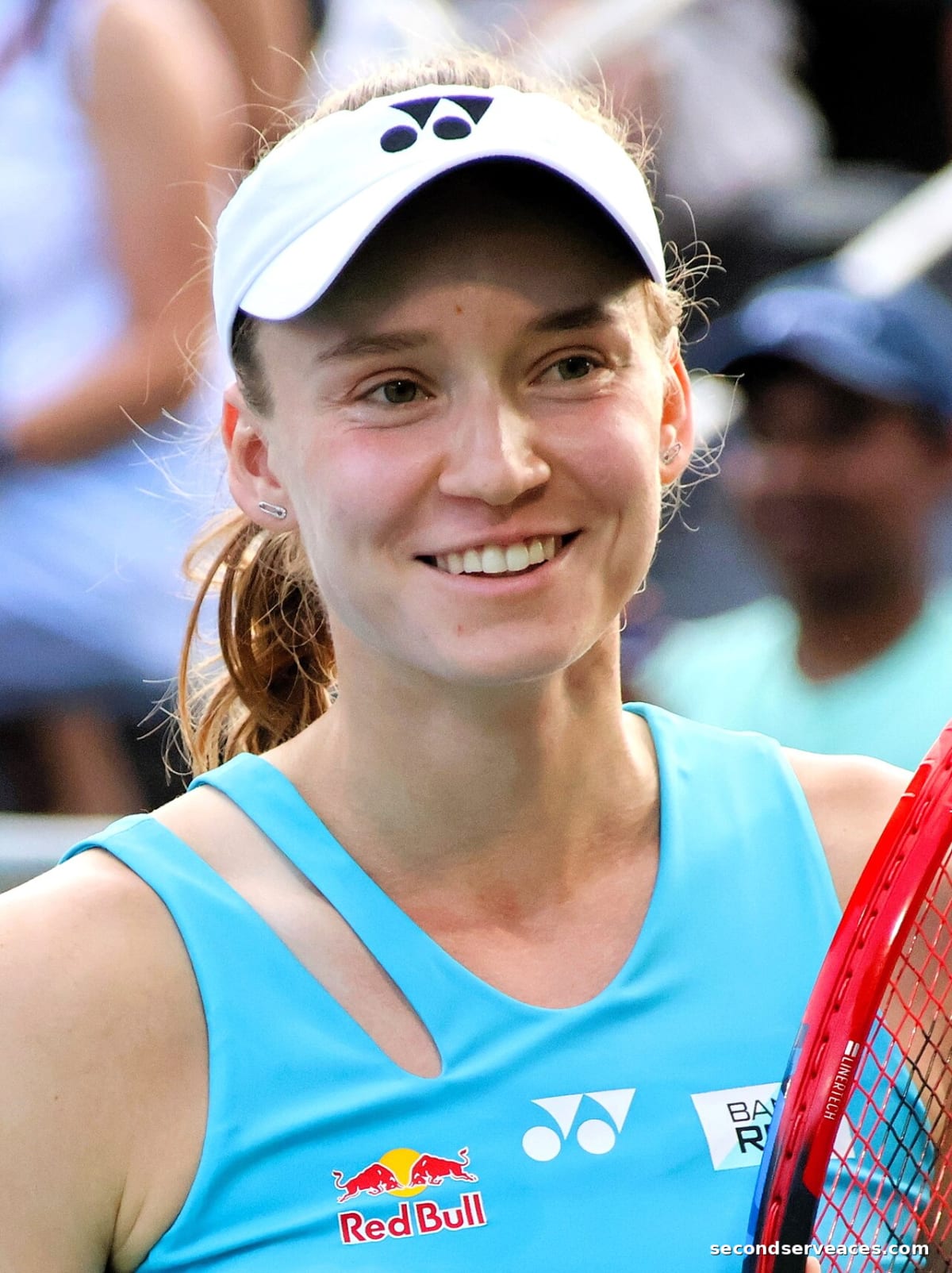
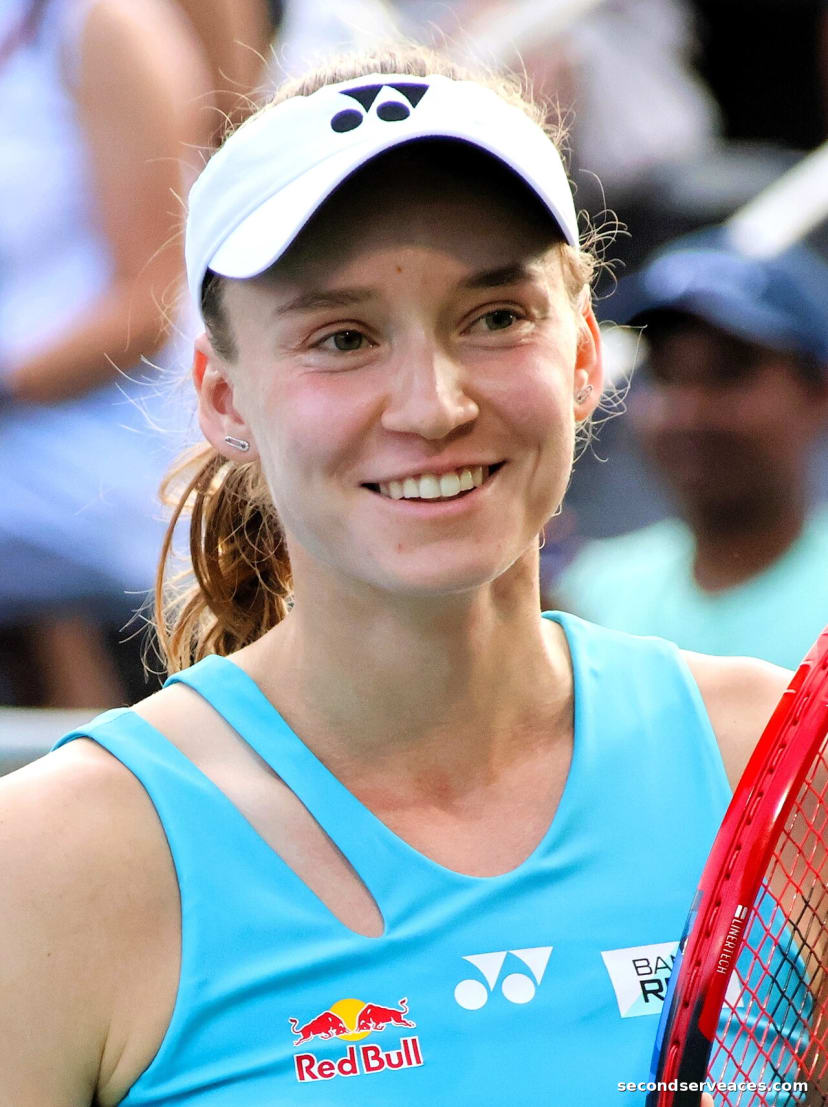
Foremost among the high-profile casualties is Elena Rybakina, the world's top-ranked competitor according to the latest WTA rankings. The Kazakh star has been forced to decline her invitation to Wuhan due to a persistent and lingering lower leg and foot injury. This ailment has evidently refused to yield to treatment, forcing her to prioritize long-term rehabilitation over immediate competitive pursuits.
Rybakina, whom some observers affectionately refer to as "The Kazakh Tower" owing to her commanding 1.84-meter stature, relies heavily on her explosive movement and lethal serve to dominate her opponents. A lower leg injury severely compromises this foundation, making competitive play not only inadvisable but potentially detrimental to her future campaigns. Her absence is a significant blow to the tournament's star power, as her aggressive baseline play is always a major drawcard for the local spectators.
In her stead, the capable Liudmila Samsonova will enter the tournament draw to replace Rybakina. While Samsonova possesses a formidable game of her own, the sudden alteration of the seeding structure forces coaches to hastily rewrite their tactical plans. This sudden shift in the competitive landscape mirrors the unpredictable nature of late-season tournaments, a phenomenon we previously observed in our Alex Eala vs. Shi Han: Wuhan Open First-Round Preview.
Gauff's Late-Season Exhaustion and the Toll of the Tour
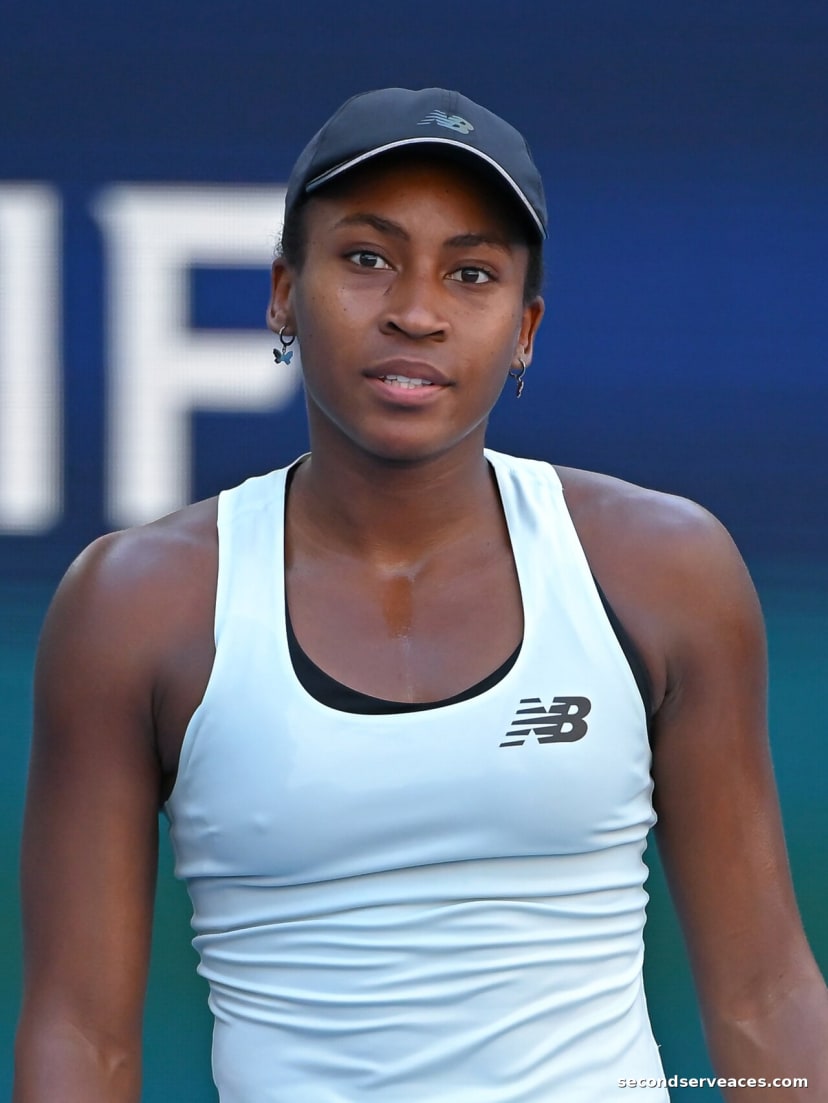
Joining Rybakina on the sidelines is the formidable American Coco Gauff, the current world No. 4. Gauff has cited severe late-season fatigue as the primary catalyst for her withdrawal from the Wuhan festivities. At just 22 years of age, Gauff has already endured several grueling seasons at the sport's highest echelon, and the cumulative strain of her defensive, court-covering style has clearly caught up with her in these autumn months.
Gauff's decision to bypass Wuhan, while disappointing to her legions of fans, represents a mature approach to career longevity. The modern game demands an extraordinary level of physical output, and young players must learn to listen to their bodies rather than succumbing to the relentless pressure of the ranking system. By stepping away from the court at this juncture, Gauff is clearly aiming to preserve her reserves for future Grand Slam campaigns.
This period of rest comes after a demanding stretch of tournaments that have tested her both on and off the court. Her off-court challenges and the intense scrutiny she faces were recently highlighted in our coverage of how the UN condemned racist abuse targeting Coco Gauff. A temporary retreat from the competitive arena may well provide the mental and physical sanctuary required for her to return at her devastating best next season.
The Domino Effect of Eleven Pre-Tournament Departures
The list of absentees extends far beyond the top five, reading like a directory of the tour's most accomplished practitioners. Former world No. 1 Naomi Osaka has also withdrawn, alongside Emma Navarro, Madison Keys, Barbora Krejcikova, and Karolina Pliskova. The exodus is completed by Hailey Baptiste, Victoria Mboko, Amanda Anisimova, Anastasia Potapova, and several other highly ranked competitors, leaving the draw significantly altered.
This collective withdrawal of eleven athletes before a single main-draw match has commenced is reminiscent of the chaotic autumn circuits of 1974, when players frequently revolted against the exhausting demands of a fragmented tour. It underscores the urgent need for a more balanced approach to the competitive calendar, one that prioritizes player health over commercial expansion. When nearly a dozen elite players are unable to take the court, the sport itself suffers a loss of prestige.
With so many marquee names absent, the spotlight now shifts to those remaining in the draw, including Qinwen Zheng and Shuai Zhang. These players now have a unique opportunity to navigate a depleted field and secure valuable ranking points. While the tournament may lack some of its initial luster, it nonetheless promises to be an intriguing test of depth and resilience for those who remain standing in Wuhan.
Rivalry Matchup & Player Profiles
The following profile table highlights the key metrics of the two highest-ranked players to withdraw from the tournament, illustrating the caliber of talent missing from this year's edition of the Wuhan Open.
| Metric | Elena Rybakina | Coco Gauff |
|---|---|---|
| Rank | No. 1 | No. 4 |
| Country | Kazakhstan | United States |
| Age | 27 | 22 |
| Height | 1.84 m (6'0") | 1.75 m (5'9") |
| Handedness | Right-handed | Right-handed |
| Play Style | Aggressive baseliner | Aggressive baseliner / Counterpuncher |
| Career Titles | 14 | 12 |
In their head-to-head history, Elena Rybakina holds a narrow 2-1 advantage over Coco Gauff. Their most recent encounter was a highly competitive affair in the semifinals of the 2026 US Open, where Rybakina emerged victorious with a hard-fought 3-6, 6-4, 6-4 scoreline. This matchup has quickly developed into one of the tour's premier rivalries, characterized by Rybakina's flat, powerful groundstrokes clashing against Gauff's extraordinary athletic coverage and defensive capabilities.
The absence of both competitors in Wuhan deprives tennis enthusiasts of a potential semifinal rematch. As the tour progresses toward the season-ending championships, the health and recovery of these two superstars will remain a central talking point for fans and analysts alike, with both players eager to resume their rivalry on the grandest stages next season.
What Coco Gauff Plays With
Head Boom MP 2024
Head Lynx Tour 1.25
Head Prime Tour (12-Pack)
Analyze Elena Rybakina vs. Coco Gauff
Predict tactical adjustments, momentum swings, and serve strategy options for this match-up using our AI simulator.
The Aces Tactical Panel
This report was curated and edited by Bhaskar Goel. Tactical analysis and technical insights were provided by our specialized panel of expert correspondents.
Julian Price
Senior Tactical Correspondent
Stuffy, pedantic British academic and historian specializing in match momentum and historical context.
Elena Cruz
Director of Analytical Research
Data scientist specializing in court surface physics and movement patterns.
Bhaskar
The Editor & Fan
Passionate tennis player and site editor bringing everyday amateur insights and relatable fan commentary.
Arthur Vance
Senior Existential Analyst
Deep, eccentric, and DFW-inspired. Models court metaphysics, kinetic beauty, and player psychology.
Leo Sterling
High-Performance Consultant
Hard-nosed ex-trainer from Melbourne with a no-nonsense view on tour fitness.
Related Reports

Quick Answers
Why did Elena Rybakina withdraw from the WTA Wuhan Open?+
Elena Rybakina withdrew from the tournament due to a lingering lower leg and foot injury that has hindered her movement.
Who will replace Elena Rybakina in the Wuhan Open tournament draw?+
Liudmila Samsonova will enter the main draw as the replacement for the injured Elena Rybakina.
How many players withdrew from the Wuhan Open prior to the start of play?+
A total of eleven players withdrew from the tournament before the main draw matches commenced, including Coco Gauff and Naomi Osaka.