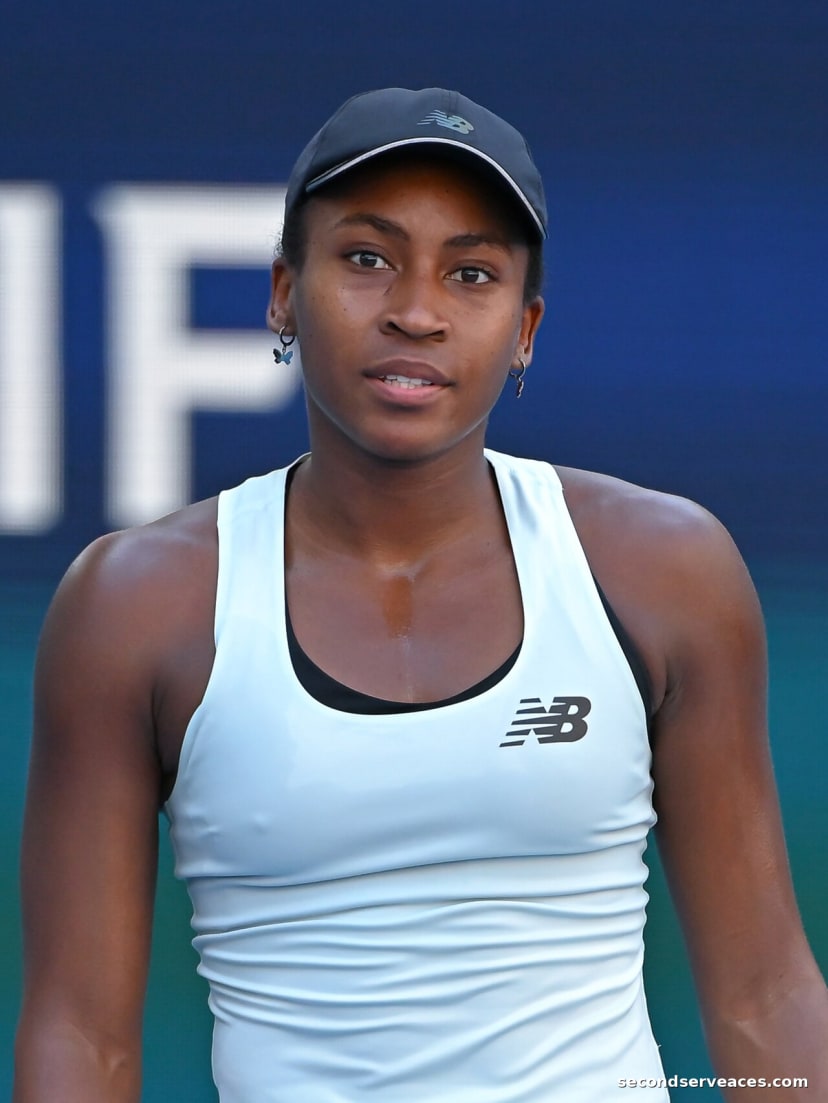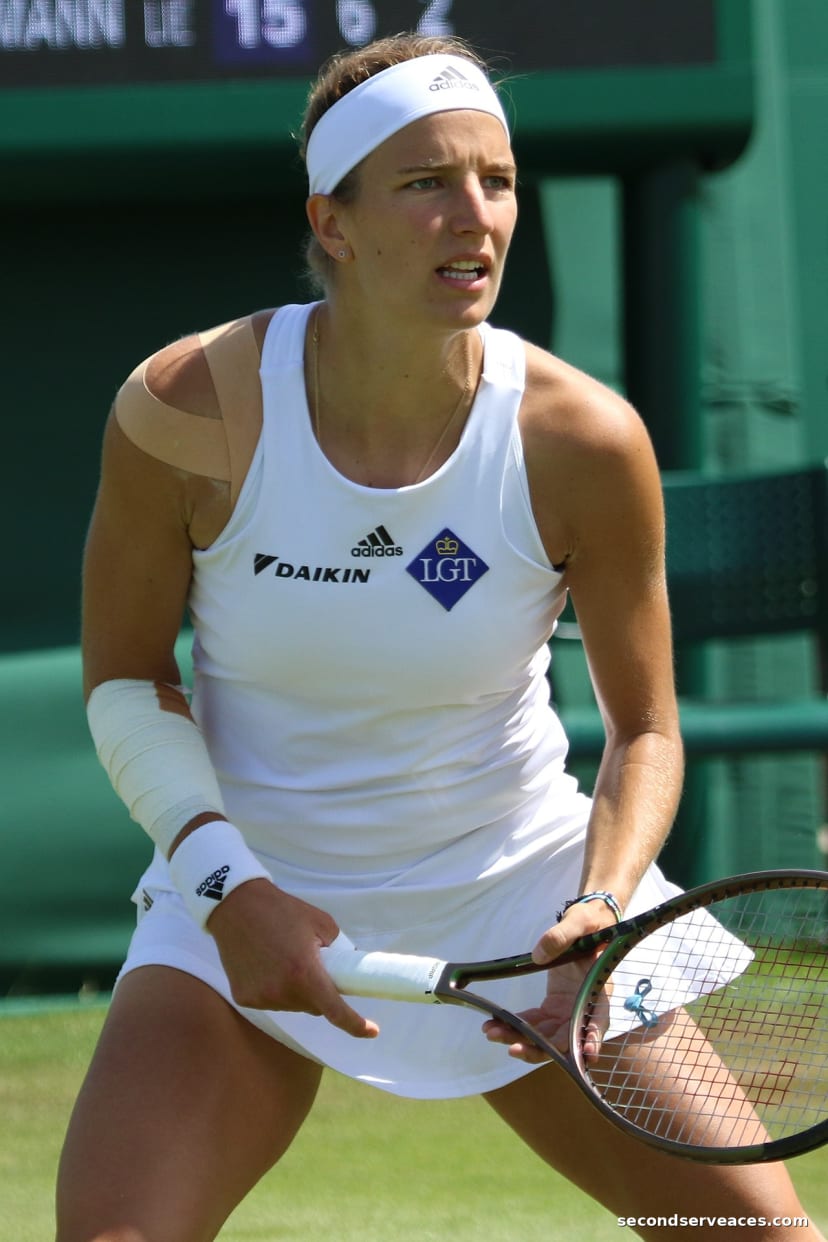
There is a specific, melancholy geometry to the end of a professional tennis career. It is not merely the closing of a ledger or the cessation of the kinetic, rhythmic thrum of polyester strings against a fuzzy yellow sphere; it is the quiet, final collapse of a personal timeline built around the demands of the WTA Tour. Zarina Diyas, at age 32, has announced her immediate retirement, punctuating a career that once saw her ascend to a peak singles ranking of world No. 31 in 2015.
Listen to the Second Serve Podcast
Get our daily AI-synthesized audio briefings and match reviews on the go.
The Trajectory of a Career
Diyas, whose game was often characterized by a measured, disciplined baseline aggression, leaves behind a legacy defined by consistency and a singular high-water mark: the 2017 Japan Women’s Open title. To reach world No. 31 is to occupy the rarefied air of the tour’s engine room, where every point is a contest of attrition against the top seeds. Her career head-to-head record against Venus Williams stood at a balanced 1-1, a testament to her ability to stand toe-to-toe with the legends of the game during her prime years.
The Return to the Red Dirt
While Diyas exits the stage, the Madrid Open prepares to welcome back one of the sport's most enduring figures. Venus Williams, having accepted a wildcard entry, is set to test her resolve once more on the notoriously slick, shifting surface of European clay. The physics of clay—the way it forces the ball to sit up, waiting to be attacked, or dive into the dust—presents a unique tactical challenge that Williams has navigated for decades. It is a surface that rewards patience, a commodity that seems increasingly valuable as the tour shifts its focus toward the summer months.
Reflecting on the Transition
The duality of this moment—the departure of an established talent and the persistence of an icon—serves as a reminder of the sport's cyclical nature. As peers express their tributes, one is reminded that behind the serve speed metrics and the WTA rankings, there exists a profound human narrative of transition. Diyas moves into a life beyond the white lines, while Williams continues her pursuit of movement and momentum, demonstrating that the hunger for competition often exists entirely independent of age or expectation.
What Jannik Sinner Plays With
Head Speed MP 2024
Head Hawk Touch 1.25
Head Prime Tour (12-Pack)
Nike GP Challenge 1
Analyze Venus Williams vs. Zarina Diyas
Predict tactical adjustments, momentum swings, and serve strategy options for this match-up using our AI simulator.
The Aces Tactical Panel
This report was curated and edited by Bhaskar Goel. Tactical analysis and technical insights were provided by our specialized panel of expert correspondents.
Julian Price
Senior Tactical Correspondent
Stuffy, pedantic British academic and historian specializing in match momentum and historical context.
Elena Cruz
Director of Analytical Research
Data scientist specializing in court surface physics and movement patterns.
Bhaskar
The Editor & Fan
Passionate tennis player and site editor bringing everyday amateur insights and relatable fan commentary.
Arthur Vance
Senior Existential Analyst
Deep, eccentric, and DFW-inspired. Models court metaphysics, kinetic beauty, and player psychology.
Leo Sterling
High-Performance Consultant
Hard-nosed ex-trainer from Melbourne with a no-nonsense view on tour fitness.