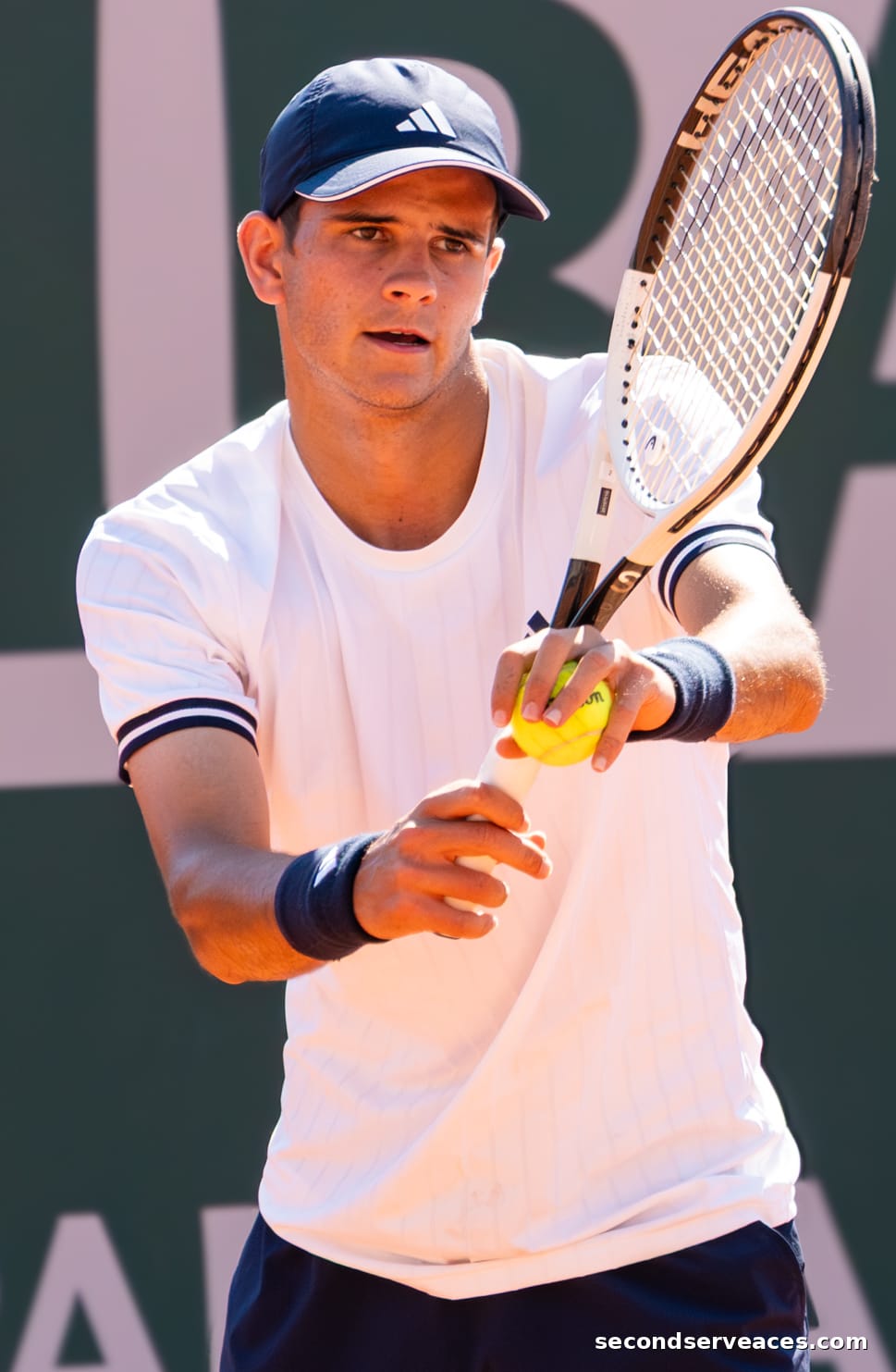
For the first time since 2014, the ATP Tour top 100 features zero teenagers. This statistical milestone points to a structural shift in player development, driven by a highly competitive Challenger ecosystem and the rising physical demands of the professional game. Rafael Jodar celebrated his 20th birthday on September 17, while his peer Joao Fonseca crossed that threshold in August, leaving a vacuum of teenage representation in the upper echelon of the ATP rankings.
Listen to the Second Serve Podcast
Get our daily AI-synthesized audio briefings and match reviews on the go.
How Record ATP Challenger Funding Reshaped the Top 100 Age Curve
This demographic anomaly is directly linked to the financial expansion of the ATP Challenger Tour. Total Challenger prize money rose to a record $32.4 million in 2026, marking an astronomical 167% increase since 2022. This massive influx of capital allows lower-ranked pros to sustain longer careers, creating a physical bottleneck at the entry gate of the top 100. Young players can no longer rely on raw kinetic energy to blast through draws; they must possess mature court positioning and tactical discipline to break seasoned veterans.
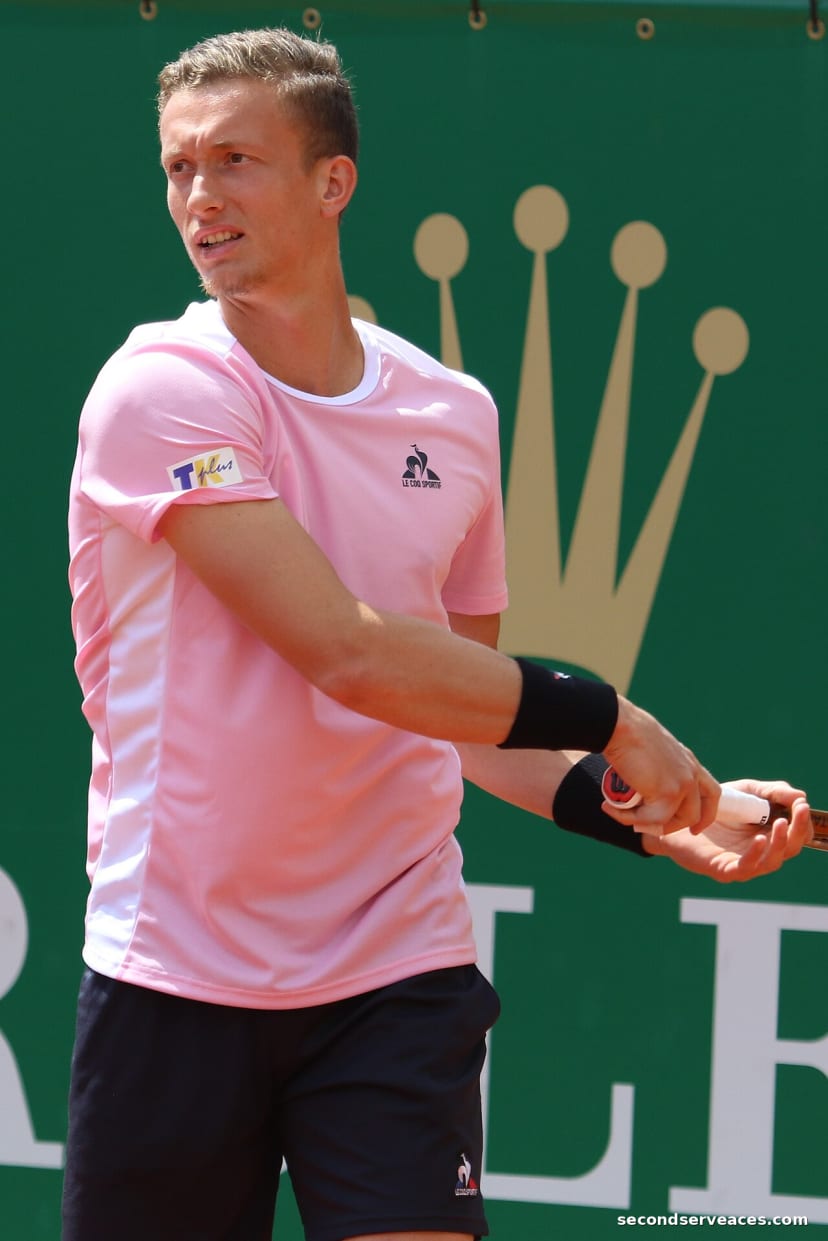
The tactical reality is that the transition from junior to professional tennis now requires a more robust physical foundation. Veteran competitors are defending deep in the court and utilizing heavy topspin to neutralize aggressive baseline play. To bypass this barrier, emerging talents must show exceptional adaptability. Jan Kumstat became only the third teenager in Challenger history to win three consecutive titles after triumphs in Liberec, Hamburg, and Prague, demonstrating how crucial serving efficiency and court positioning are in navigating these dense draws.
Tactical Demands of the Modern Transition Game
Unlike the explosive, immediate breakthroughs of previous eras, today's young prospects face a steep learning curve in court geometry and shot selection. In our previous look at how John McEnroe Picks Carlos Alcaraz Over Jannik Sinner, we highlighted how Alcaraz's elite transition game and forward court positioning make him the tactical benchmark. For teenagers today, mastering the transition from deep baseline defense to mid-court volleying is the ultimate differentiator.
Without that tactical versatility, young players find themselves pinned behind the baseline, unable to break down opponents. We saw glimpses of this tactical struggle when Rafael Jodar battled in the Laver Cup, where minor physical lapses and court positioning errors were immediately punished. The margin for error is razor-thin, and the path to the top 100 now demands a complete tactical package rather than just a massive forehand.
Rivalry Matchup & Player Profiles
| Metric | Rafael Jódar | João Fonseca |
|---|---|---|
| Rank | 14 | 28 |
| Age | 20 | 20 |
| Country | Spain | Brazil |
| Height | 1.91 m (6'3") | 1.85 m (6'1") |
| Handedness | Right-handed | Right-handed |
| Play Style | Aggressive baseliner (heavy groundstrokes) | Aggressive baseliner (explosive forehand) |
| Career Titles | 1 ATP Title (Marrakech 2026) | 2 ATP Titles (Buenos Aires 2025, Basel 2025) |
These two newly minted 20-year-olds represent the vanguard of the post-teenage cohort. Rafael Jódar holds a 1-0 edge in their professional matchup history, having defeated João Fonseca in a grueling three-set encounter at the 2026 Madrid Open third round, 7-6(4), 4-6, 6-1. In that match, Jódar's superior height and heavy groundstrokes allowed him to control the baseline and exploit Fonseca's flatter forehand on the high-bouncing clay.
Fonseca's two ATP titles in Buenos Aires and Basel showcase a highly explosive offensive ceiling, but Jódar's Marrakech title and superior ranking at No. 14 reflect a more consistent defensive structure. Their tactical rivalry will likely define the mid-court transition battles on the ATP Tour for years to come, as both players look to consolidate their positions within the top 30.
What Ben Shelton Plays With
Yonex Ezone 98 (7th Gen)
Yonex Poly Tour Pro 125
Yonex Super Grap (12-Pack)
Analyze Rafael Jodar vs. Joao Fonseca
Predict tactical adjustments, momentum swings, and serve strategy options for this match-up using our AI simulator.
The Aces Tactical Panel
This report was curated and edited by Bhaskar Goel. Tactical analysis and technical insights were provided by our specialized panel of expert correspondents.
Julian Price
Senior Tactical Correspondent
Stuffy, pedantic British academic and historian specializing in match momentum and historical context.
Elena Cruz
Director of Analytical Research
Data scientist specializing in court surface physics and movement patterns.
Bhaskar
The Editor & Fan
Passionate tennis player and site editor bringing everyday amateur insights and relatable fan commentary.
Arthur Vance
Senior Existential Analyst
Deep, eccentric, and DFW-inspired. Models court metaphysics, kinetic beauty, and player psychology.
Leo Sterling
High-Performance Consultant
Hard-nosed ex-trainer from Melbourne with a no-nonsense view on tour fitness.
Related Reports
Quick Answers
Why are there no teenagers in the ATP top 100?+
A highly competitive Challenger Tour, backed by a record $32.4 million in prize money, has allowed experienced veterans to sustain their rankings and block younger players.
Who was the last teenager to win three consecutive Challenger titles?+
Jan Kumstat became only the third teenager in Challenger history to achieve this feat, winning titles in Liberec, Hamburg, and Prague.
What is the head-to-head record between Rafael Jódar and João Fonseca?+
Rafael Jódar leads their matchup history 1-0 after defeating João Fonseca 7-6(4), 4-6, 6-1 at the 2026 Madrid Open.