The Fifteen-Minute Gag Order and the Fight for Eighteen Percent
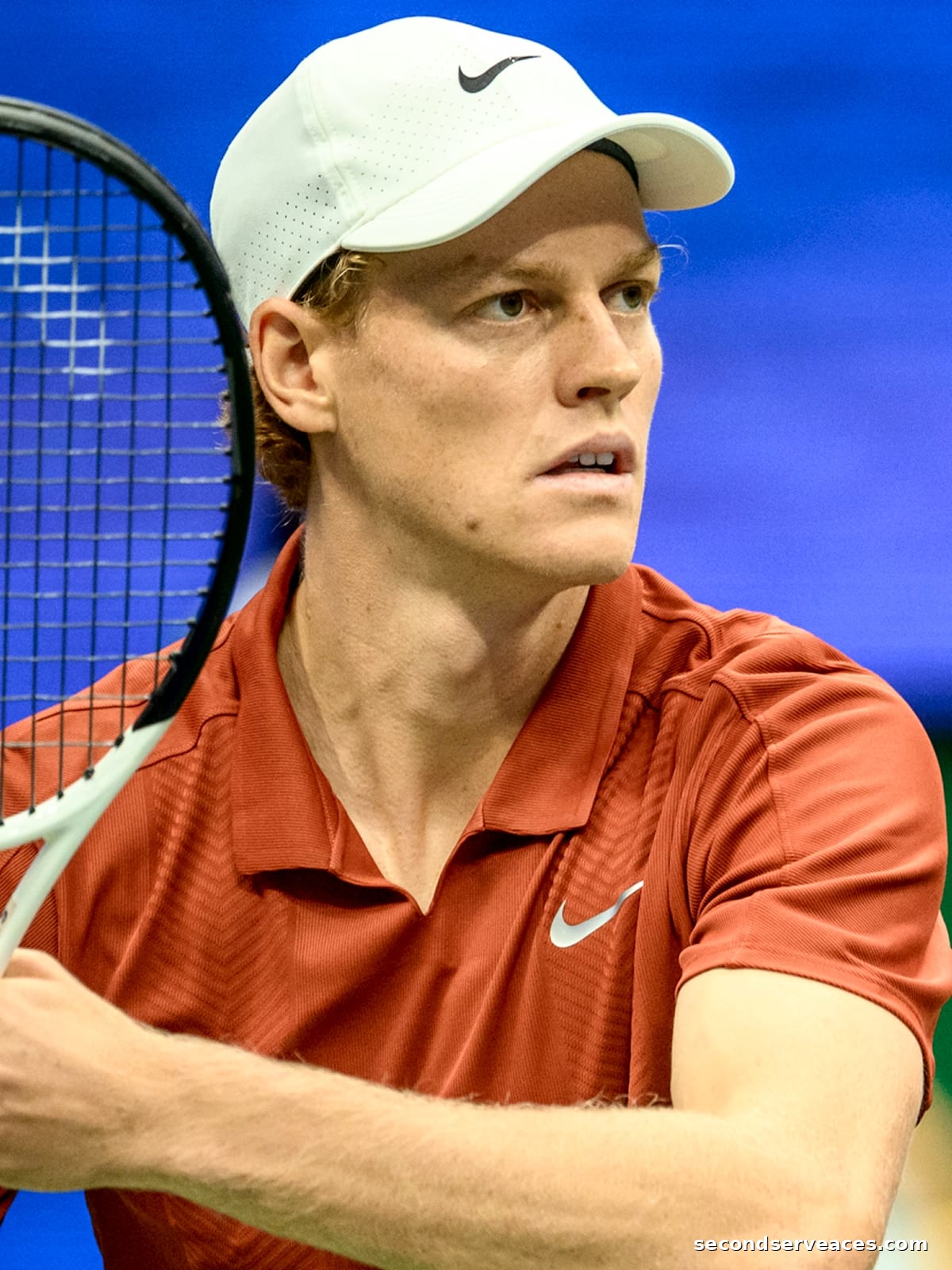
On September 14th, the high-stakes chess match between elite players and Grand Slam organizers shifted from public defiance to private diplomacy. For 18 grueling months, players like ATP Tour leader Jannik Sinner and WTA powerhouse Aryna Sabalenka engaged in a quiet mutiny, limiting press conferences to exactly 15 minutes to protest their share of major tournament revenue. This strict cap was a direct, calculated symbol of the players' demand for a 15% share of Grand Slam revenues.
Listen to the Second Serve Podcast
Get our daily AI-synthesized audio briefings and match reviews on the go.
The leverage point arrived at the 2026 US Open, which boasted a record-breaking $108 million prize pool. While that figure sounds staggering, it represents roughly 18% of the tournament's operating revenue—a ratio players argue undervalues the physical toll of modern baseline warfare. By suspending public media restrictions, the locker room is pivoting toward boardroom negotiations to secure sustainable player welfare guarantees.
A Twelve-Seat Council to Restructure the Grand Slam Balance of Power
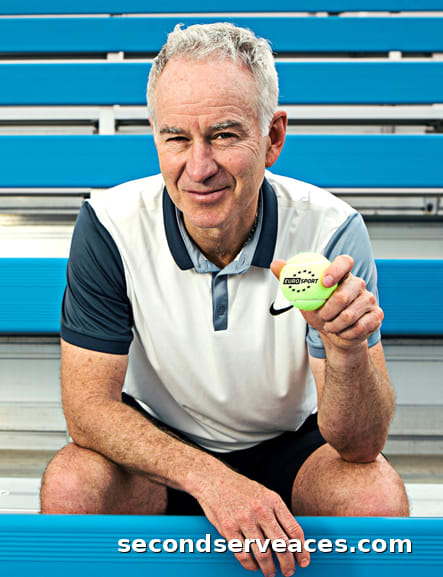
In late September, a new 12-member player advisory council was established to represent collective player interests, split evenly with six men and six women. This unified front bridges the historical divide between the tours, ensuring that top-tier athletes have a direct say in scheduling, recovery protocols, and financial distribution. The move echoes John McEnroe's recent criticisms of the sport's developmental structures, highlighting a systemic need for reform from the ground up.
Rather than exhausting their energy in public media standoffs, the council is focusing on structural adjustments. From optimizing recovery times between best-of-five-set matches to adjusting the distribution of court assignments, the players are treating these negotiations with the same tactical precision they bring to a break point. The focus now turns to how Grand Slam boardrooms will respond to a unified, data-driven player front.
Rivalry Matchup & Player Profiles
| Metric | Jannik Sinner | Aryna Sabalenka |
|---|---|---|
| Rank | No. 1 | No. 2 |
| Age | 25 | 28 |
| Country | Italy | Belarus |
| Height | 1.91 m (6 ft 3 in) | 1.82 m (6 ft 0 in) |
| Handedness | Right-handed | Right-handed |
| Play Style | Aggressive baseliner | Aggressive baseliner |
| Career Titles | 30 ATP Singles Titles | 24 WTA Singles Titles |
As leaders of their respective tours, Jannik Sinner and Aryna Sabalenka represent the pinnacle of modern aggressive baseline play. While they compete on different circuits and have never faced each other in a professional head-to-head match, their parallel roles in this labor dispute underscore a rare moment of structural alignment between the ATP and WTA tours.
Sinner's methodical, court-covering defense and Sabalenka's raw power off both wings have redefined the physical baseline of the sport. Their joint leadership on the newly formed council ensures that both men's and women's fields present a synchronized front when negotiating revenue splits and player health safeguards with tournament directors.
What Jannik Sinner Plays With
Head Speed MP 2024
Head Hawk Touch 1.25
Head Prime Tour (12-Pack)
Nike GP Challenge 1
Analyze Jannik Sinner vs. Aryna Sabalenka
Predict tactical adjustments, momentum swings, and serve strategy options for this match-up using our AI simulator.
The Aces Tactical Panel
This report was curated and edited by Bhaskar Goel. Tactical analysis and technical insights were provided by our specialized panel of expert correspondents.
Julian Price
Senior Tactical Correspondent
Stuffy, pedantic British academic and historian specializing in match momentum and historical context.
Elena Cruz
Director of Analytical Research
Data scientist specializing in court surface physics and movement patterns.
Bhaskar
The Editor & Fan
Passionate tennis player and site editor bringing everyday amateur insights and relatable fan commentary.
Arthur Vance
Senior Existential Analyst
Deep, eccentric, and DFW-inspired. Models court metaphysics, kinetic beauty, and player psychology.
Leo Sterling
High-Performance Consultant
Hard-nosed ex-trainer from Melbourne with a no-nonsense view on tour fitness.
Related Reports
Quick Answers
Why did tennis players limit their press conferences to 15 minutes?+
Players limited press conferences to 15 minutes starting in May 2026 to symbolically represent their demand for a 15% share of Grand Slam revenues.
What was the total prize money pool at the 2026 U.S. Open?+
The 2026 U.S. Open featured a record-breaking $108 million prize pool, which accounted for approximately 18% of the tournament's operating revenue.
How is the newly formed player advisory council structured?+
The player advisory council, announced in late September, consists of twelve members split evenly with six men and six women.