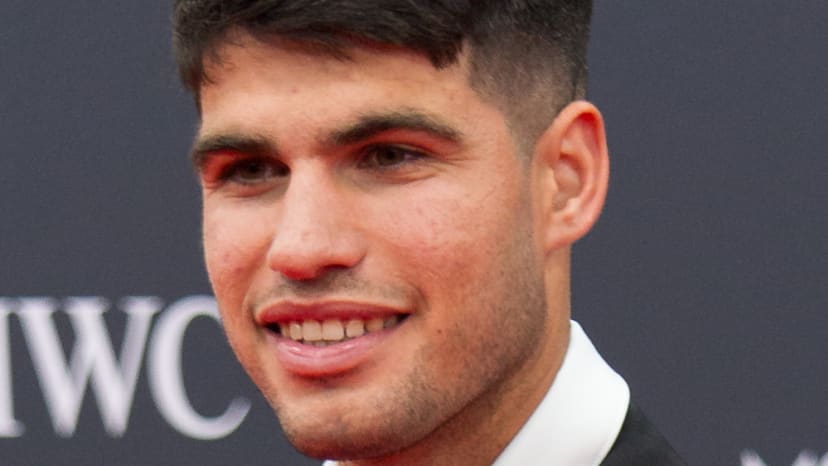
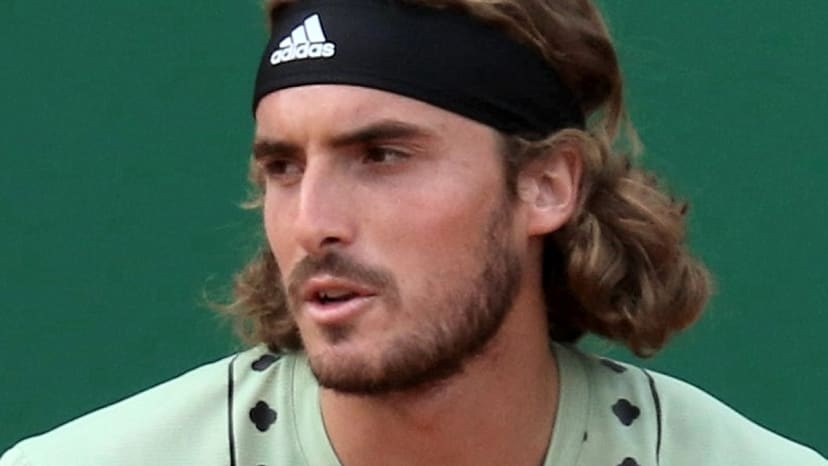
A Career Grand Slam Before the Age of 23
Let’s get one thing straight: what Carlos Alcaraz achieved in January is nothing short of clinical. By securing the 2026 Australian Open title at the ripe age of 22, he didn't just add a trophy to his cabinet; he completed the Career Grand Slam. It’s the kind of ruthless efficiency we haven't seen since the days when the big names were fighting tooth and nail for every single point.
Listen to the Second Serve Podcast
Get our daily AI-synthesized audio briefings and match reviews on the go.
While the rest of the tour is still trying to figure out how to counter his movement, Alcaraz has already moved the goalposts. He’s checked the boxes that usually take a lifetime to mark off. He isn't just playing tennis; he's dismantling the historical narratives we’ve been fed for two decades, forcing us to ask if the current field has the guts to stop him.
Of course, the immediate reality check is the injury sidelining him as of April 18, 2026. A physical setback is the great equalizer, even for a phenomenon. How he recovers will dictate whether he can transition from a champion of the past to the man who owns the current calendar year.
The Nadal Perspective on High-Stakes Probability
Toni Nadal—a man who knows a thing or two about dominating the dirt—has been crunching the numbers, and the forecast is undeniably bold. He isn't just blowing smoke; he’s looking at the vacuum of power left by the aging guard. With Novak Djokovic sitting on a massive, singular haul of 24 Grand Slam titles, the torch isn't just being passed; it’s being snatched.
Toni places the probability of an Alcaraz victory at Roland Garros at 75%. That’s a staggering number for a tournament that usually demands total attrition. When the most tactical mind in the game gives those odds, you don't argue—you pay attention to the match momentum.
For the lawns of Wimbledon and the hard courts of the US Open, Toni remains slightly more conservative at 60% for each. Even so, these percentages highlight a fundamental truth: the field is currently scrambling, and Alcaraz is the only player operating with a clear tactical roadmap.
Analyzing the Vacuum of Competitive Depth
We keep hearing about the 'next generation' of talent, but look at the actual results. The intelligence data suggests that the lack of consistent, top-tier competition is the primary driver behind these projections. It’s all well and good to have a big serve or a booming forehand, but if you can’t force a break point when it actually matters, you’re just another statistic.
Djokovic has set the standard, but the gap in tactical intelligence between him and the rest of the top 10 is widening. Alcaraz isn't just winning matches; he’s exposing the technical deficiencies of his opponents in real-time. If you’re not playing at a level that forces him to adjust, you’re just serving up free points.
If the competition doesn't find a way to make him uncomfortable on the baseline, the 2026 season could turn into a coronation rather than a contest. The pressure is on the younger guys to find a gear they haven't shown yet, because right now, they’re just spectators to a masterclass in modern aggressive play.
The Psychological Toll of the Calendar Hunt
Winning one slam is hard. Winning four in a row—or within a single calendar year—is a psychological grind that breaks even the toughest competitors. Alcaraz has the physical tools, but can he handle the mounting expectation that follows a career slam win? Every time he steps on court now, the target on his back is bright red.
We’ve seen veterans lose their rhythm under the weight of history before. The challenge for him during his recovery is to stay sharp without over-training. It’s about managing the match rhythm, keeping that explosive topspin lethal, and not letting the 'Calendar Slam' talk occupy too much mental real estate.
He’s in a position that most players dream of, but only a few can handle. If he returns to form, we aren't just looking at a successful year; we are looking at the possibility of a shift in the sport that will define the next decade. He’s already in the history books, but now he has to decide if he wants to write the entire chapter himself.
What Carlos Alcaraz Plays With
Babolat Pure Aero 98
Babolat RPM Blast 1.30
Babolat VS Original (12-Pack)
Nike Vapor Pro 2
Analyze Carlos Alcaraz vs. Toni Nadal
Predict tactical adjustments, momentum swings, and serve strategy options for this match-up using our AI simulator.
The Aces Tactical Panel
This report was curated and edited by Bhaskar Goel. Tactical analysis and technical insights were provided by our specialized panel of expert correspondents.
Julian Price
Senior Tactical Correspondent
Stuffy, pedantic British academic and historian specializing in match momentum and historical context.
Elena Cruz
Director of Analytical Research
Data scientist specializing in court surface physics and movement patterns.
Bhaskar
The Editor & Fan
Passionate tennis player and site editor bringing everyday amateur insights and relatable fan commentary.
Arthur Vance
Senior Existential Analyst
Deep, eccentric, and DFW-inspired. Models court metaphysics, kinetic beauty, and player psychology.
Leo Sterling
High-Performance Consultant
Hard-nosed ex-trainer from Melbourne with a no-nonsense view on tour fitness.