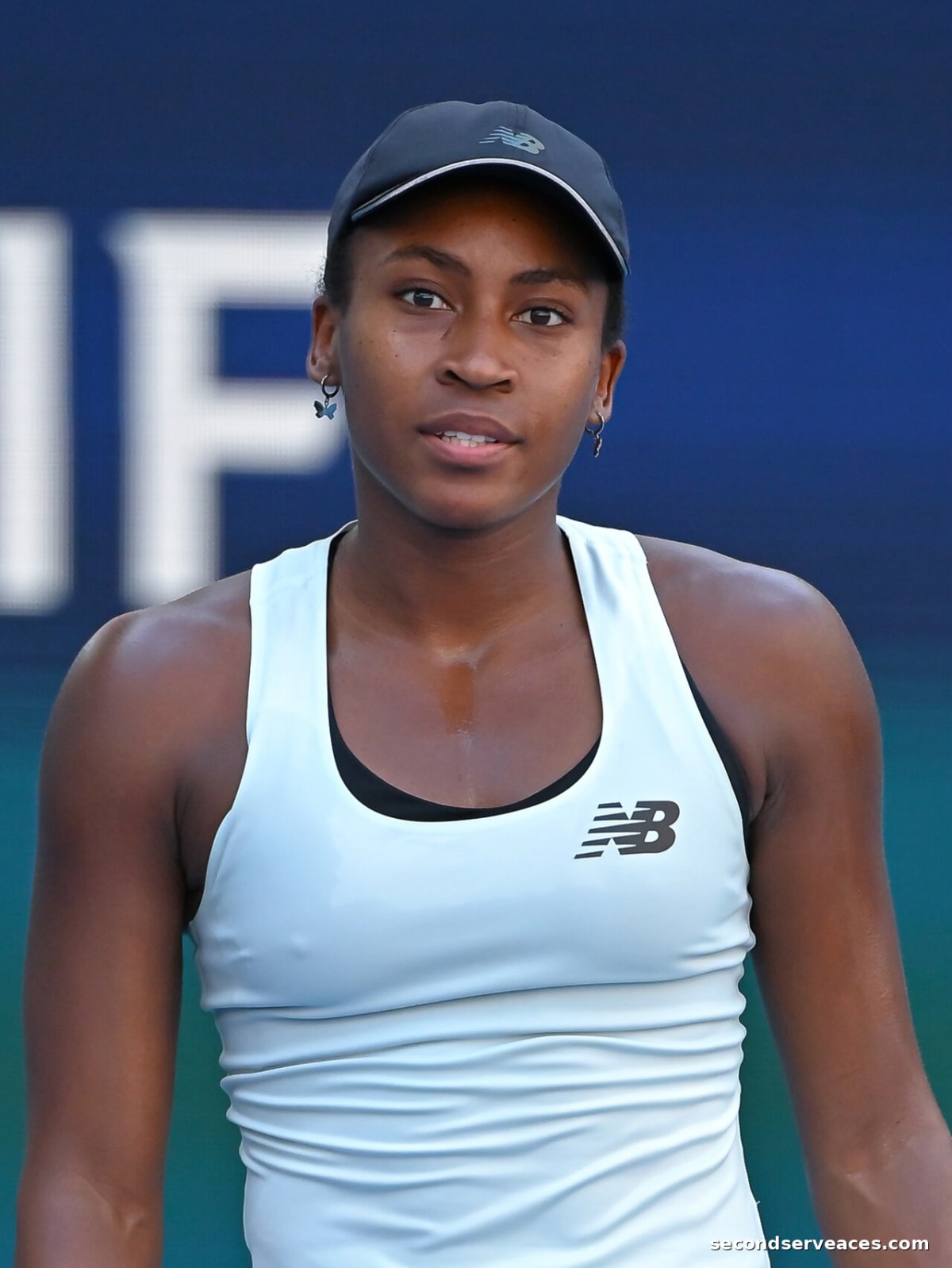
The Shanghai Masters Qualifying Flashpoint at Two-All in the Decider
Left-handed Frenchman Terence Atmane faced Bernard Tomic on the fast hard courts of the Shanghai Masters qualifying draw, looking to snap out of a difficult competitive stretch. At two games all in the deciding set, Atmane missed a routine forehand from the baseline, sending the ball wide of the singles sideline. The unforced error triggered an immediate, visible loss of emotional control that completely altered the trajectory of the match.
Listen to the Second Serve Podcast
Get our daily AI-synthesized audio briefings and match reviews on the go.
Instead of resetting his feet for the next point, Atmane launched his racket directly into the spectator stands, where it struck a fan. Under the strict letter of the ATP rulebook, endangering spectators is a direct path to an immediate default. However, after a lengthy discussion on court, the chair umpire opted to issue a code violation rather than disqualifying the world No. 83, allowing play to continue to the disbelief of those watching.
The escape from a default did little to stabilize Atmane's performance. Visibly rattled and struggling to find his court positioning or baseline timing, he found himself unable to focus on the technical demands of the match. Shortly after the incident, Atmane retired from the contest, leaving the court in a state of physical and emotional exhaustion that has since sparked intense debate across the tour.
Tennis Insiders Demand Accountability Over Safety Violations
The decision to let Atmane escape an immediate default drew swift condemnation from high-profile tennis analysts. Brad Gilbert, renowned for his emphasis on mental discipline and tactical focus, publicly voiced his disbelief that Atmane was permitted to continue playing. Gilbert argued that throwing equipment into the stands must result in an automatic disqualification to guarantee spectator safety, regardless of a player's intent.
Former world No. 1 doubles player Rennae Stubbs echoed these sentiments, pointing out that player frustration can never compromise the safety of the fans in attendance. Stubbs stressed that the physical boundaries of the court must remain absolute, and allowing a player to escape a default after launching a racket into the crowd sets a dangerous precedent for future tournaments. Both commentators emphasized that the ATP Tour must enforce its safety rules with absolute consistency.
This incident highlights a growing concern on the professional circuit regarding umpire leniency in high-stakes moments. While players face immense pressure to defend ranking points, the line between raw passion and physical endangerment must be strictly policed. The officiating in Shanghai has renewed calls for a standardized, zero-tolerance policy for any actions that put fans or court staff at risk.
The Mental Toll of a Rapid Ranking Decline to World Number Eighty-Three
According to the official ATP rankings, Atmane has struggled to maintain his momentum on the main tour, slipping to world No. 83. The pressure of maintaining a top-100 ranking to secure direct entry into Grand Slam main draws is immense, often leading to acute court-side stress. For young players navigating their first full seasons on the main tour, this pressure can quickly become overwhelming.
In a candid statement posted on Instagram following the match, Atmane apologized to the fans, tournament organizers, and his opponent. He cited the intense anxiety stemming from his recent competitive struggles and ranking decline as the primary cause of his emotional breakdown. The Frenchman admitted that the pressure of defending points had severely compromised his mental well-being on court.
As a direct result of this incident, Atmane announced that he is taking a step back from professional competition to focus on his mental health. The decision to prioritize psychological recovery over immediate ranking points highlights the intense nature of the weekly professional tour. As Atmane steps away to recalibrate, the tennis community is left to contemplate the support systems available to players facing similar struggles.
Rivalry Matchup & Player Profiles
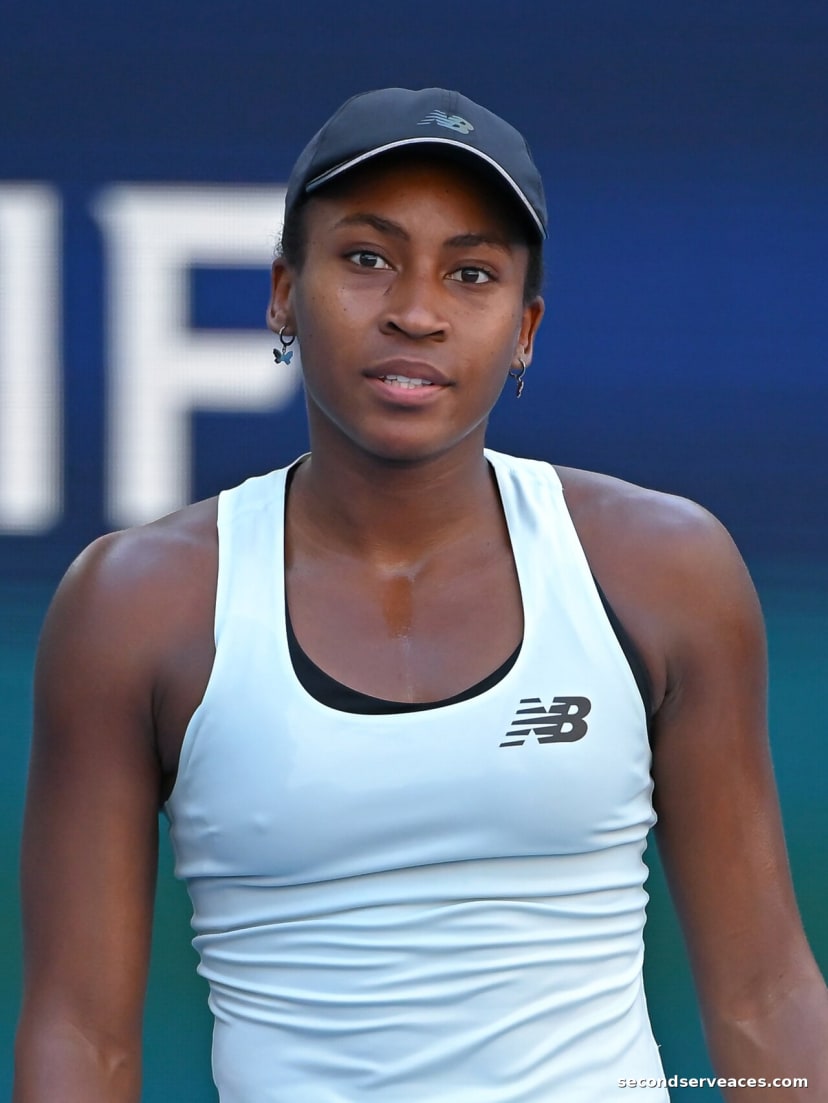
While Atmane navigates this difficult career phase on the men's tour, American star Coco Gauff continues to showcase elite movement and mental resilience on the women's side. Although they compete on separate circuits, comparing their career trajectories offers a study in contrasting styles and early-career pressures. Gauff recently made headlines herself, as discussed in our report on her recent competitive decisions.
| Metric | Coco Gauff | Terence Atmane |
|---|---|---|
| Rank | No. 4 | No. 83 |
| Age | 22 | 24 |
| Country | United States | France |
| Height | 1.75 m (5'9") | 1.93 m (6'4") |
| Handedness | Right-handed | Left-handed |
| Play Style | Aggressive baseliner with elite defensive movement | High-risk, aggressive baseliner |
| Career Titles | 12 WTA Singles Titles | 0 ATP Singles Titles |
Atmane, a 1.93-meter left-handed aggressive baseliner, relies on high-risk shot-making and a powerful serve to dictate play. In contrast, Gauff, the world No. 4, utilizes her world-class defensive movement and tactical flexibility to neutralize opponents from the baseline. Because they play on separate tours, they have never faced each other, but their contrasting approaches to handling professional pressure remain highly relevant.
The structural differences between the ATP and WTA tours mean their paths will never cross on court, but the psychological demands of professional tennis remain identical. Gauff's 12 career titles at age 22 demonstrate a level of mental fortitude that Atmane is still striving to build. As Atmane steps away from the tour to recalibrate his mental game, his situation serves as a stark reminder that technical excellence must be supported by emotional resilience.
What Coco Gauff Plays With
Head Boom MP 2024
Head Lynx Tour 1.25
Head Prime Tour (12-Pack)
Analyze Coco Gauff vs. Terence Atmane
Predict tactical adjustments, momentum swings, and serve strategy options for this match-up using our AI simulator.
The Aces Tactical Panel
This report was curated and edited by Bhaskar Goel. Tactical analysis and technical insights were provided by our specialized panel of expert correspondents.
Julian Price
Senior Tactical Correspondent
Stuffy, pedantic British academic and historian specializing in match momentum and historical context.
Elena Cruz
Director of Analytical Research
Data scientist specializing in court surface physics and movement patterns.
Bhaskar
The Editor & Fan
Passionate tennis player and site editor bringing everyday amateur insights and relatable fan commentary.
Arthur Vance
Senior Existential Analyst
Deep, eccentric, and DFW-inspired. Models court metaphysics, kinetic beauty, and player psychology.
Leo Sterling
High-Performance Consultant
Hard-nosed ex-trainer from Melbourne with a no-nonsense view on tour fitness.
Related Reports
Quick Answers
What caused Terence Atmane's racket throw during the Shanghai Masters qualifying match?+
Atmane threw his racket into the spectator stands out of frustration after committing an unforced forehand error at 2-2 in the deciding set against Bernard Tomic.
Did Terence Atmane receive a default for throwing his racket into the crowd?+
No, Atmane avoided an immediate default, receiving only a code violation from the chair umpire before eventually retiring from the match.
Why did Terence Atmane announce a hiatus from professional tennis?+
Following the match, Atmane posted an apology on Instagram, citing severe anxiety and stress from his recent ranking decline to world No. 83 as the reasons for taking a step back from competition.