UAE Tournament Faces Backlash Amidst Iranian Attacks
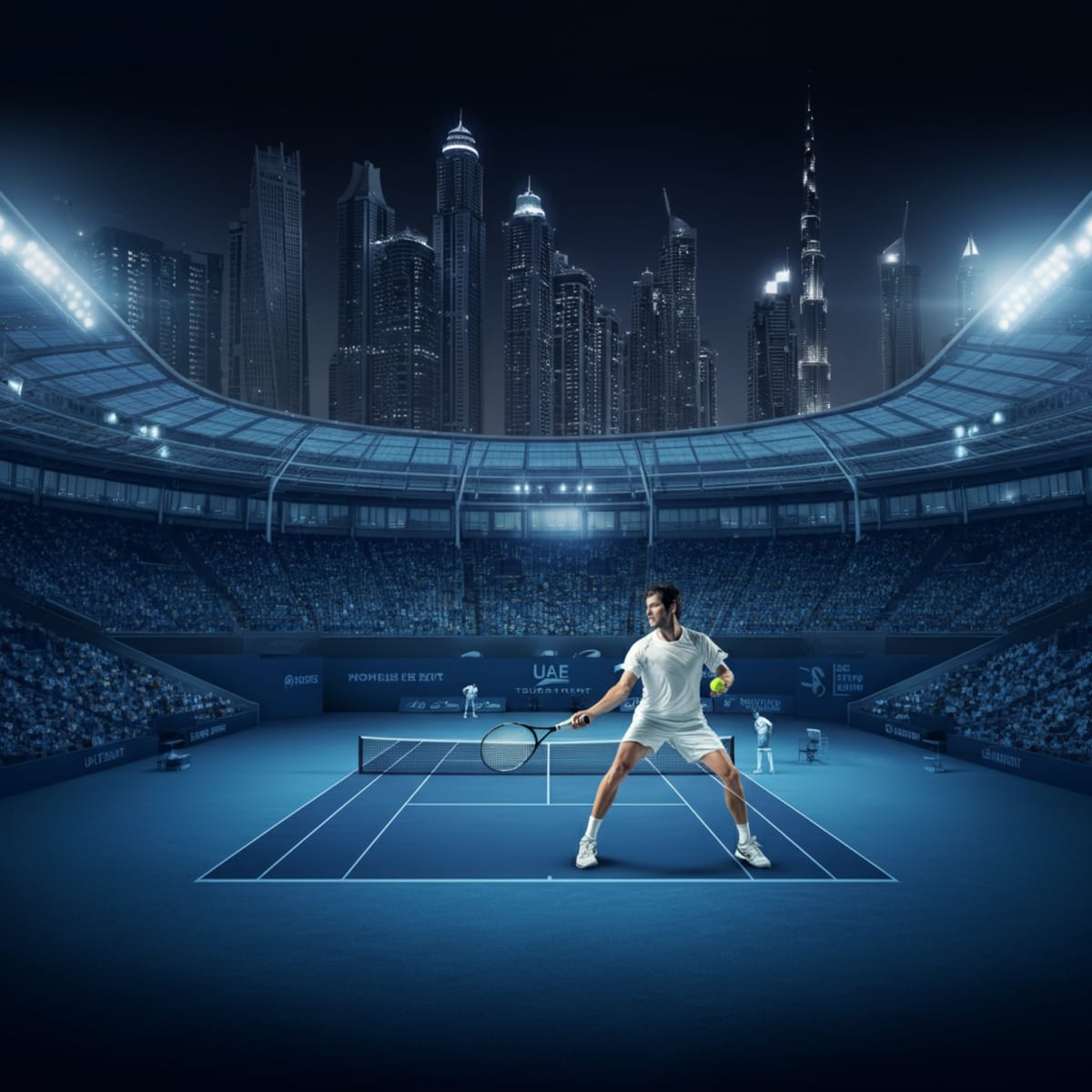
The decision to proceed with the UAE Tournament is under fire, with players expressing serious concerns over safety amidst reported Iranian attacks in the region. Details are still emerging, but the situation has reportedly left at least one player stranded, adding another layer of complexity to an already tense situation. The atmosphere is thick with unease, a far cry from the usual focus on match momentum and break point opportunities that defines our sport.
Listen to the Second Serve Podcast
Get our daily AI-synthesized audio briefings and match reviews on the go.
Controversy Erupts Over Safety Concerns
The tournament, intended to showcase high-level tennis, has been overshadowed by geopolitical realities. Here’s a breakdown of the situation:
- Players have voiced their disapproval of holding the tournament during a period of heightened regional instability.
- The decision to proceed was made despite ongoing Iranian attacks.
- One player is reportedly stuck in the UAE, highlighting the logistical and safety challenges.
The question now is whether the tournament can continue without compromising the well-being of those involved. The potential impact on player performance, with the added stress and uncertainty, is a significant factor. We’re a long way from the pristine bounce of a perfectly manicured grass court; this is about something far more fundamental.
The Tactical Breakdown
While direct tactical implications of the security situation are, of course, secondary to the immediate safety concerns, one cannot ignore the mental toll this takes on a player's game. Focus, court awareness, and the ability to execute under pressure are all crucial elements in high-stakes tennis. The added layer of anxiety related to external threats can disrupt a player's rhythm, leading to tentative movement, poor decision-making, and a significant decline in overall performance. Think about it—it’s hard to dial in your topspin forehand when you’re worrying about geopolitical flashpoints.
Even without knowing specifics of how the tournament's matches played out, the mental aspect here is key. Historically, players who excel in adverse conditions are those with exceptional mental fortitude – those who can compartmentalize external stressors and remain laser-focused on the task at hand. It becomes a battle not just against the opponent, but against one's own fears and anxieties. The geometry of the court shrinks when your mind is elsewhere.
The Bigger Picture
This situation underscores the complex relationship between sports and geopolitics. Holding a tournament in a region facing security threats raises ethical questions about prioritizing revenue over player safety. It also brings into sharp focus the responsibilities of governing bodies like the ATP and WTA to ensure the well-being of their members. This isn’t just about scheduling; it's about duty of care.
The long-term impact on the tournament's reputation and future player participation remains to be seen. This event will undoubtedly serve as a case study for risk assessment and crisis management in the world of professional tennis. Are these tournaments more like Wimbledon… or more like a risk assessment failure?
Possible Scenarios
- Players may be more hesitant to participate in future tournaments held in politically unstable regions.
- Sponsors might re-evaluate their investment strategies, considering the potential for negative publicity.
- The ATP and WTA may face increased pressure to implement stricter safety protocols and contingency plans.
Run Match-Point Simulations
Simulate high-pressure scenarios, score leverage points, and tactical responses for ATP and WTA players.
The Aces Tactical Panel
This report was curated and edited by Bhaskar Goel. Tactical analysis and technical insights were provided by our specialized panel of expert correspondents.
Julian Price
Senior Tactical Correspondent
Stuffy, pedantic British academic and historian specializing in match momentum and historical context.
Elena Cruz
Director of Analytical Research
Data scientist specializing in court surface physics and movement patterns.
Bhaskar
The Editor & Fan
Passionate tennis player and site editor bringing everyday amateur insights and relatable fan commentary.
Arthur Vance
Senior Existential Analyst
Deep, eccentric, and DFW-inspired. Models court metaphysics, kinetic beauty, and player psychology.
Leo Sterling
High-Performance Consultant
Hard-nosed ex-trainer from Melbourne with a no-nonsense view on tour fitness.